
Last updated November 15, 2026
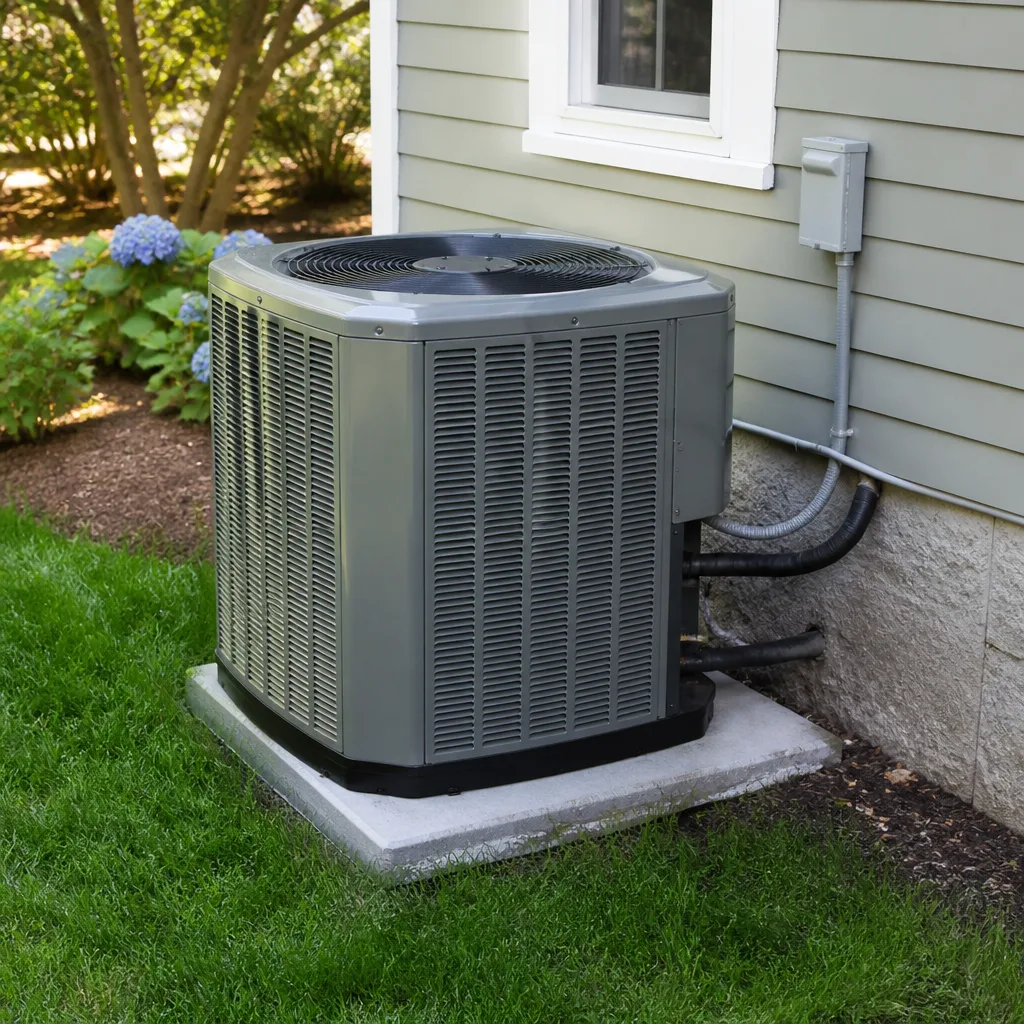 AC repair
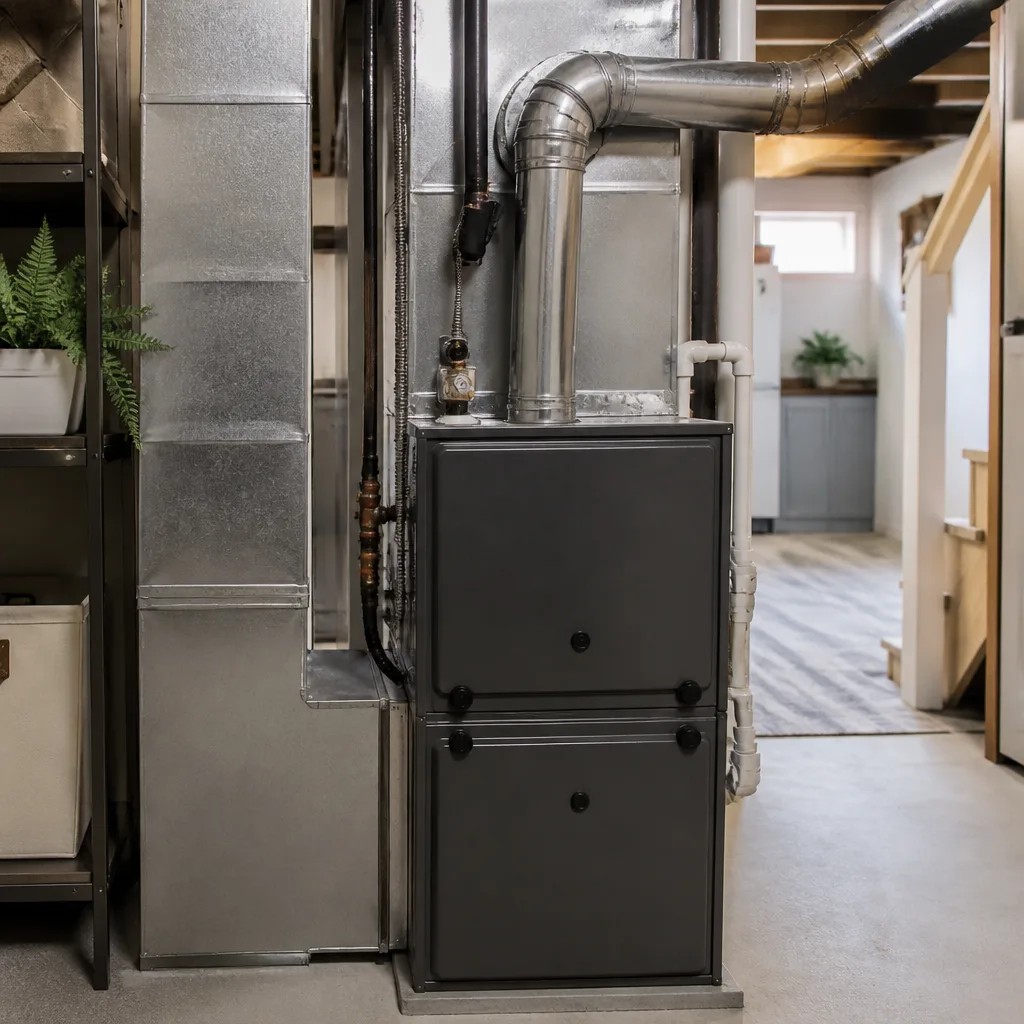 Furnace & heating
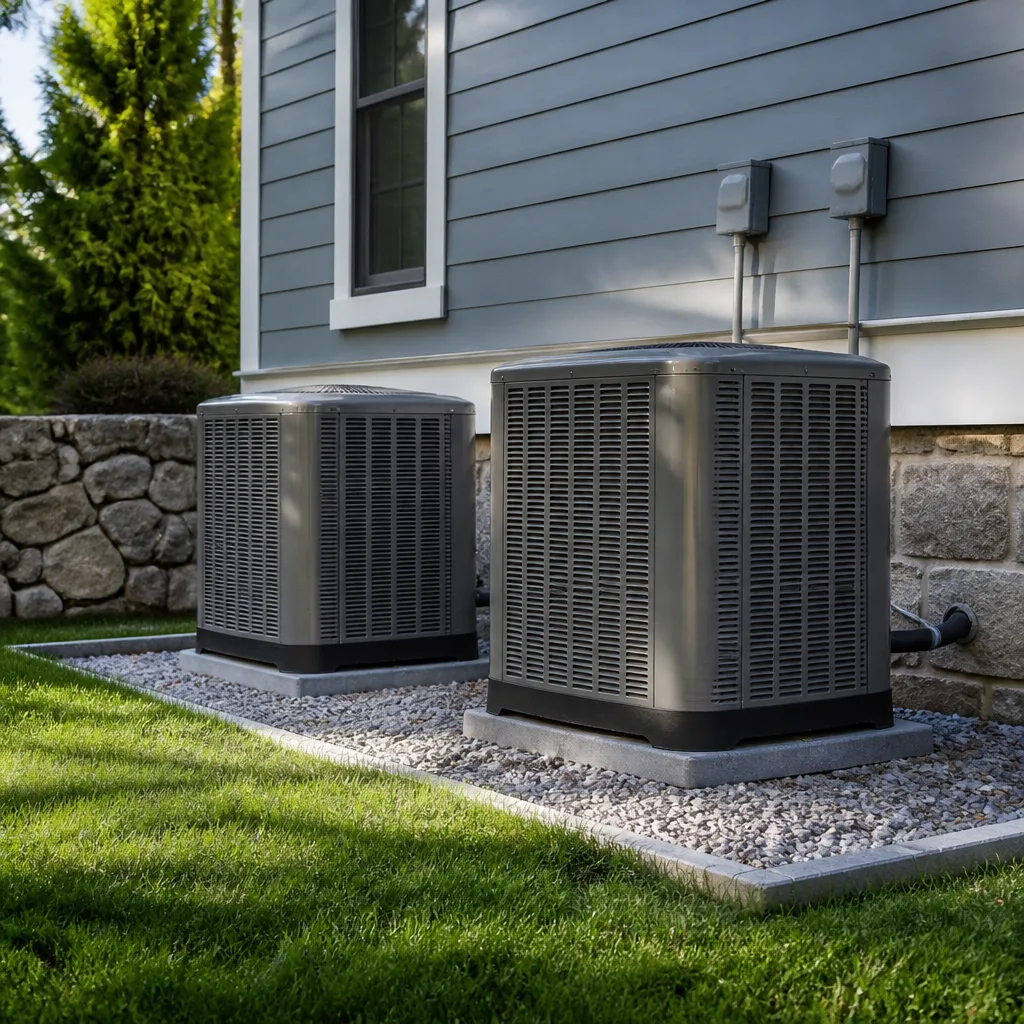 Heat pumps
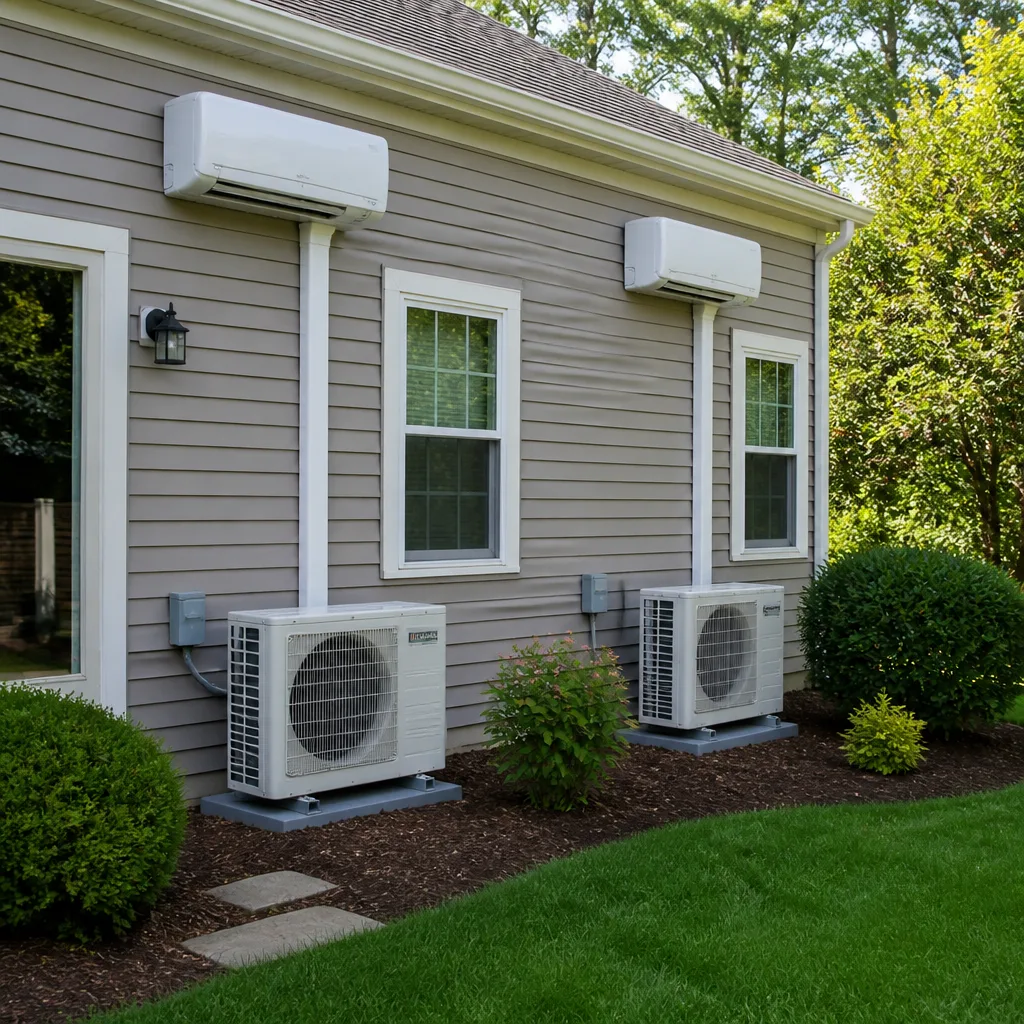 Ductless mini splits
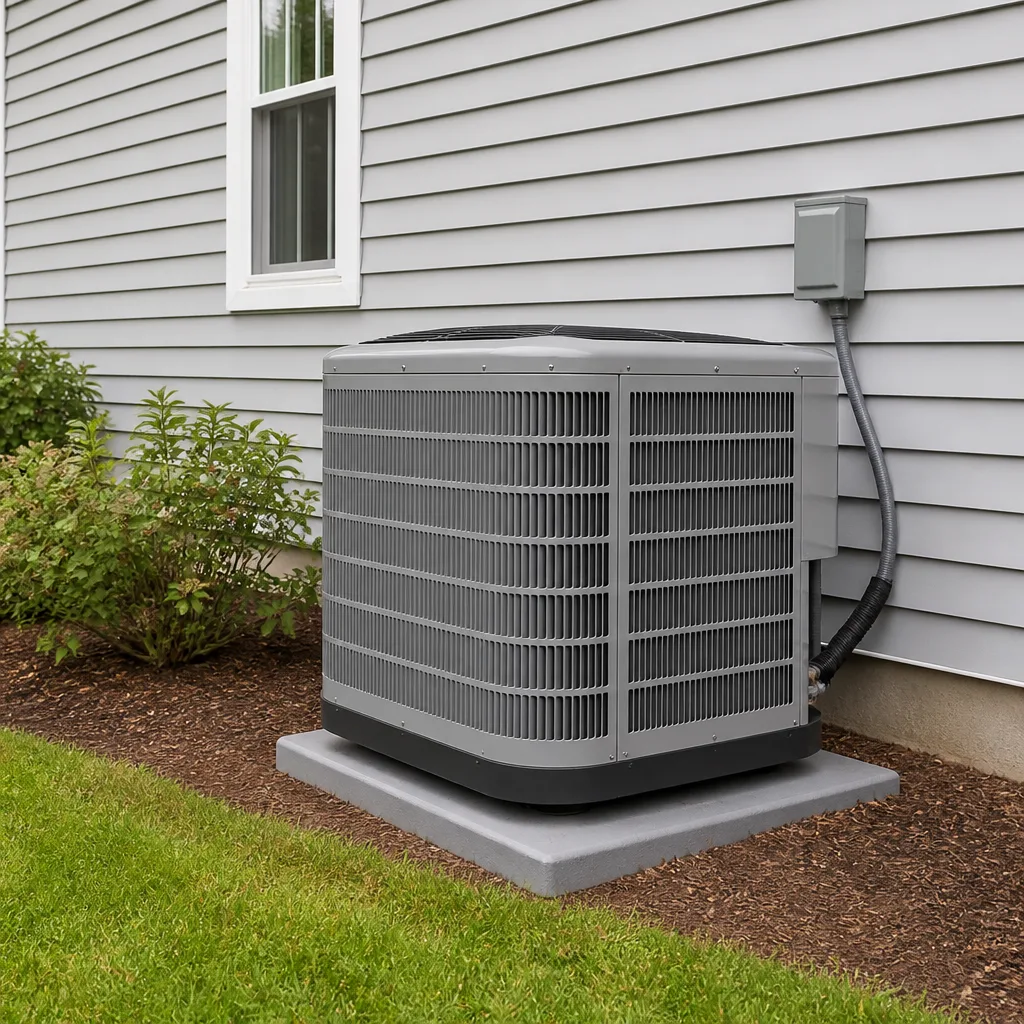 Carrier
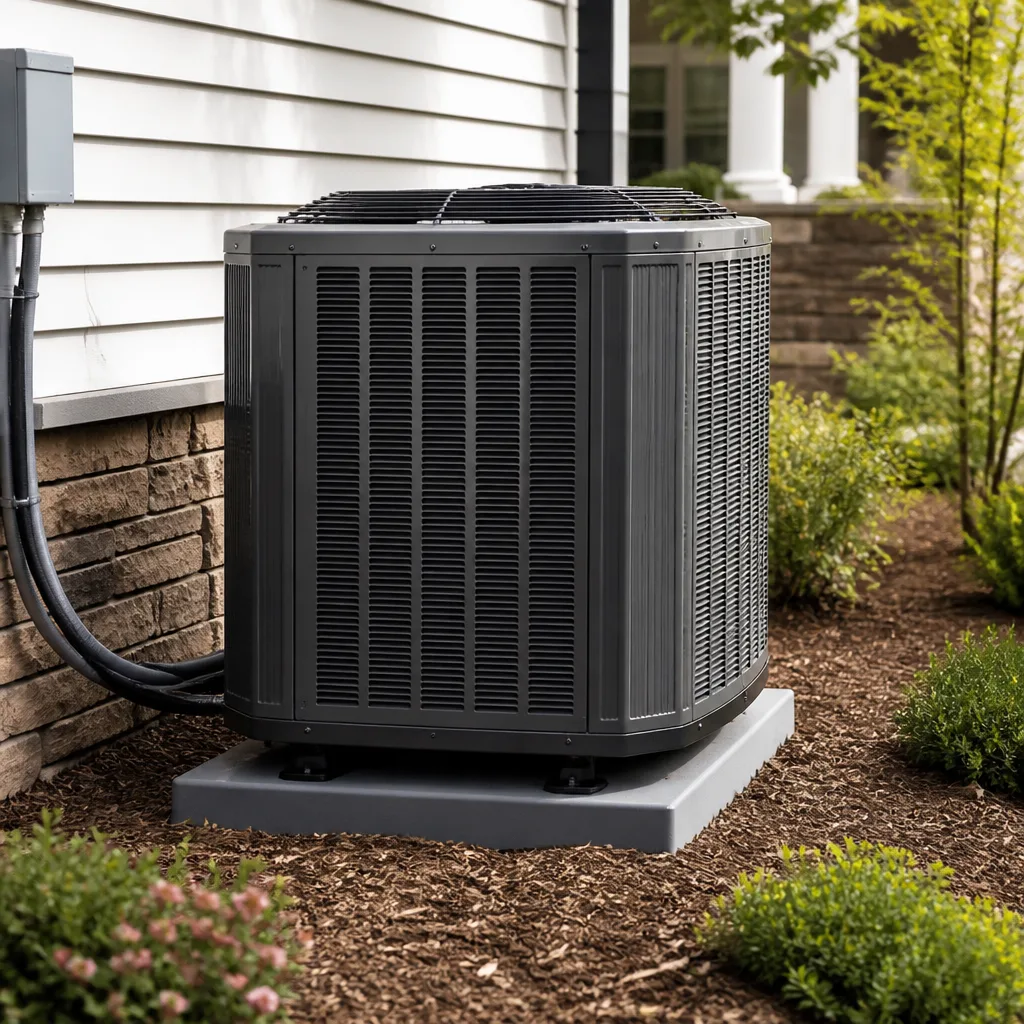 Trane
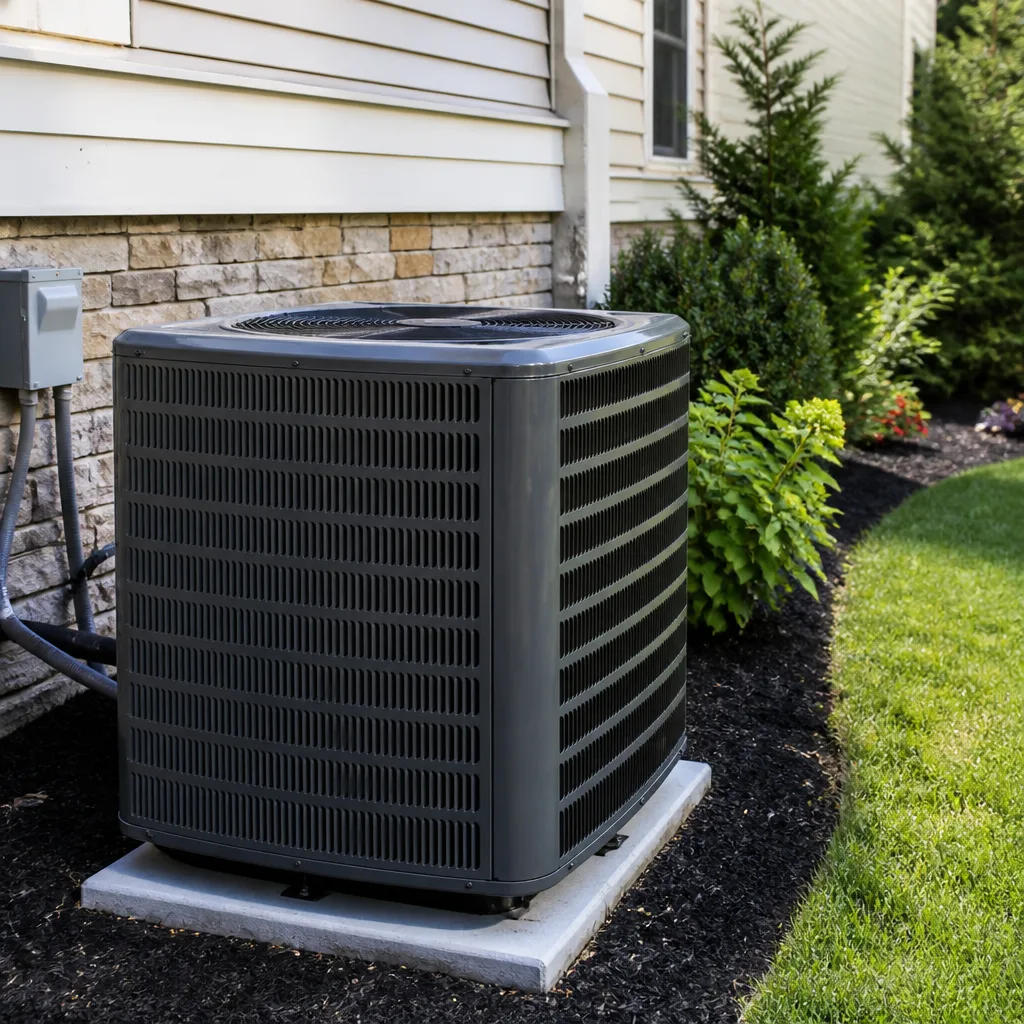 Goodman
Seasonal tune-up and full diagnostic on your Carrier, Trane, or Goodman system - readings shown to you before any repair is proposed
Diagnosis first, numbers second - you approve the repair price before a single part goes in.
Get your free estimateHow to Hire an HVAC Contractor in Pompano Beach: A Step-by-Step Guide
Most homeowners start the search for an HVAC contractor with the quote. That’s the mistake. Florida requires HVAC contractors to hold a state-issued mechanical or certified contractor license, and Broward County permit records flag unlicensed HVAC work every month. A price that looks low at the kitchen table can become a liability the day you sell the house, because the work was never permitted or inspected. What you’re doing when you hire is a vetting process, not a price comparison. This guide gives you the order of operations: check credentials first, understand the permit, then read the quote. Pompano Beach homeowners who do it in that sequence rarely get burned.
Quick Answer
To hire an HVAC contractor in Pompano Beach, verify the contractor’s state license on the Florida DBPR lookup before you discuss price, confirm who pulls the permit for the work, and compare quotes only when they include a load calculation, a duct inspection and the exact equipment model number. A contractor who resists any of those steps is telling you something. Call (844) 952-3433 for a free estimate and a written fixed price.
Styles & brands we work with
- AC repair
- Furnace & heating
- Heat pumps
- Ductless mini splits
- Carrier
- Trane
- Goodman
Table of Contents
- Step 1: Verify the Florida License Before Anything Else
- Step 2: Understand the Permit and Who Pulls It
- Step 3: Spot the South Florida Red Flags
- Step 4: Read the Quote’s Scope, Not Its Total
- Step 5: Ask How the Load Was Calculated
- Step 6: Pin Down the Warranty in Writing
- Step 7: The Questions That Separate Contractors
- Common Mistakes to Avoid
Step 1: Verify the Florida License Before Anything Else
Ask for the license number before you let anyone into the attic. Florida’s Department of Business and Professional Regulation (DBPR) runs a public license lookup, and it takes under two minutes per contractor. You want the license type, the status and any complaint history that shows up.
Here’s the sequence:
- Ask the contractor for their state license number in writing (text or email is fine).
- Open the DBPR license lookup and enter the number.
- Confirm the status reads “Current” or “Active,” not “Delinquent,” “Suspended” or “Null and Void.”
- Check the license type. In Florida, the relevant classes are Certified (statewide) and Registered (county-scoped).
- Look for a qualified business entity tied to the name on your quote.
What a valid license covers: the holder may contract for HVAC work and pull permits in the scope their license allows. What it doesn’t cover: a license alone doesn’t guarantee insurance is current, and it doesn’t guarantee the crew on your job is competent or background-checked. A license is the floor, not the ceiling. A contractor who can’t produce the number within a few minutes of being asked is a pass, no matter how good the bid looks.
Step 2: Understand the Permit and Who Pulls It
Most cities require a permit for HVAC replacements and for major repairs, and Pompano Beach is no exception. The question isn’t whether a permit exists; the question is who pulls it. The answer needs to be the licensed contractor, not you.
When a contractor skips the permit to keep the price down, the legal exposure moves to you. Unpermitted work can surface at inspection during a home sale, and at that point the fix is often your problem, not the contractor’s, because the paper trail doesn’t exist on their side either. Ask three things about the permit up front:
- Will a permit be pulled for this job? If the answer is “no, not on this one,” ask why in writing.
- Whose name is on the permit? It should be the licensed contractor’s business entity.
- Will the final inspection be included in the price? A contractor who pulls the permit but leaves you to handle the inspection is doing half the job.
If you’re replacing a system, that permit also protects the warranty. Manufacturers can and do question claims when the underlying install wasn’t permitted and inspected. For more on what a compliant install looks like, see our AC installation page.
Step 3: Spot the South Florida Red Flags
Peak cooling season in Pompano Beach brings out contractors who aren’t from here and don’t plan to be here for long. Storm-chaser contractors are the obvious version: a crew shows up after a heat wave, the number works for two weeks, and the warranty is worth nothing because the business is gone. But three specific patterns show up more often:
- Out-of-state crews during peak season. Ask where the business license is registered and whether the crew doing the work is local. A subcontractor who leaves in October may be fine, but you want to know in advance.
- Bait-and-switch equipment swaps. The quote names a Goodman or a Rheem condenser; the truck delivers something else on install day. Check model numbers at delivery before signing acceptance.
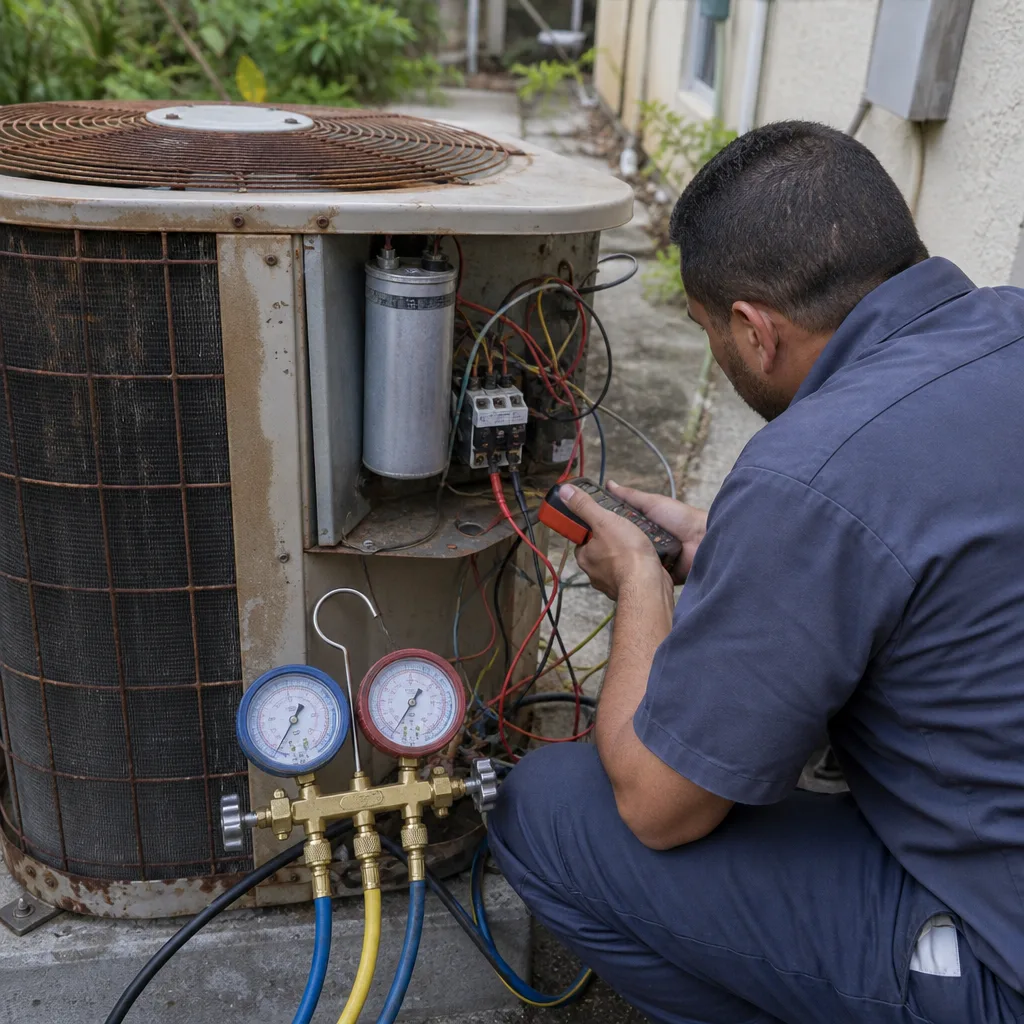
- The “your system is unsafe” pitch with no readings. A technician who tells you the refrigerant is low should be able to show you the gauge readings. Otherwise it’s a sales script.
There’s a second layer that’s specific to homes with mixed-age equipment. Pompano Beach has a lot of mid-2000s installations still running, often a York or Daikin outdoor unit paired with an older air handler. A contractor who knows what they’re looking at can tell you whether that pairing is worth repairing. A contractor who only sells one brand will tell you to replace the lot. Our Valor AC Repair technicians work on nine major brands, which means the recommendation tracks the equipment, not a quota.
Step 4: Read the Quote’s Scope, Not Its Total
The total is the least useful number on an HVAC quote. What matters is what’s behind it. Two bids that differ by a few hundred dollars often differ by thousands in scope, and the money you save up front gets eaten in year two.
Here’s what a complete quote should include:
- Equipment model numbers for the condenser, air handler and coil, with full manufacturer names (not just “brand”).
- SEER rating for the specific model quoted, not the brand’s best-in-class number.
- A load calculation statement or a line explaining how the system size was determined.
- Duct inspection as a line item. “Ducts look fine” is not an inspection.
- Line set and drain line work spelled out separately.
- Permit and inspection costs included, not added later.
- Warranty terms in years and in writing, both manufacturer and labor.
- Fixed price with an expiration date and a change-order process.
A quote with three lines and a total isn’t a quote, it’s a pitch. For a comparison of what replacement looks like in practice, read through the Pompano Beach service information before you sign anything.
Step 5: Ask How the Load Was Calculated
Oversizing is the most common install mistake we see on the repair side. A system sized “by rule of thumb” (say, one ton per 500 square feet) will cool the house but won’t run long enough to remove humidity, and in Pompano Beach humidity is half the battle. The right size gets calculated.
Ask the question directly: “How did you arrive at this tonnage?” A good answer references a Manual J load calculation or an equivalent software tool that looks at square footage, window area and glazing, insulation levels, ceiling height, orientation and the local design temperature. A bad answer references a rule of thumb, or your neighbor’s system.
Follow up with two more:
- Did you measure the existing duct system? Duct size matters for airflow, and undersized ducts on a bigger system move the problem, not the solution.
- What happens if the new unit doesn’t match the calculated load? If there’s no answer, there’s no calculation.
On the repair side, load calculation is less relevant, but airflow and refrigerant charge diagnostics are. If a system is struggling every summer, the cause is often a sizing or airflow issue, not a failing compressor. Our AC repair technicians test refrigerant pressures and static pressure before recommending anything.
Step 6: Pin Down the Warranty in Writing
Two warranties cover a new system, and homeowners often learn the difference only when something goes wrong. The manufacturer warranty covers parts and, on many brands, the compressor under specific registration requirements. The contractor labor warranty covers the technician’s time for diagnosis, repair and replacement labor on a covered part.
Ask these questions before signing:
- How many years does the manufacturer’s parts warranty run, and is it registered by the contractor at completion? An unregistered warranty is a dead warranty.
- How many years of labor warranty does the contractor include, and is it written into the contract?
- If a covered part fails, who pays the labor to install the replacement?
- What happens if the contractor is no longer in business when the part fails? The manufacturer still honors the parts warranty, but labor is on you.
The “both parties point at each other” scenario is real, and the only way through it is paperwork. Get the labor warranty in the contract, not in a verbal promise. If the contractor won’t put the labor terms in writing, you’ve learned what you needed to know before the install.
Step 7: The Questions That Separate Contractors
Once you’ve checked the license and reviewed the quote, a short list of questions will sort the remaining candidates quickly. These work for repair visits and for installs, and they’re specific enough that a sales script fails them.
- “What brands are your technicians certified to service?” A good answer names the brands you own or a broad set (Carrier, Trane, Lennox, Goodman, Rheem, York, Daikin, Bryant, American Standard are the ones we cover). A bad answer names one brand and calls everything else “compatible.”
- “Do you do furnace service as well as AC?” Heating still happens in South Florida, just less often. A company that only handles cooling will send you elsewhere when heat is needed, mid-winter, on the coldest night of the year.
- “What happens if a part isn’t in stock?” You want a real answer about lead time, not “it’s usually fine.”
- “Who do I call if the system fails a week after install?” The answer should be the same phone number you called the first time.
- “Will you walk me through what’s actually wrong, with readings?” A technician comfortable showing you the numbers is a technician who trusts the diagnosis. We build that into every visit.
If you’re ready to skip the phone tag and just get an honest read on your system, call (844) 952-3433. We answer 24/7. Fast dispatch from 7am to 7pm, Sunday through Friday.
Common Mistakes to Avoid
- Starting with the price. A quote is only useful once you know the contractor is licensed and will pull the permit. Pricing a job before the license check is measuring a house with no foundation.
- Assuming a big brand name means a good contractor. Franchise or national name is not a credential. The license number and permit history are.
- Skipping the load calculation conversation. Systems sized by square footage alone often underperform in Pompano Beach’s humidity. Ask how the size was determined and listen for Manual J.
- Not checking the model number at delivery. Equipment swaps are real, and the model on the quote isn’t always the model on the truck. Check before signing acceptance.
- Taking warranty terms verbally. Labor warranty, in particular, needs to be in writing. If it’s not in the contract, it’s not covered.
- Not asking about permits for repairs. Homeowners know to ask about permits for a new install. Major repairs often need them too, and the same liability transfer applies.
- Calling a storm-chaser because they showed up first. Speed of arrival is not a credential. A contractor who shows up at the door uninvited and offers a deal is almost never the one you want.
See the difference
 Before
 After
 Before
 After
 Before
 After
When to Call a Professional
Some HVAC work is not a homeowner job. If the system is blowing warm air in the middle of summer, if the breaker trips every time the condenser starts, if there’s ice on the indoor coil, or if you can hear the compressor short-cycling, call a professional. Refrigerant handling requires certification, and electrical work inside the air handler and at the disconnect is dangerous. A system that’s over ten years old and needs both refrigerant and a compressor is often a replace decision, but that conversation should happen with a technician who can show you the readings. Valor AC Repair offers free estimates in Pompano Beach. Call (844) 952-3433. We answer 24/7. Fast dispatch from 7am to 7pm, Sunday through Friday.
Frequently Asked Questions
Enter the contractor’s license number into the Florida DBPR public lookup and confirm the status is current and the license type covers mechanical or HVAC work. The check takes under two minutes. A contractor who can’t produce a license number on request is not qualified to bid on your system. Call (844) 952-3433 for a free estimate once you’ve done the check.
Most cities require a permit for HVAC replacement and for substantial repairs, so ask your contractor and your city’s building department directly for the specific job. The key point is that the licensed contractor should pull the permit, not you. A contractor who skips the permit transfers the legal liability to the homeowner. Call (844) 952-3433 to talk through your project.
The manufacturer warranty covers the parts (and often the compressor, if registered), while the labor warranty covers the technician’s time to diagnose and replace a covered part. Ask for both in writing, and confirm who registers the manufacturer warranty. If a covered part fails and the contractor is out of business, you keep the parts coverage but pay for labor. Call (844) 952-3433 for a quote that spells both out.
Yes, and it’s generally the better arrangement, because the contractor who repairs your existing system is the one who knows its history when it’s time to replace. A company that only installs has no incentive to keep your current unit running. One that does both can tell you honestly when repair still makes sense. Call (844) 952-3433 and we’ll tell you which one fits your system.
A typical residential replacement is a scheduled, full-day job, sometimes two if duct work or line set work is part of the scope. It is not same-day work, because the system has to be sized, ordered and permitted first. Expect a written fixed price and a set install date. Call (844) 952-3433 to get the process started.
You want a contractor certified to service the brand you own, and ideally several of the major brands so the recommendation tracks the equipment rather than a single product line. The largest set of common brands includes Carrier, Trane, Lennox, Goodman, Rheem, York, Daikin, Bryant and American Standard. Ask specifically before booking. Call (844) 952-3433 and we’ll confirm your system is covered.
The Bottom Line
Hiring an HVAC contractor in Pompano Beach is a short, structured process: verify the Florida license on DBPR, confirm who pulls the permit, watch for South Florida red flags, read the quote’s scope instead of its total, ask about the load calculation, and get warranty terms in writing. Do those six steps and the price comparison at the end becomes useful instead of misleading. If you’d like a straight read on your system with no pressure and no upsell, we can help. Call (844) 952-3433 for a free estimate. We answer 24/7. Fast dispatch from 7am to 7pm, Sunday through Friday.
Written by the team at Valor AC Repair.