
Last updated November 15, 2026
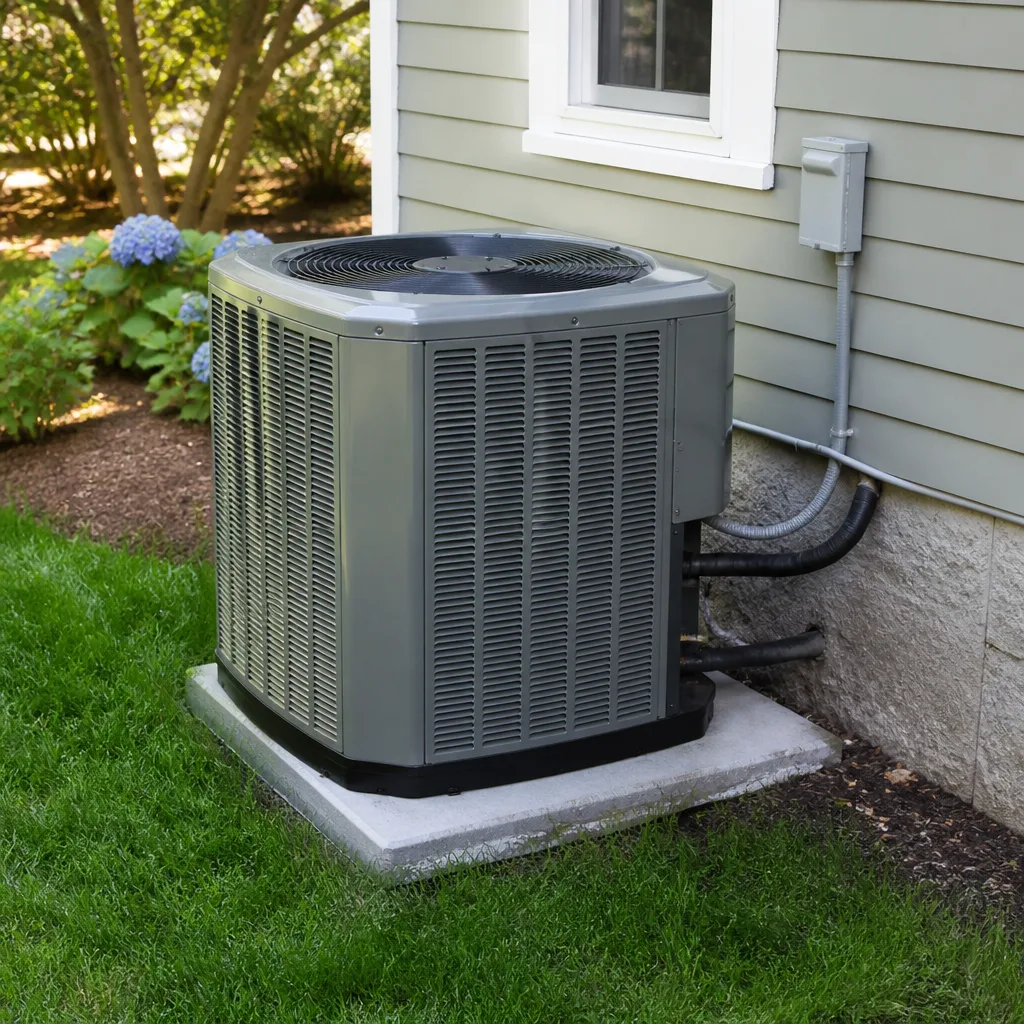 AC repair
 Furnace & heating
 Heat pumps
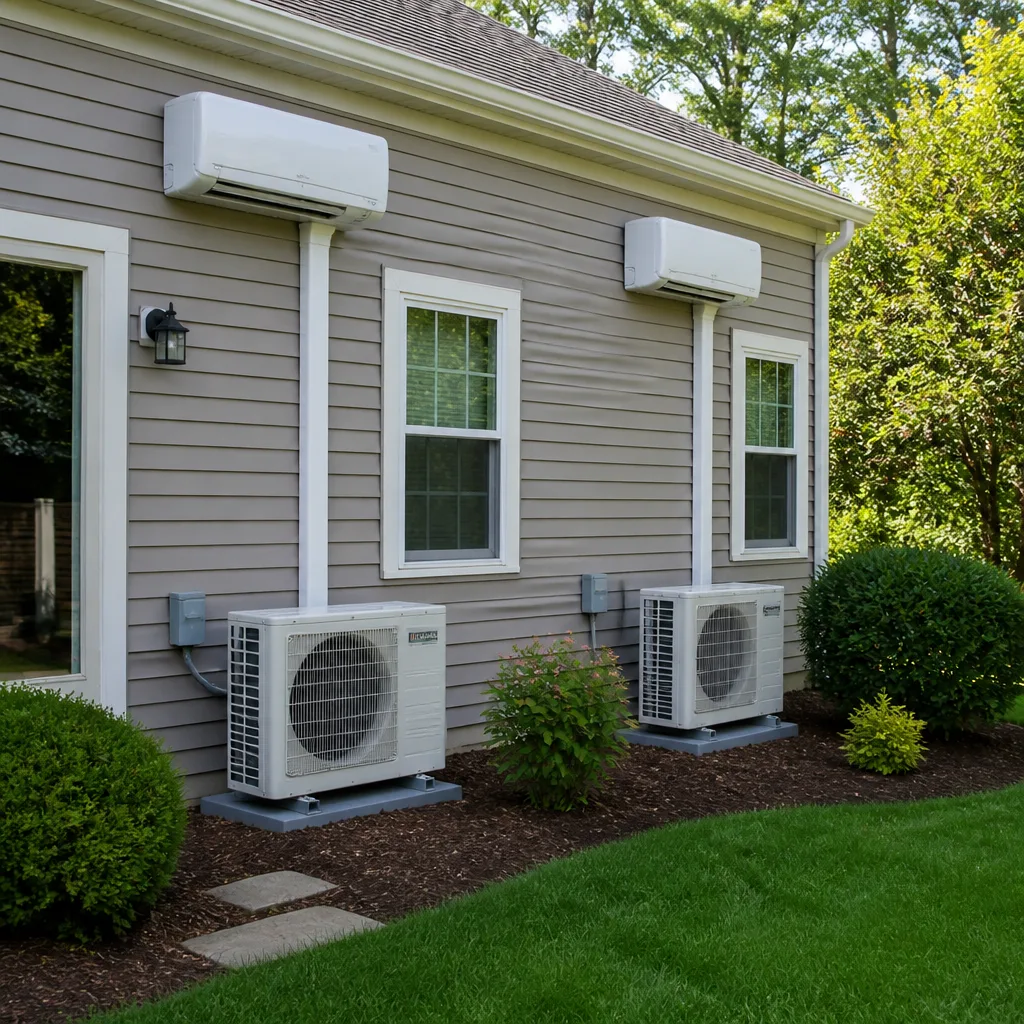 Ductless mini splits
 Carrier
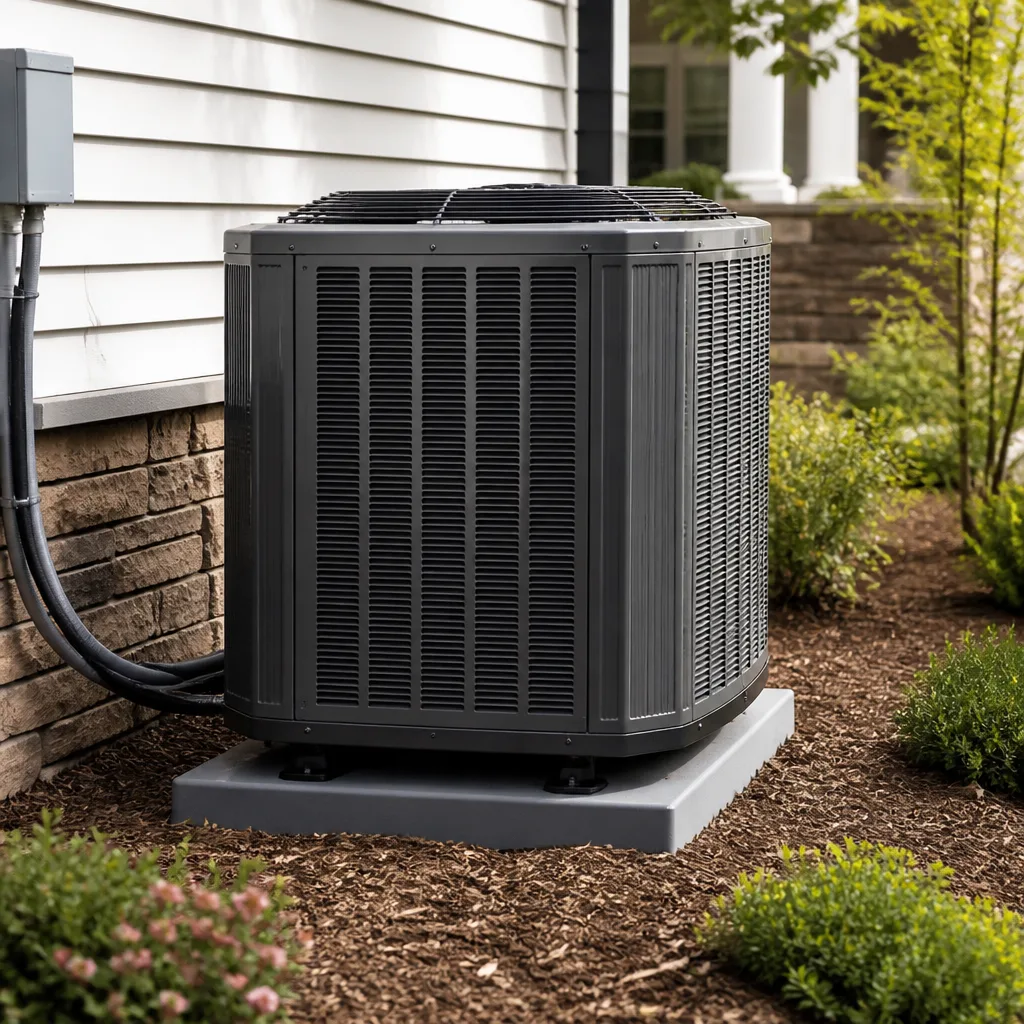 Trane
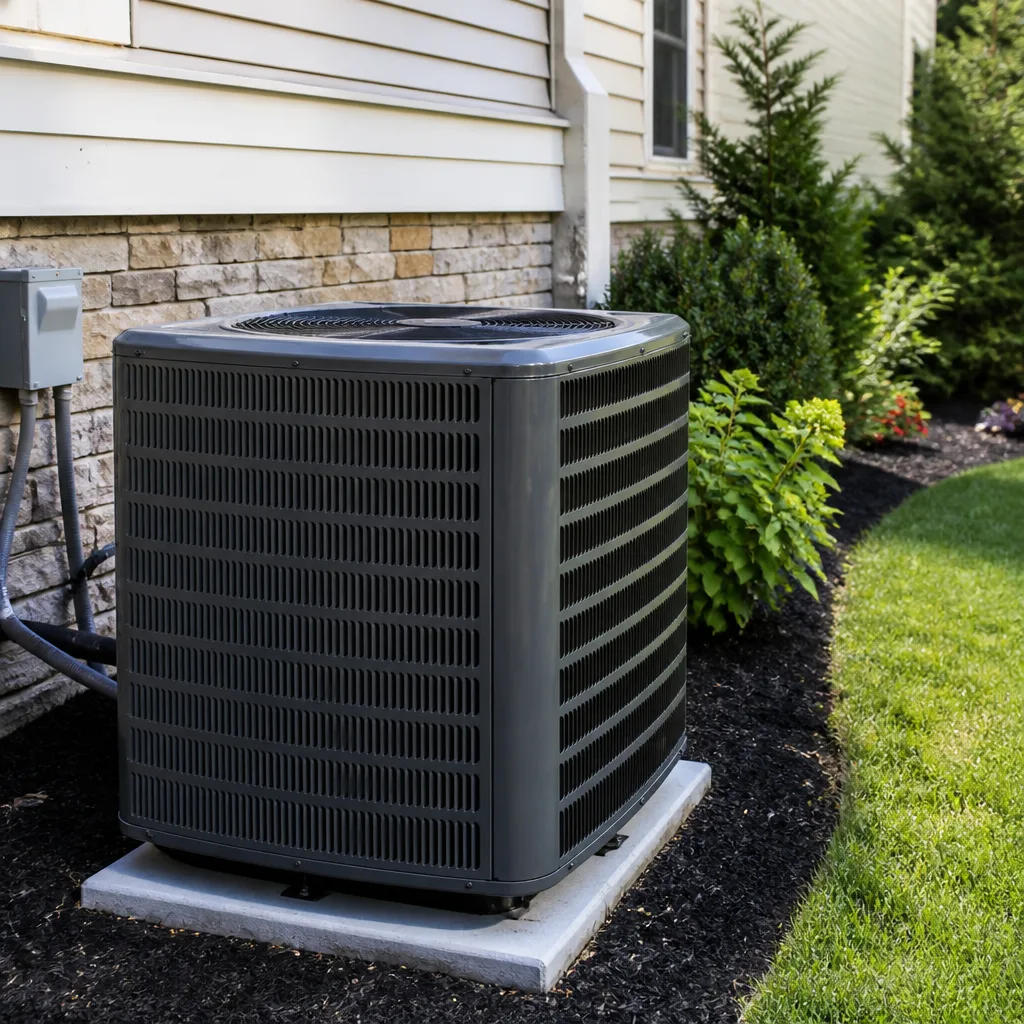 Goodman
Seasonal tune-up and full diagnostic on your Carrier, Trane, or Goodman system - readings shown to you before any repair is proposed
Diagnosis first, numbers second - you approve the repair price before a single part goes in.
Get your free estimateHVAC Cost Breakdown: The Pompano Beach Homeowner’s Reference for 2026
Two Pompano Beach homeowners replacing the same 3-ton system can receive quotes that differ by $4,000. It’s rarely because one contractor is dishonest. It’s because equipment tier, warranty terms, permit inclusion, and duct work scope are almost never itemized the same way, so the numbers on the page can’t be compared line for line. When a quote is one lump sum, you have no way to tell whether you’re paying for a better condenser, a longer labor scope, or pure markup. This guide pulls that bundle apart. You’ll learn what each cost component actually represents, what labor should cover in a Pompano Beach installation, how South Florida conditions shift the numbers, and how to judge a proposal without being an industry insider.
Styles & brands we work with
- AC repair
- Furnace & heating
- Heat pumps
- Ductless mini splits
- Carrier
- Trane
- Goodman
Quick Answer
In Pompano Beach, a full AC replacement typically runs from roughly $6,500 to $14,000 depending on equipment tier, duct work, and electrical scope, while a standard repair usually falls between $180 and $1,200. Labor generally makes up 30% to 50% of a replacement quote, and that share is where most of the comparison difficulty lives. The single written estimate is what sets your final price, so treat any range here as a starting frame, not a quote.
Table of Contents
- Why Do HVAC Quotes in Pompano Beach Differ So Much?
- What Does the Equipment Actually Cost?
- What Should Labor Cover in a Pompano Beach Installation?
- What Hidden Cost Multipliers Apply in South Florida?
- Repair or Replace: How Do You Run the Math?
- What Do Financing and Rebates Really Cost in 2026?
- How Do You Read a Written Estimate Like a Pro?
- Common Mistakes to Avoid
- When to Call a Professional
- Frequently Asked Questions
Why Do HVAC Quotes in Pompano Beach Differ So Much?
HVAC pricing in Pompano Beach is opaque by design. Most proposals bundle equipment, labor, permits, and markup into one figure, which makes side-by-side comparison nearly impossible. A quote is only useful if you can see what’s inside it. When two numbers are far apart, one of four things is usually driving the gap: equipment tier, warranty terms, whether the permit is included, and how much duct work the contractor scoped.
Here’s the practical breakdown of where the gap comes from:
- Equipment tier. The same brand makes builder-grade and premium units with different efficiency ratings and different price points. A like-for-like comparison starts with matching the model numbers, not the brand names.
- Warranty terms. A 5-year parts warranty and a 10-year parts-and-labor warranty are not the same product. The longer coverage usually carries a higher equipment or labor line.
- Permit inclusion. If one quote factors the permit and inspection into the scope and the other leaves it to you, the numbers won’t line up. Most cities require a permit for a system changeout, so confirm it in writing.
- Duct work scope. Replacing a unit without evaluating the ducts is a common shortcut. A quote that includes sealing, resizing, or a partial rebuild will rightly cost more.
In our experience across Pompano Beach, the quote that looks lowest often defers the load calculation and the line set evaluation. Those are not optional steps, and when they get skipped, the homeowner pays for them later in comfort problems or early equipment failure. We work on the system you have, which means we read the existing setup and the proposal together before recommending anything.
What Does the Equipment Actually Cost?
Wholesale equipment prices for major HVAC brands are publicly discoverable. That’s the first thing to understand: the equipment itself is not a secret. What varies is the contractor’s margin on top of it, and that margin is a legitimate business cost – it covers ordering, warranty labor, and the risk of a callback. It’s also negotiable when you understand it.
Here’s a typical breakdown for a 3-ton split system in the Pompano Beach market, as a starting frame:
| Component | Typical Estimated Range |
|---|---|
| Condenser and air handler (equipment only) | $2,400 – $5,500 |
| Line set and refrigerant | $350 – $900 |
| Electrical disconnect and whip | $250 – $600 |
| Permit and inspection | $150 – $450 |
| Labor (removal, install, startup, commissioning) | $1,800 – $4,000 |
| Duct work (if scoped) | $800 – $3,500 |
| Total installed | $6,500 – $14,000 |
Those ranges are estimates, not quotes. The written estimate sets the final price, and it should show each line above rather than one opaque number. When you’re comparing, ask for the model number on the equipment line so you can verify what tier you’re actually being sold. Brands like Rheem, York, Daikin, and Bryant each build across efficiency classes, so the brand name alone doesn’t tell you much.
Our technicians have up to 8 years of experience working on nine of the industry’s leading brands, including all four above. That matters here because equipment cost is only fair to evaluate against the equipment that’s actually in your home, not against a hypothetical system.
What Should Labor Cover in a Pompano Beach Installation?
Labor in a Pompano Beach installation should cover far more than lifting a unit into place. The best way to spot a low-bid job is to see which of these steps disappear from the scope. A fair labor line includes all of them:
- Load calculation. A proper Manual J-style load calculation sizes the equipment to the house, not to a rule of thumb. Skipping it is how you end up with a system that short-cycles or never keeps up in August.
- Permit procurement. The contractor should pull the permit and arrange the inspection. If that’s left to you, it’s not a complete scope.
- Line set evaluation. The refrigerant lines running through your walls and attic need to be checked for size, length, and condition. Reusing an undersized or contaminated line set is a shortcut that fails within a season or two.
- Electrical disconnect inspection. The disconnect box, whip, and breaker need to be verified against the new unit’s draw. This is licensed electrical panel work, and it should be done by a qualified technician.
- Removal and disposal. Old equipment and refrigerant have to be recovered and disposed of properly.
- Startup and commissioning. Refrigerant charge verification, static pressure check, and airflow setup. This is the part that determines whether the install actually performs.
When a quote omits the load calculation, the line set review, or the electrical inspection, that’s the low-bid path. It’s not a bargain; it’s a deferred cost. A trained technician should be able to walk you through each of these items, and a fair estimate will list them. In our experience, the labor scope is usually where the comparison-gap between two otherwise similar quotes actually lives.
What Hidden Cost Multipliers Apply in South Florida?
Pompano Beach sits in a warm, humid climate that runs the AC nearly year-round, and that shapes several cost lines a northern contractor wouldn’t factor in. These are not upsells. They’re the specific conditions your system operates in.
- Coil protection. The indoor coil condenses a heavy volume of moisture in this climate, and coil coatings and materials rated for constant humidity add cost. A coil that’s not built for the runtime can fail early.
- Hurricane strapping for outdoor units. Outdoor condensers should be secured against high wind. Hurricane strapping and securing hardware are a real line item in a Pompano Beach install, and it’s easy to miss when comparing quotes.
- High-velocity duct compatibility. Some older homes were built with high-velocity small-duct systems. Those systems don’t accept a standard air handler without duct work or a high-velocity-specific unit, which changes the scope and the price.
The practical takeaway is to ask any contractor how they’re handling coil durability, outdoor unit securing, and duct compatibility before they quote. If a proposal has nothing in it addressing those three, that’s a sign the scope wasn’t fully evaluated. The warm, humid conditions in Pompano Beach mean runtime hours are high, which also pushes equipment harder than the manufacturer’s lab numbers assume.
Repair or Replace: How Do You Run the Math?
The generic “50% rule” (replace if the repair costs half the price of a new unit) is too simple to be useful. A better framework uses runtime hours and the repair cost as a percentage of replacement, adjusted for the age and remaining life of the system.
Here’s a practical way to run it:
- Estimate your runtime hours. In the Pompano Beach climate, a system can run 2,500 to 3,500 hours a year. A unit that’s been in service 10 years at that pace is near or past its design life. Divide the system’s age by its expected life (usually 12 to 15 years for a compressor) to get a rough utilization percentage.
- Get the repair quote. Then divide your repair cost by the cost of a new system. If the repair is above 30% of replacement and the unit is past two-thirds of its expected life, replacement usually makes more financial sense.
- Factor in the repair history. A single repair on a well-maintained system is usually worth doing. A third repair in 18 months is a pattern, and the pattern usually continues.
- Weigh the efficiency gain. A new high-efficiency system uses less power per hour of runtime. In a climate with this many runtime hours, that difference shows up on the bill month after month.
- Check refrigerant type. Older systems using phased-out refrigerant can face rising repair costs when a recharge is needed. That’s a cost trajectory problem, not just a current-repair problem.
Straight diagnosis means no pressure. We’ll tell you which path actually makes sense for the system in front of us. If you need a AC repair, we can start there with an honest read on whether repair or replacement is the better call. If replacement is the answer, we handle the AC installation ourselves, so you don’t have to find a second contractor.
What Do Financing and Rebates Really Cost in 2026?
The 2026 rebate and financing landscape is genuinely useful, but only if you read the fine print. On the rebate side, utility and federal programs can lower the upfront cost of an eligible system, and the exact eligibility rules are set by the program, not by the contractor. The details change, so confirm current terms before you commit to a specific equipment tier.
What to check on the rebate side:
- Federal tax credit eligibility. The Inflation Reduction Act provisions set efficiency thresholds that specific equipment has to meet. Not every unit qualifies, so ask for the model number and verify against the current program rules.
- Local utility incentives. Broward County utility programs may offer their own incentives, but availability and amounts vary. The utility’s own terms are the source of truth.
- Stacking rules. Some programs allow combining; others don’t. Ask before you count on both.
On the financing side, the fine print is where the real cost hides. A “no interest” plan is often a deferred-interest plan: if you don’t pay the balance off in full within the promotional window, interest can be applied retroactively from the purchase date. A low monthly payment can also stretch the term long enough that you pay more than the equipment is worth over its life. Ask for the annual percentage rate, the full term length, and what happens at the end of any promotional window. A written estimate that itemizes the equipment against the financing terms lets you see the true total.
We can work with your insurer on any applicable warranty claim, and we’ll walk through the paperwork with you. Ask for the financing terms in writing so you can compare them against the cost of the equipment itself.
How Do You Read a Written Estimate Like a Pro?
A written estimate is the document that actually sets your price, so it should be readable by a homeowner without inside knowledge. Use this checklist to evaluate any quote for a Pompano Beach installation:
- Model numbers on every equipment line. Brand name alone isn’t enough. You need the exact model to verify tier and efficiency.
- Labor scope itemized. Load calculation, line set review, electrical disconnect inspection, permit procurement, removal, and commissioning should each be visible.
- Warranty terms spelled out. Parts and labor, in years, stated separately.
- Permit line present. Who pulls it and who pays for the inspection.
- Duct work scope stated. Either “no duct work scoped” or the specific work included.
- Payment and financing terms in writing. APR, term, and what happens after a promotional window.
- A stated revision path. You should be able to ask for changes and get a revised estimate, not a verbal reassurance.
If a quote won’t itemize these, that’s a reason to ask for one that does. The number that matters is not the headline; it’s what’s inside the headline. An itemized estimate is fair to compare; a bundled one isn’t.
Common Mistakes to Avoid
- Comparing total prices across unlike scopes. Two quotes aren’t comparable until the equipment tier, warranty, permit, and duct scope match. Match those first, then compare numbers.
- Chasing the lowest bid on a system changeout. The lowest bid usually cuts the load calculation, the line set evaluation, or the electrical inspection. Those cuts show up as comfort problems or early failure once the unit is in service.
- Ignoring hurricane securing for the outdoor unit. In this climate, an unsecured condenser is exposed to wind damage. Ask specifically how the outdoor unit will be secured before you sign.
- Skipping the duct compatibility check in older homes. If your home has a high-velocity small-duct system, a standard air handler may not drop in without duct work. Surprise duct costs are a common source of quote disputes.
- Using the 50% rule for repair versus replace. It ignores runtime hours and the age of the system. A better framework uses utilization and repair cost as a percentage of replacement.
- Assuming a “no interest” financing plan is free. Deferred-interest terms can charge retroactive interest if the balance isn’t cleared by the deadline. Ask for the APR and the full term before signing.
- Not verifying rebate eligibility against the model number. Rebates hinge on the specific equipment meeting efficiency thresholds. A verbal “it qualifies” isn’t enough; check the model number against the program rules.
When to Call a Professional
Some HVAC problems are genuinely dangerous and belong to a trained professional. If you notice a burning smell near the air handler, hear buzzing from the electrical disconnect, or see scorch marks near the breaker, stop and call. Electrical panels and wiring are dangerous to work on, and refrigerant handling requires certified equipment. Don’t open the disconnect or probe the wiring yourself. Other scenarios that warrant a professional: the unit is running but never cooling the house; the indoor coil is icing up; the system short-cycles repeatedly; the repair quote is approaching or exceeding 30% of a replacement estimate; the equipment is past two-thirds of its expected life and has a history of repairs. In any of these, a trained technician can give you a straight read. Valor AC Repair offers free estimates in Pompano Beach. Call (844) 952-3433. We answer 24/7, with fast dispatch from 7am to 7pm, Sunday through Friday.
Frequently Asked Questions
In Pompano Beach, a complete AC replacement typically runs from about $6,500 to $14,000, depending on equipment tier, duct work, electrical scope, and whether the permit is included. The written estimate sets the final price, so ask for itemization on equipment, labor, permit, and duct scope. Call (844) 952-3433 for an exact quote. Estimates are free.
The gap comes from equipment tier, warranty terms, permit inclusion, and duct work scope, not from one contractor being dishonest. Two quotes aren’t comparable until those four items match line for line. Once they match, the difference makes sense. If a quote won’t itemize those, ask for a revised estimate before you compare.
It depends on runtime hours and repair cost as a percentage of replacement, not a flat 50% rule. If your system runs 2,500 to 3,500 hours a year and is past two-thirds of its expected 12-to-15-year life, a repair cost above 30% of replacement usually argues for replacement. A trained technician can run the numbers for your specific unit. Call (844) 952-3433 for a free estimate.
There can be, but eligibility depends on the program’s current rules and the specific equipment model, and the terms change. Federal IRA provisions, local utility programs, and stacking rules each have their own limits. Verify against the model number before counting on a rebate. We can work with your insurer and walk you through the paperwork. Call (844) 952-3433 to talk through what applies to your situation.
No. The price is set per job by the written estimate, and there’s no surcharge for same-day work. The estimate reflects the actual scope of the repair, not the speed. Call (844) 952-3433. We answer 24/7, with fast dispatch from 7am to 7pm, Sunday through Friday.
The main traps are deferred-interest terms and stretched loan durations. A “no interest” plan can apply retroactive interest if the balance isn’t paid off by the deadline, and a low monthly payment can extend past the equipment’s useful life. Ask for the APR, full term length, and what happens at the end of a promotional window, all in writing. Call (844) 952-3433 for an exact quote, and we’ll lay out the equipment cost against the financing terms.
The Bottom Line
HVAC pricing in Pompano Beach isn’t hard because the numbers are secret. It’s hard because the numbers are bundled. When you strip a quote into equipment, labor, permit, duct work, and financing terms, you can judge whether it’s fair without being an insider. Insist on itemization, match equipment tiers before comparing prices, and run the repair-versus-replace math on runtime hours instead of a flat rule. The single written estimate is your source of truth, not a range from a guide. Valor AC Repair works on the system you already have, diagnoses it straight, and lets the repair-or-replace call follow the facts. We show up, we fix it, we stand behind it.
Call (844) 952-3433 for a free estimate. We answer 24/7, with fast dispatch from 7am to 7pm, Sunday through Friday.
Written by the team at Valor AC Repair.
See the difference
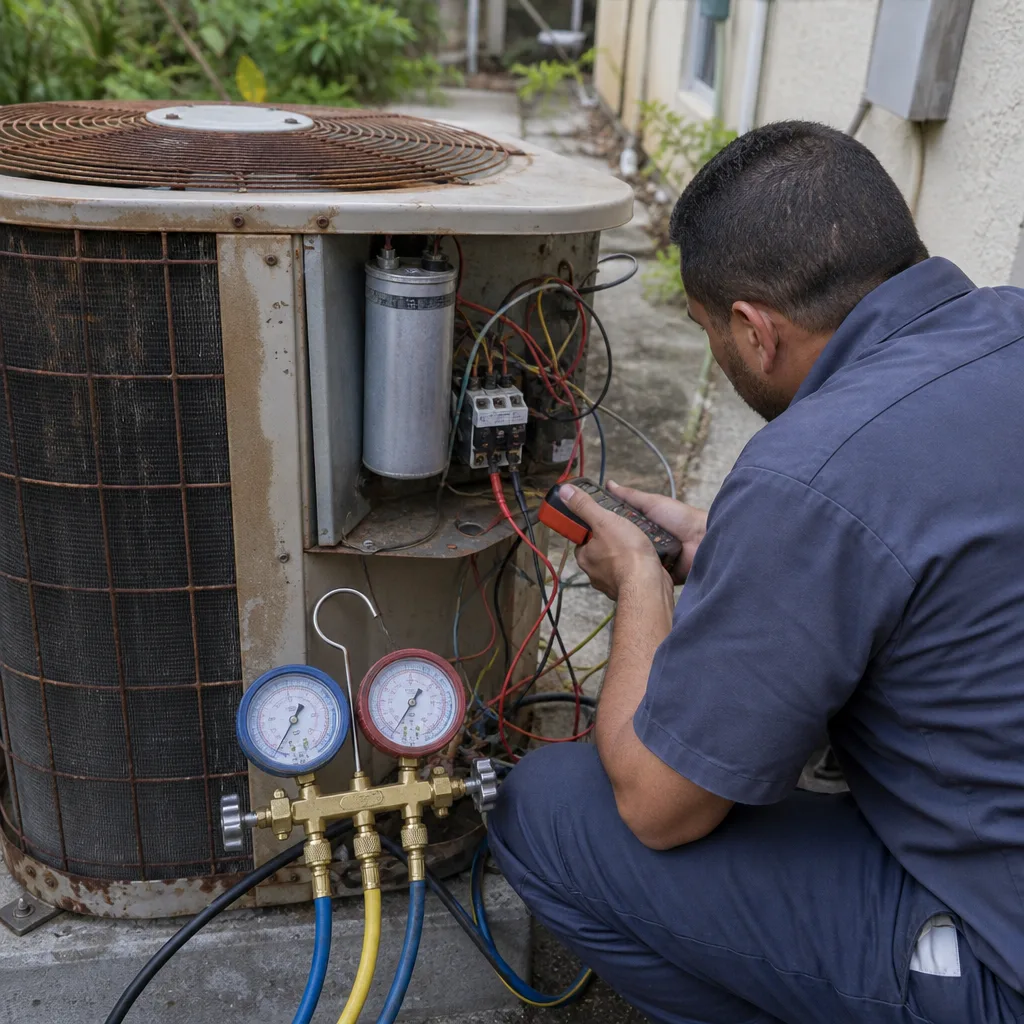 Before
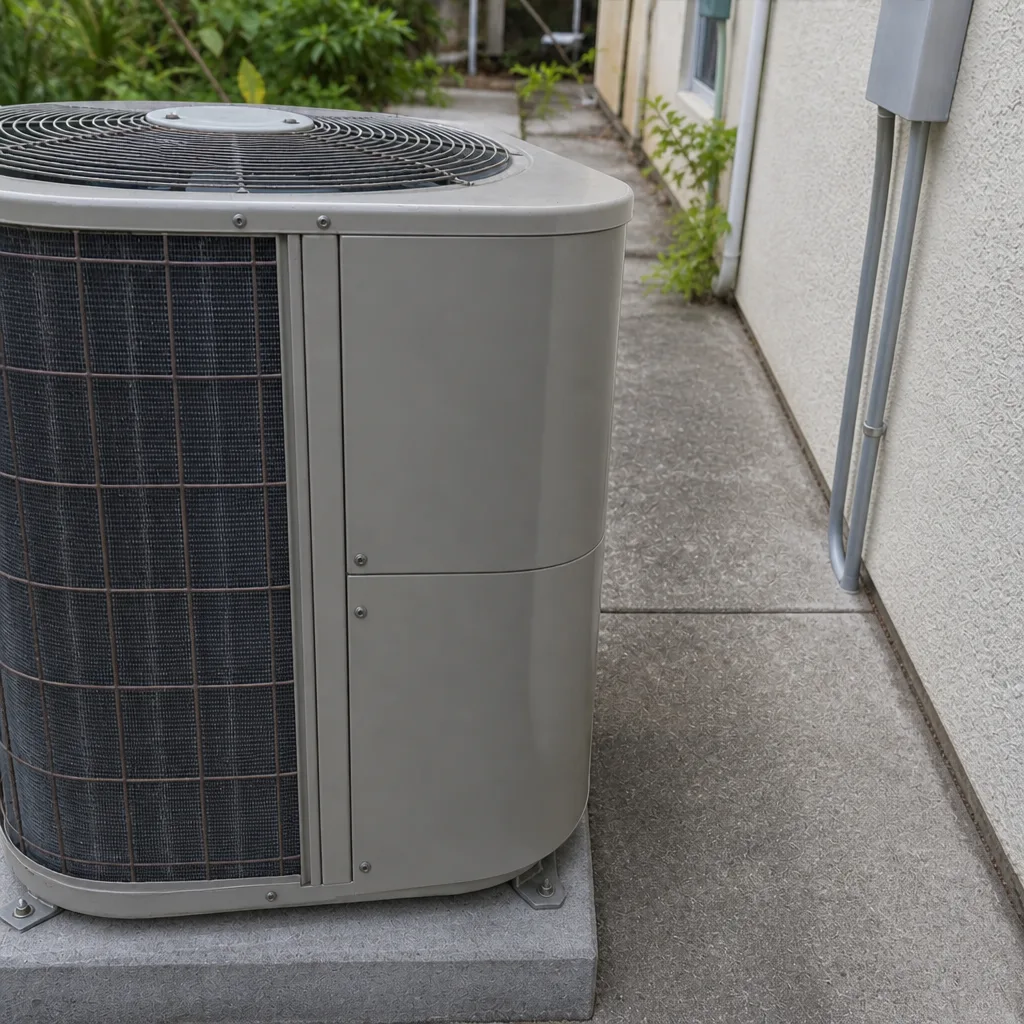 After
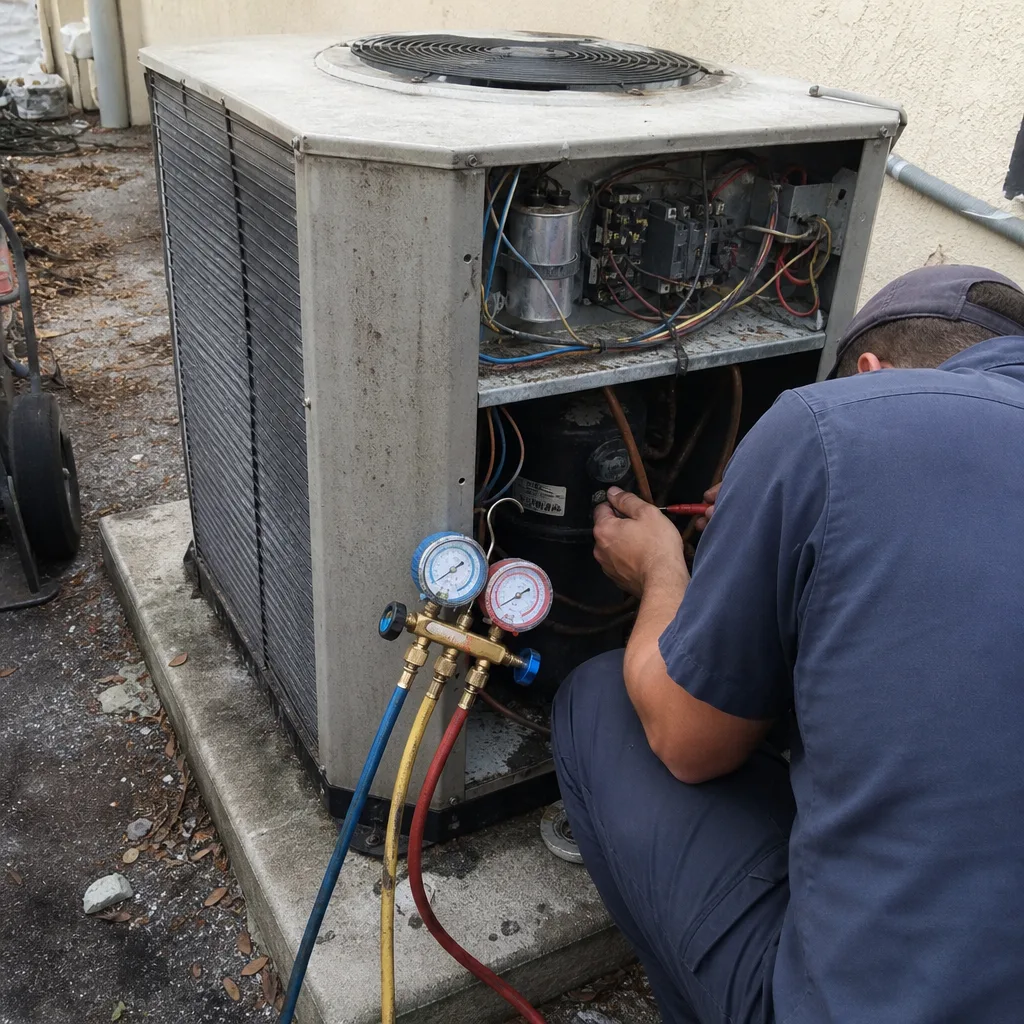 Before
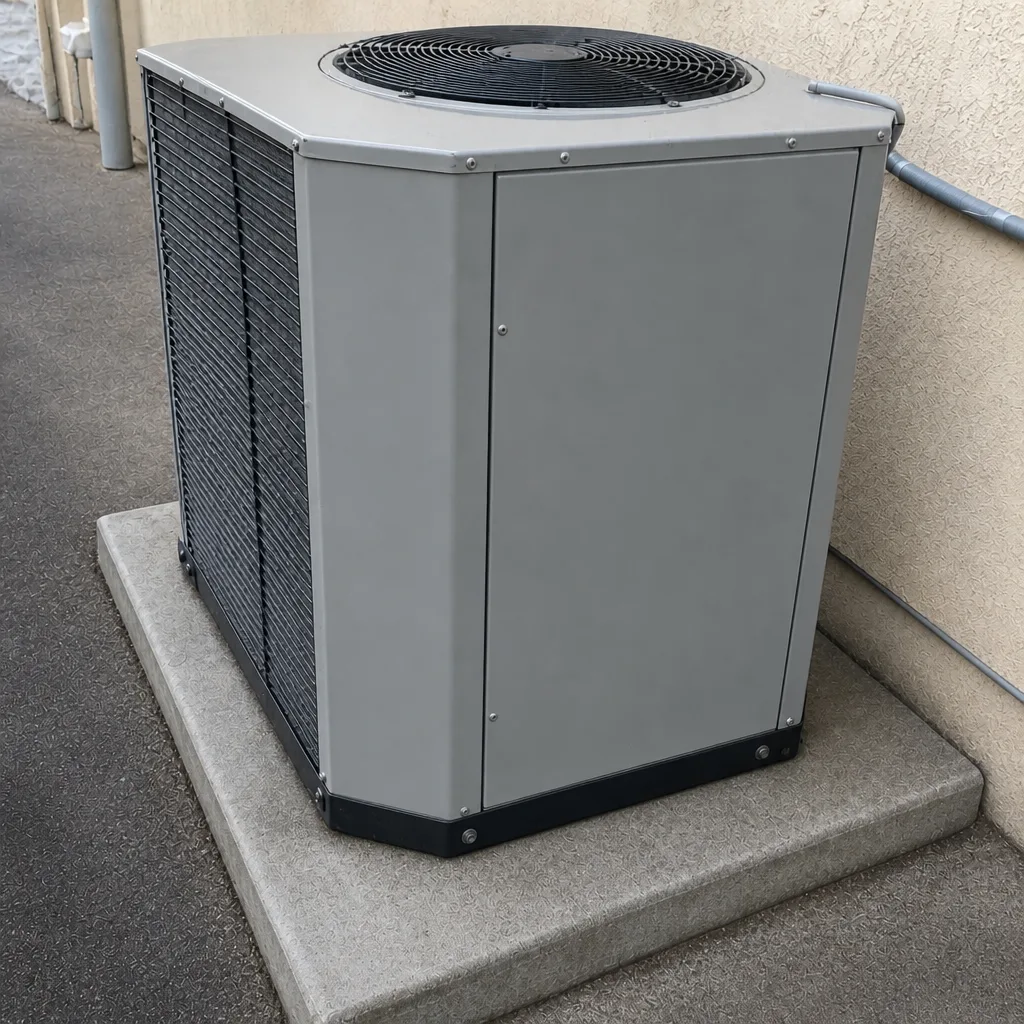 After
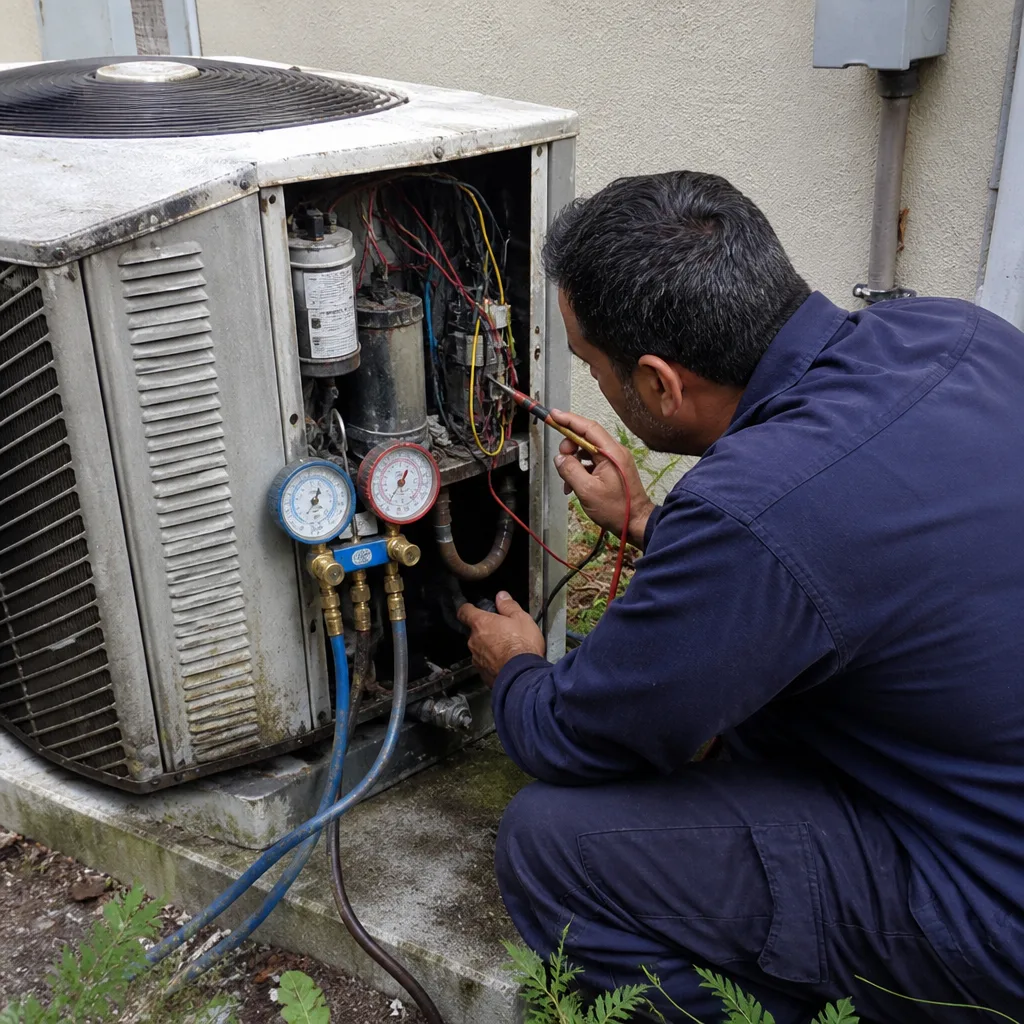 Before
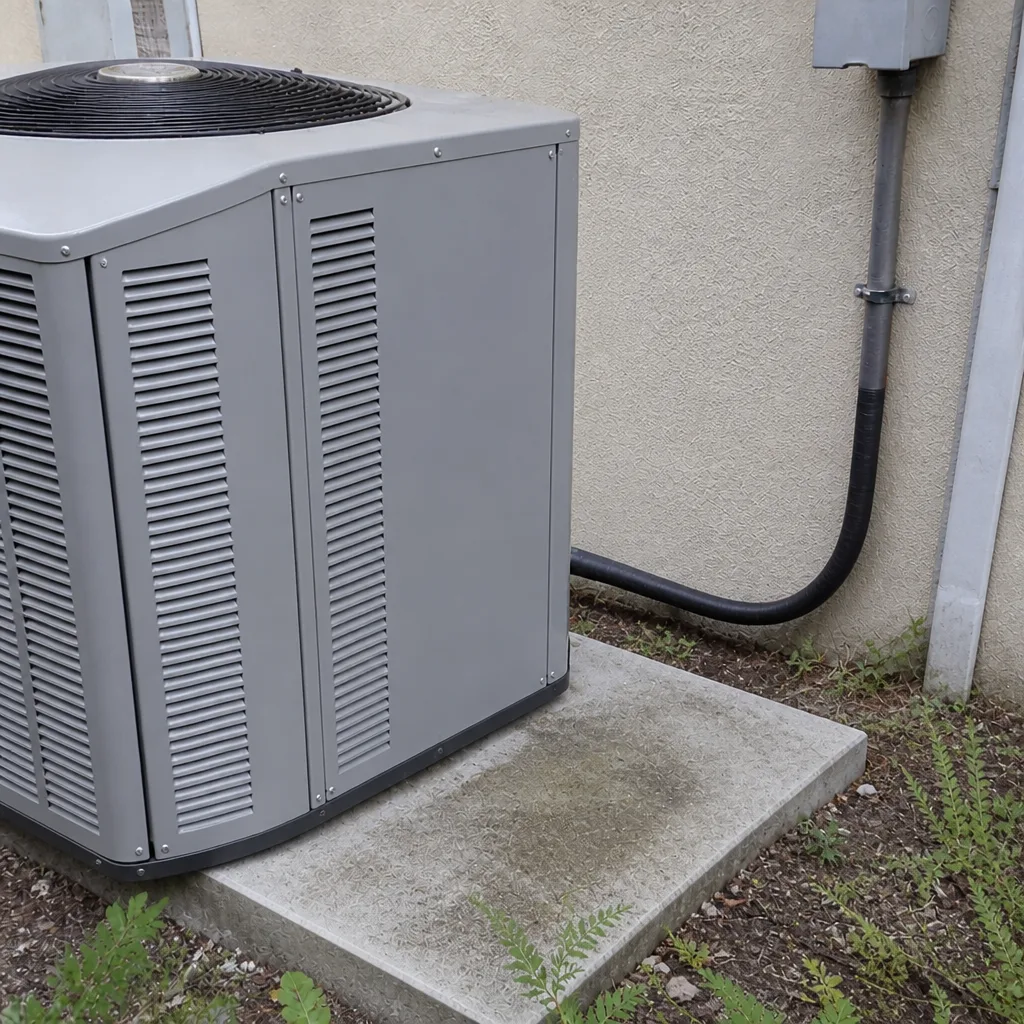 After