
Last updated November 15, 2026
 AC repair
 Furnace & heating
 Heat pumps
 Ductless mini splits
 Carrier
 Trane
 Goodman
Seasonal tune-up and full diagnostic on your Carrier, Trane, or Goodman system - readings shown to you before any repair is proposed
Diagnosis first, numbers second - you approve the repair price before a single part goes in.
Get your free estimateHVAC Permits, Codes & Inspections in Pompano Beach, FL: What You Need to Know
Most homeowners assume the permit is the contractor’s problem. It isn’t. The permit is attached to your address, not to the company that pulled it, and that distinction matters when you sell the house, file a claim, or get a call from a buyer’s attorney. In Pompano Beach, HVAC work sits squarely inside Broward County’s mechanical permit system, and the line between a repair that needs nothing and a replacement that needs everything is narrower than most people think. This guide walks through what triggers a permit, what the inspection actually checks, how Florida’s wind-zone rules apply to mechanical equipment, and how to clean up work that was done without one.
Quick Answer
In Pompano Beach, any HVAC work that replaces equipment, adds equipment, or alters the mechanical system requires a Broward County mechanical permit, while a straightforward repair of an existing component usually does not. The permit must be pulled before work starts, inspections happen at defined stages, and the final inspection is what legally closes the job. Unpermitted HVAC work stays unpermitted until someone fixes it, and that someone is usually the homeowner at resale or claim time.
Styles & brands we work with
- AC repair
- Furnace & heating
- Heat pumps
- Ductless mini splits
- Carrier
- Trane
- Goodman
Table of Contents
- Which HVAC jobs need a permit in Pompano Beach?
- Repair vs. replacement: where the county draws the line
- Florida Building Code requirements that apply to HVAC here
- What an HVAC inspection actually checks
- Your role in the permit process as the homeowner
- What happens to unpermitted HVAC at resale
- How to permit existing unpermitted HVAC work
- Common mistakes to avoid
Which HVAC jobs need a permit in Pompano Beach?
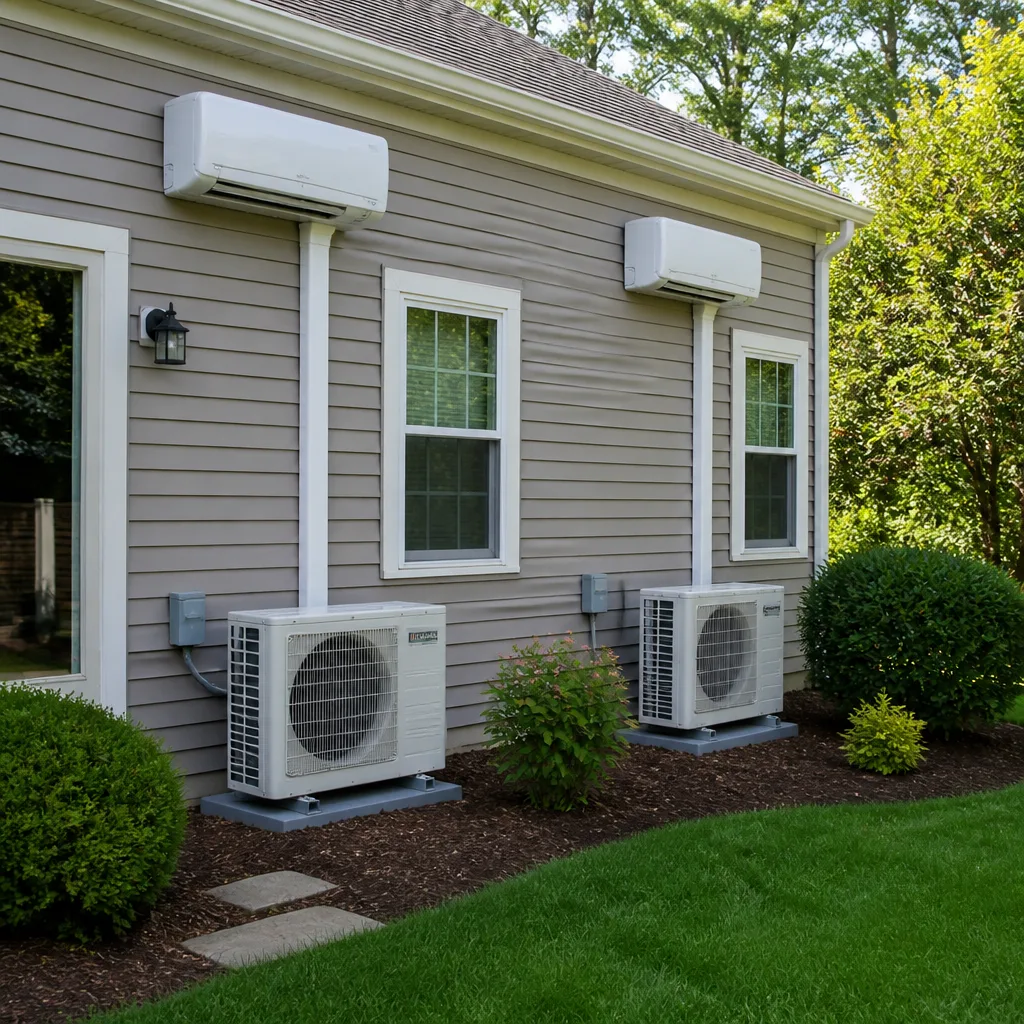
Replacing a condensing unit, replacing an air handler, installing a new system, adding a mini-split, or running new refrigerant lines all require a mechanical permit in Pompano Beach. So does any change to the duct system that alters its layout, and so does a change in equipment size or capacity. The county treats these as alterations to the mechanical system, and alterations get permits. A like-for-like part swap does not.
Here’s the practical split, as we explain it to homeowners across Pompano Beach:
- Needs a permit: full system replacement, new installation, equipment relocation, adding a zone, new duct runs, changing tonnage, replacing a compressor as part of a larger repair scope, electrical disconnect changes tied to the equipment.
- Usually doesn’t need a permit: replacing a capacitor, contactor, blower motor, thermostat, or fan motor of the same specification, cleaning a drain line, recharging refrigerant after a leak repair, or replacing a filter drier.
- Grey area: replacing a compressor on its own, swapping an air handler for a different model, and any repair where the technician has to cut into ductwork. These are worth a call to the county before work starts.
The gray area is where people get burned. A compressor swap can look like a repair in the invoice but read as an equipment change to an inspector, and if the job was never permitted, the homeowner owns the problem. We’ve seen this play out most often on older systems where a technician decides mid-job that the compressor is the whole issue. That decision is the right time to ask whether the work crosses into permit territory, not months later.
One more thing worth knowing: the permit is tied to the address, not the person who pulled it. If a previous owner had a system installed without one, that fact follows the house. It does not follow the contractor who skipped it.
Repair vs. replacement: where the county draws the line
Broward County’s dividing line is function, not paperwork. If the work restores the system to the condition it was already approved in, it’s a repair. If it changes what the system is, how much it moves, or where it sits, it’s an alteration and it needs a permit. This is the single most useful rule to carry into any HVAC conversation in Pompano Beach.
Ask three questions about any proposed job:
- Is the equipment being removed and replaced as a unit? If yes, that’s a replacement and permits apply, even if the new unit has the same model number as the old one.
- Is the capacity changing? Moving from a 3-ton to a 4-ton system is a change to the mechanical system and requires a permit, plus a load calculation to justify the sizing.
- Is the location or routing changing? Relocating an air handler, rerouting a refrigerant line, or cutting new supply registers all count as alterations.
The confusing part for homeowners is that a repair bill and a replacement bill can feel similar at the moment of decision. When a 15-year-old Carrier condenser fails in July and the technician says the compressor is bad, the options are a compressor repair or a full replacement. Only one of those needs a permit. The right move is to ask, in writing, which one the job is legally classified as before you approve it. Any contractor who resists that question is telling you something.
In our experience, the ambiguity tends to show up on equipment that’s already near the end of its service life. If a system is failing in multiple ways at once, the honest answer is usually that a repair buys a season and a replacement is the real fix. Either direction is fine. What isn’t fine is doing the replacement work without the permit because the invoice says “repair.”
Florida Building Code requirements that apply to HVAC here
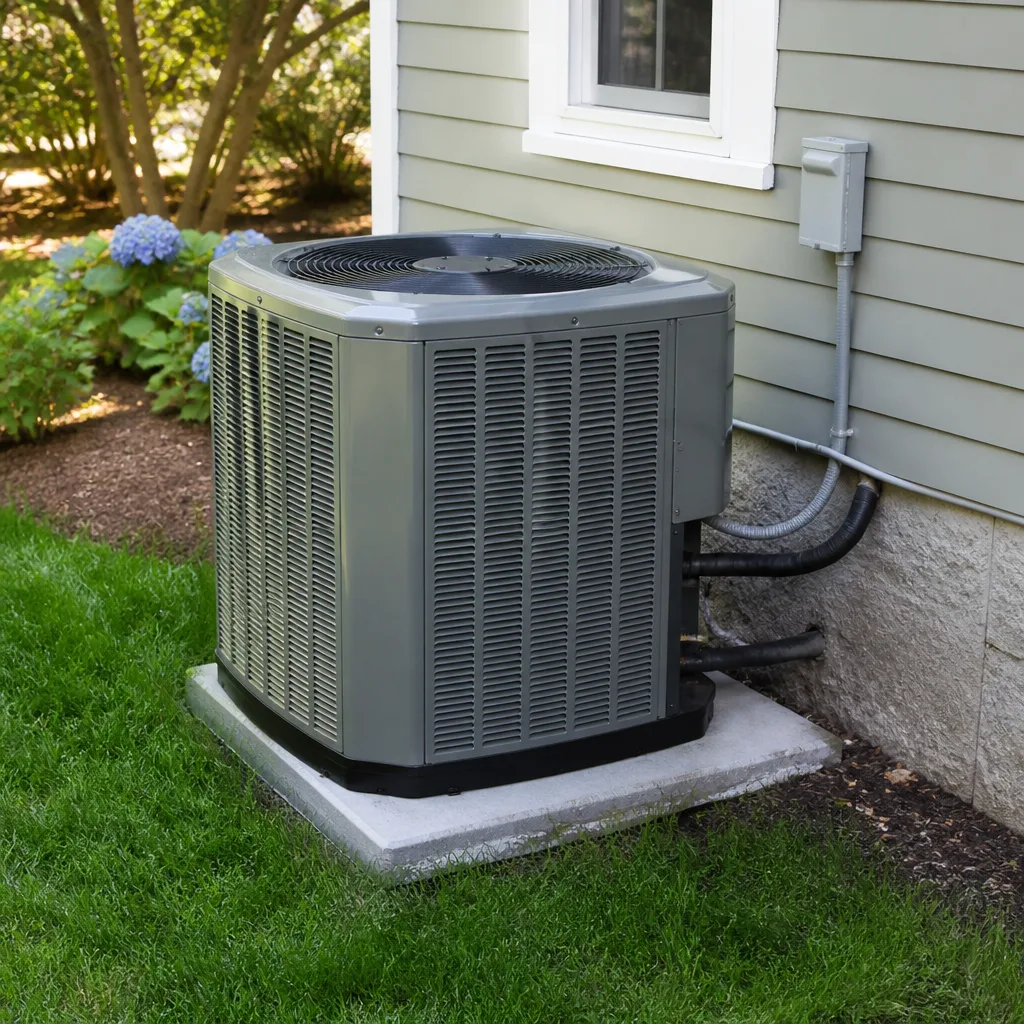
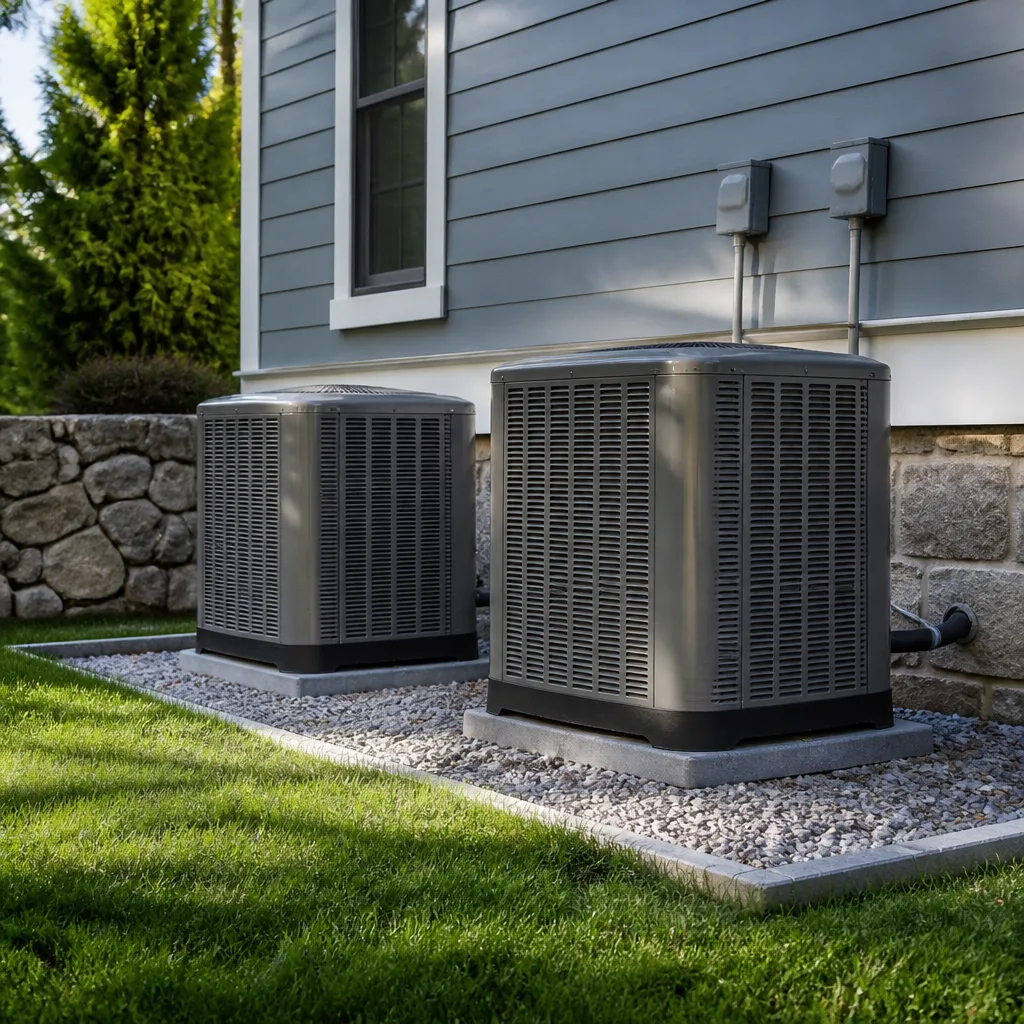
Florida’s building code treats mechanical equipment in South Florida differently than in most of the country, and the reason is wind. Equipment mounted outside, on a roof, or on a platform has to be secured well enough to stay put when high winds arrive, and the inspection checks that the attachment method matches what the code and the manufacturer require. This is not a formality. A condenser that lifts off its pad in a storm becomes a projectile, and no insurance company is going to overlook that.
What the code touches in a typical residential HVAC job:
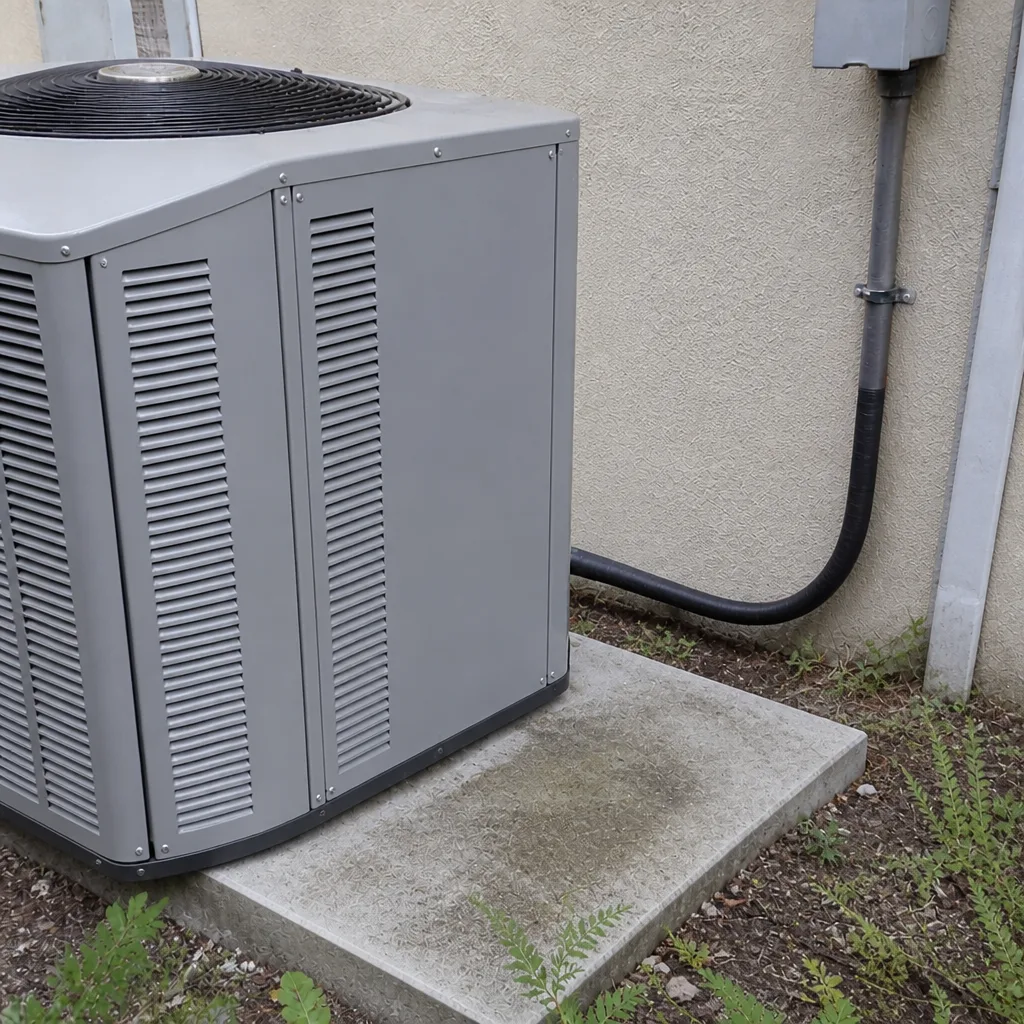
- Equipment anchorage: outdoor units must be fastened to a pad, platform, or bracket system rated for the wind exposure at the property.
- Platform and curb construction: rooftop and platform-mounted equipment needs structural support that meets code, not a scrap of plywood.
- Electrical connections: the disconnect, whip, and breaker must match the equipment’s nameplate rating.
- Refrigerant piping: line sets must be properly supported, insulated, and protected at wall penetrations.
- Condensate management: the drain has to route somewhere legal, with a primary and secondary path where the code requires it.
- Duct sealing: joints in new or altered ductwork must be sealed, since leaks waste more energy here than most homeowners realize.
- Combustion and clearances: for any gas-fired heating equipment, clearances and venting have to match the manufacturer’s listing.
The wind provisions are the ones that surprise people. A Pompano Beach homeowner who had a condenser replaced years ago might find that the unit was set on a plastic pad with no anchorage at all. It works. It cools. It also wouldn’t pass today. When you pull a permit for a new install, the anchorage requirement applies to what goes in, not to what came out, which is one reason a permitted job sometimes looks a little more involved than the homeowner expected. The pad, the straps, and the elevation are part of the system, not accessories.
If you’re ever unsure whether your existing equipment meets current anchorage requirements, an inspection through the county is the only way to know for certain. A visual check by a technician gives you an educated opinion. The inspector’s signature gives you a document.
What an HVAC inspection actually checks
An HVAC inspection in Pompano Beach confirms that the installed work matches the permitted scope, meets code, and is safe to energize. The inspector is not there to grade the contractor’s workmanship on aesthetics. They’re checking compliance, and their checklist is predictable once you know what’s on it.
What typically gets looked at:
- Permit and plans on site. The permit card should be posted and visible, and the scope of work should match what was approved.
- Equipment match. The model and serial numbers of the installed equipment need to match the permit application and the manufacturer’s matched-system pairing.
- Anchorage and support. Outdoor units, platforms, and curbs get checked for secure attachment and proper elevation.
- Electrical. Disconnect location, breaker sizing, and conductor ampacity compared against the nameplate.
- Refrigerant lines. Support, insulation, and penetration sealing.
- Condensate. Primary and secondary drain paths, with the secondary routed to a visible location or a float switch installed.
- Ductwork. Sealing at joints and connections, and confirmation that the layout matches the approved scope.
- Venting and clearances. For gas heating equipment, flue routing and clearance to combustibles.
- Operation. The system is started and confirmed to run correctly before the final inspection is signed.
Many jurisdictions require an intermediate inspection at rough-in, before insulation and finish work close up the piping and ductwork. Broward County handles HVAC inspections in stages for larger jobs, and the final inspection can’t happen until the intermediate one has been signed off. This is one of the reasons a permit-based job takes a few extra days of scheduling buffer. The work is done. The inspection still has to happen.
If an inspection fails, the contractor corrects the issue and the re-inspection is scheduled. It’s a normal part of construction, not a disaster. What’s not normal is a contractor who tells you an inspection failure means the whole job has to be redone. It doesn’t. It means something specific was wrong and it’s being fixed.
Your role in the permit process as the homeowner
The contractor pulls the permit. You, the homeowner, are the one who should confirm it exists. This is not paranoia; it’s the single most effective protection you have against unpermitted work, and it takes about ten minutes of your attention across the life of the job.
What to do, in order:
- Before work starts: ask for the permit number and the name it was pulled under. The permit should be pulled by the licensed contractor performing the work, not by the homeowner as an “owner-builder,” which shifts all liability onto you.
- Before work starts: confirm the scope on the permit matches the scope on the proposal. If the proposal is for a full system replacement but the permit says “replace condenser,” something is off.
- During the job: the permit card should be posted and visible. If you can’t find it, ask.
- During the job: if the job requires an intermediate inspection at rough-in, confirm it was scheduled and passed before finish work proceeds.
- After the job: the final inspection closes the permit. Get the signed final inspection documentation and keep it with your home records.
- After the job: verify the permit status on the county’s online portal. It should read “finaled” or “closed,” not “open” or “expired.”
The step most homeowners skip is the last one. A permit can stay open for months after the work is complete, and an open permit shows up as a red flag at resale. An expired permit is worse, because it means the job was never closed and the work may have never been inspected. Checking the portal status yourself is a five-minute task that prevents a real headache three years later.
If the contractor declines to pull a permit or suggests a homeowner permit to “save time,” treat that as a hard stop. Legitimate reasons to skip a permit don’t exist for replacement work. There are contractors who do pull permits correctly on every job, and there are contractors who don’t, and the homeowner is the one holding the bag either way. We’ve always found that the honest conversation about permits up front is what makes the customer comfortable with everything else.
What happens to unpermitted HVAC at resale
Unpermitted HVAC work in Pompano Beach doesn’t disappear when the job is done. It surfaces at three points: the seller’s disclosure, the buyer’s inspection, and the lender’s appraisal. Any one of them can slow a sale, and combinations can kill one.
The seller disclosure. Florida’s residential property disclosure requires sellers to disclose known defects and known facts that materially affect the property’s value. Unpermitted work that could affect insurability or safety falls inside that frame. “We forgot” is not a defense once a permit record exists in the county system showing an open or expired permit at the property.
The buyer’s inspection. A home inspector who finds a newer outdoor unit with no matching permit record will flag it. That flag becomes a negotiation item. Sometimes it’s a small credit. Sometimes the buyer wants the seller to permit it retroactively before closing, which is a much larger issue.
The lender’s appraisal. Appraisers don’t inspect permits, but they do note condition and can flag discrepancies. More importantly, if the property’s insurance carrier has excluded the installed HVAC due to unpermitted work, the appraisal may reflect a coverage problem that affects the loan. Buyer’s attorneys have gotten more aggressive about requesting permit records during the diligence period, and an unpermitted system is a clean reason to reopen price negotiations.
The insurance angle is often the most expensive. A carrier that finds unpermitted mechanical work at the property can exclude coverage for damage caused by that system, which means a refrigerant leak or a condensate overflow that would normally be covered becomes a homeowner expense. The original permit for the job is a small line item compared to the coverage it protects. We’ve walked through this with more than a few homeowners who learned it the hard way, and it’s the reason we bring it up before work starts rather than after.
How to permit existing unpermitted HVAC work
Broward County allows homeowners to permit previously completed unpermitted work through a retroactive permit, but the process assumes the work will be inspected as if it were new, and that means uncovering anything an inspector needs to see. It’s doable. It’s also more involved than permitting from the start.
The steps typically look like this:
- Call the county building department and describe the work. Provide the address, the scope (equipment installed, when, and by whom if known), and any documentation you have from the installation.
- Apply for the retroactive permit. The county will review the scope and issue a permit covering what’s already installed.
- Expect an inspection of installed equipment. This may include uncovering ductwork, opening access panels, or exposing the electrical connection. Any work that doesn’t meet current code requires correction before the permit can pass.
- Correct the deficiencies. Common fixes include anchoring the outdoor unit to current wind requirements, bringing the disconnect and breaker up to code, installing a secondary condensate path, and sealing duct joints.
- Complete the final inspection. The signed final closes the permit, and the work is now on record as legal.
The cost is typically the sum of the permit fee, an inspection fee, and whatever corrections the inspection requires. The corrections are the wild card. A system that was installed correctly but never permitted might only need an inspection and a signature. A system that was installed badly and never permitted can need significant rework. In our experience, most unpermitted installations were done by someone who knew what they were doing and simply skipped the paperwork, so the corrections are usually modest. That’s a general observation, not a promise.
If the equipment was installed by a licensed contractor, retrieve whatever documentation exists, including the invoice, the load calculation, and the manufacturer’s installation instructions. Those documents speed up the permit review and reduce the chance the inspector asks for more uncovering than necessary. If you can’t find them, say so up front. The county is used to that situation.
It’s worth noting the equipment brand here matters less than the documentation. Whether your system is an American Standard, Trane, Lennox, or another of the nine brands we’re certified to service, the retroactive process is the same. It’s about paperwork and inspection, not the nameplate.
Common Mistakes to Avoid
- Treating the permit as the contractor’s paperwork, not yours. The permit is attached to your address, so an open or expired permit stays with you after the contractor’s gone. Confirm the final inspection was signed before you file the job away.
- Accepting “repair” billing on what was actually a replacement. If a compressor, air handler, or condenser was swapped for a different model, that reads as replacement to an inspector regardless of what the invoice says. Ask which classification the job is before it starts.
- Skipping the load calculation on a replacement. A new system sized by the old equipment’s label instead of a proper load calculation is a code problem, and it also wastes money on oversized or undersized equipment for years.
- Letting the contractor pull an owner-builder permit under your name. This shifts every liability of the job onto you. A licensed contractor pulls the permit under their own license, on every job.
- Assuming the county will overlook old unpermitted work at resale. Broward County’s permit system is online and public, and buyer’s attorneys in Pompano Beach are increasingly pulling permit histories during the diligence window.
- Ignoring an insurance exclusion until a claim. A carrier can exclude coverage on unpermitted mechanical work at the property. That exclusion stays quiet until a leak, a condensate overflow, or a fire forces a claim.
- Assuming the brand guarantees the paperwork. A Carrier, Trane, or Lennox unit installed without a permit is still unpermitted equipment. Brand quality has nothing to do with permit compliance.
See the difference
 Before
 After
 Before
 After
 Before
 After
When to Call a Professional
Call a licensed HVAC contractor for any replacement, new installation, or equipment relocation, and call them before the work is scheduled so the permit discussion happens up front. Call if you’re buying or selling a home in Pompano Beach and the inspection flags a newer HVAC system with no matching permit record. Call if your insurance carrier has sent a notice about mechanical work at your property, or if you’ve inherited a system from a previous owner and want the record cleaned up. Call if a job you approved months ago still shows an open permit status on the county portal, because that status rides with the house. And call if you’re unsure whether a proposed repair crosses into replacement territory, since that’s the moment when the classification is still cheap to get right. Valor AC Repair offers free estimates in Pompano Beach, and we’ll tell you plainly which side of the permit line your job falls on. Call (844) 952-3433.
Frequently Asked Questions
Yes. Replacing a condenser, air handler, or full system requires a Broward County mechanical permit, and the final inspection is what legally closes the job. The permit must be pulled by the licensed contractor performing the work, not by the homeowner as an owner-builder. Call (844) 952-3433 for a free estimate and we’ll walk you through the permit scope before we schedule anything.
Replacing an air handler requires a permit. A compressor replacement sits in a gray zone that depends on whether the work changes the equipment’s model or capacity, so it’s worth confirming with the county before the job starts. Any contractor who can’t tell you which side of the line a job falls on is not the contractor for the job. Call (844) 952-3433 and we’ll give you a straight answer before you commit.
It stays unpermitted until someone permits it retroactively, and it can affect insurance coverage, resale disclosure, and buyer diligence on a home sale. Broward County’s permit system is public and searchable, so a buyer’s attorney can pull the record for any property. Call (844) 952-3433 and we’ll help you figure out what’s on the record and what it will take to clean it up.
Permit fees are set by Broward County based on the scope and value of the work, so the exact figure depends on your specific job, and the written estimate is what sets the final price for our work. The permit fee itself is typically a small fraction of the equipment cost. Call (844) 952-3433 for a free estimate with the permit included in the scope.
Yes, indirectly. Carriers can exclude coverage for damage caused by mechanical work at the property that was never permitted or inspected, which means a refrigerant leak or condensate overflow tied to that system may not be covered. A closed permit is documentation that the work was inspected and approved. Call (844) 952-3433 if you’re trying to sort out coverage questions on existing HVAC work.
The inspector checks equipment match, anchorage and wind securing, electrical connections, refrigerant piping, condensate routing, duct sealing, and clearances, then confirms the system operates correctly before signing the final. Broward County may require an intermediate inspection at rough-in depending on the scope. Call (844) 952-3433 for a free estimate and we’ll explain what the inspection will look at for your specific job.
The Bottom Line
The permit isn’t the interesting part of an HVAC job. It’s the boring part that protects everything else. In Pompano Beach, that means confirming which of your jobs crosses the repair-versus-replacement line, verifying the contractor pulls the permit under their own license, checking that the final inspection closed, and cleaning up any unpermitted work before you sell or file a claim. The equipment brand matters less than the paperwork. Whether you have a Carrier, Trane, or American Standard system, the process is the same. We service nine major brands and handle both AC repair and full AC installation, so the permit question gets answered by the same team that does the work. Our technicians have up to 8 years of experience, and we’ll tell you straight whether your job needs a permit before you sign anything.
Call (844) 952-3433 for a free estimate. We answer 24/7. Fast dispatch from 7am to 7pm, Sunday through Friday.
Written by the team at Valor AC Repair.