
Last updated November 15, 2026
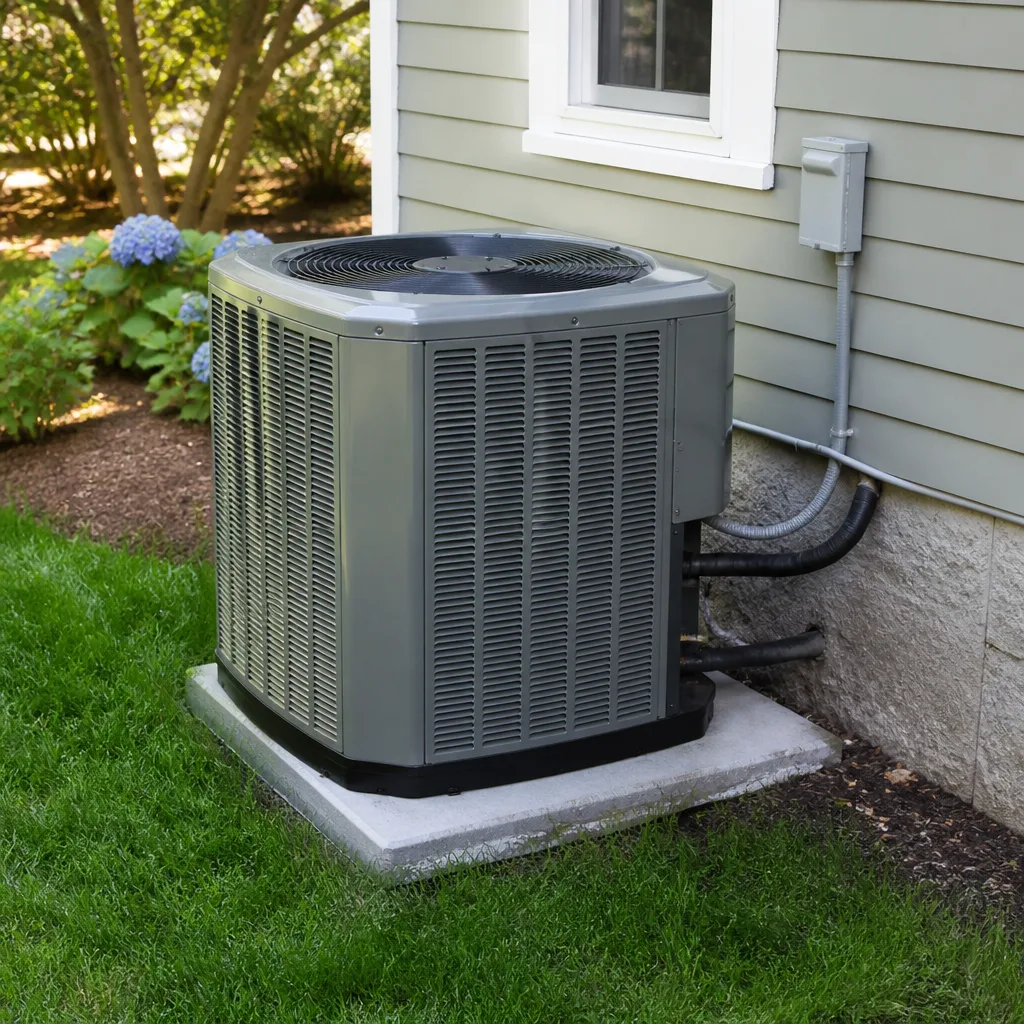 AC repair
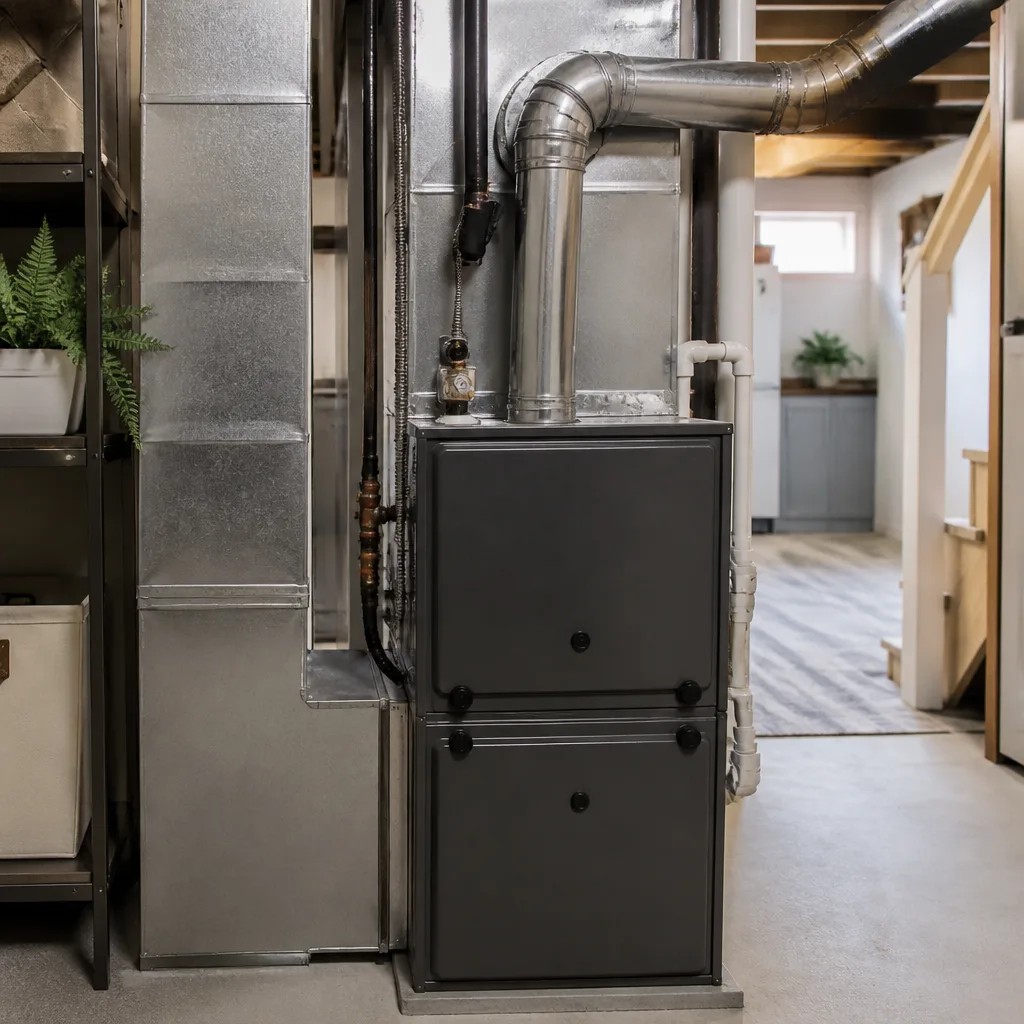 Furnace & heating
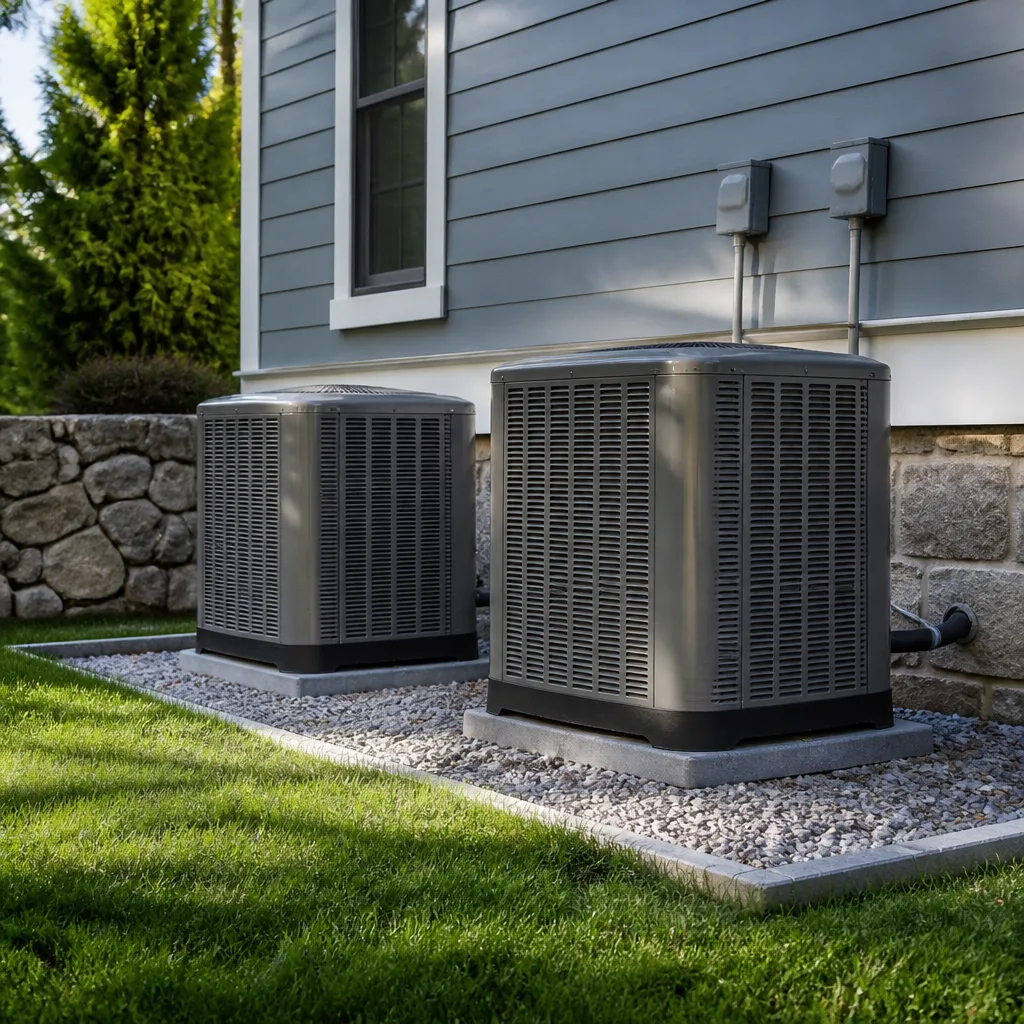 Heat pumps
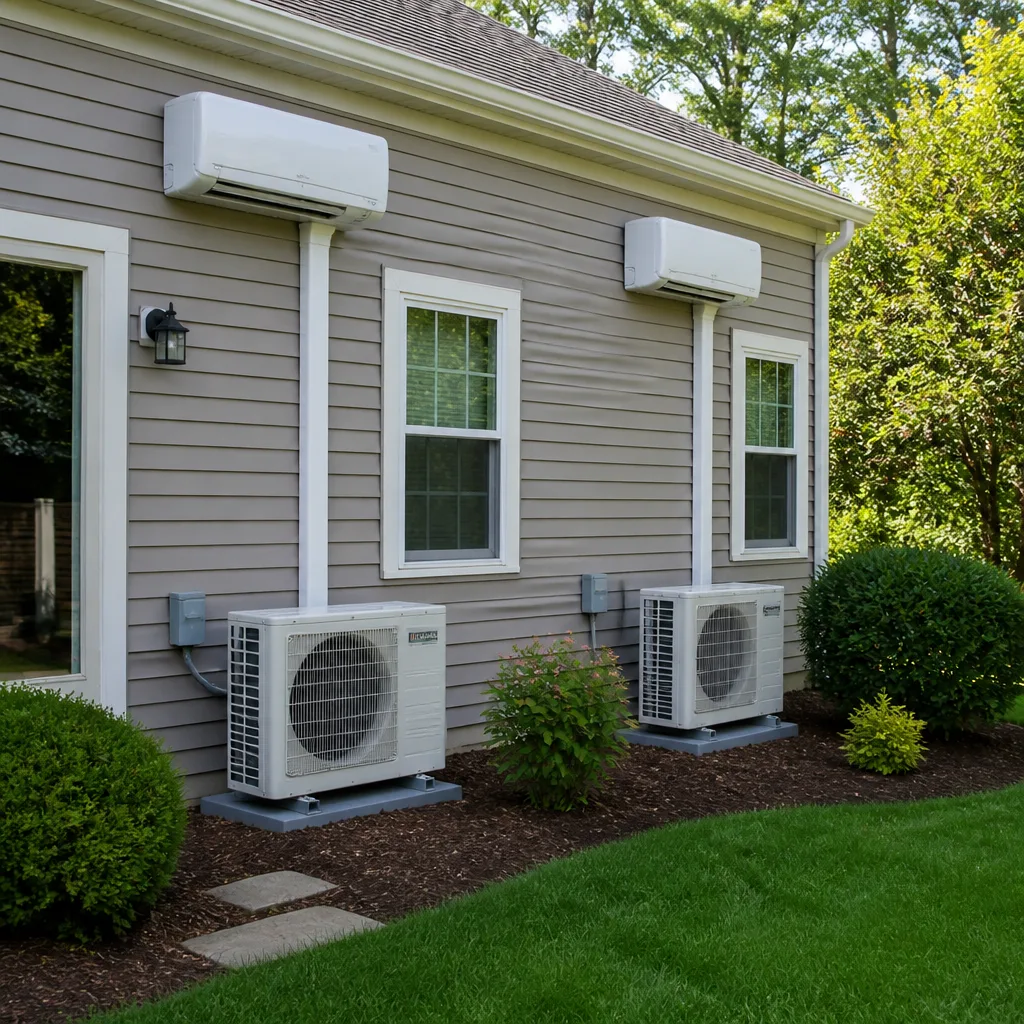 Ductless mini splits
 Carrier
 Trane
 Goodman
Seasonal tune-up and full diagnostic on your Carrier, Trane, or Goodman system - readings shown to you before any repair is proposed
Diagnosis first, numbers second - you approve the repair price before a single part goes in.
Get your free estimateAC Repair Maintenance Checklist for Pompano Beach Homeowners
Most AC maintenance checklists online are written to sell you an annual contract. They list forty tasks nobody performs and skip the two problems that actually generate service calls in Pompano Beach. Here’s the part that surprises homeowners: the single most common avoidable failure in this market isn’t a blown compressor or a refrigerant leak. It’s a blocked condensate drain line quietly filling a pan behind your air handler. In a city where the AC runs most of the year, that line grows algae faster than most people check it. This guide walks through the real failure sequence a neglected system follows in Pompano Beach, section by section, so you can catch each problem before it turns into an emergency.
Quick Answer
To maintain an AC system in Pompano Beach, flush the condensate drain line monthly, change filters every 30 to 60 days during heavy-use months, have coils inspected and cleaned once a year, and get the full system checked by a technician before hurricane season. The two items that prevent the most costly repairs are a clear drain line and clean coils. Everything else supports those two things.
Styles & brands we work with
- AC repair
- Furnace & heating
- Heat pumps
- Ductless mini splits
- Carrier
- Trane
- Goodman
Table of Contents
- Why the Condensate Drain Comes First
- Your Monthly Maintenance Routine
- Coil Inspection: Salt Air vs. Inland Properties
- What “Checking Refrigerant” Actually Means
- Choosing the Right Filter for Pompano Beach Air
- Pre-Hurricane-Season Checklist
- The Annual Professional Tune-Up: What It Should Include
- When Routine Maintenance Is Not Enough
Why the Condensate Drain Comes First
An air conditioner doesn’t just cool air. It pulls moisture out of it. On a humid Pompano Beach afternoon, your system can produce several gallons of condensate a day, all of which has to drain away through a small PVC line. When that line clogs, the water has nowhere to go but into the overflow pan, the drain pan, and eventually the ceiling or floor beneath your air handler. By the time you notice the stain, the damage is already done.
What makes the drain so problematic in South Florida is the algae growth timeline. In cooler climates, drain lines can go months without attention. Here, the warm, humid environment inside the line is essentially an incubator. Algae can start forming within weeks of the last flush, and a partial clog becomes a full block faster than most homeowners expect. Year-round system run time means year-round moisture, which means year-round algae.
A working float switch is the backup safety net. When the drain pan fills, the switch shuts the system down before water overflows. Test it every month by locating the switch on the pan or the drain line and lifting the float to see if the system stops. If the unit keeps running, the switch has failed and needs replacing. That single test is more valuable than most of the “maintenance” items you’ll find on standard checklists.
Your Monthly Maintenance Routine
Monthly maintenance takes about fifteen minutes and prevents the majority of avoidable repairs. Here’s the routine that fits how systems actually run in Pompano Beach, where outdoor humidity rarely drops low enough to give the equipment a break.
- Flush the condensate drain line. Locate the drain line access point near the indoor unit, and pour a cup of plain water or distilled white vinegar through it. Vinegar slows algae regrowth. If water backs up or drains slowly, the line is already partially blocked.
- Test the float switch. Lift the float to verify the system shuts off. Reset it and confirm the unit restarts.
- Check the filter. Hold it up to a light. If you can’t see through it clearly, replace it. In Pompano Beach’s dust and pollen climate, filters clog faster than the box instructions assume.
- Look at the outdoor unit. Clear leaves, grass clippings, and debris from around the cabinet. Make sure the fan spins freely and nothing is blocking airflow.
- Check the indoor drain pan. Look for standing water or rust. Any water in the pan means the drain is restricted.
- Listen to the system. New rattles, grinding, or clicking on startup are early warnings worth investigating before they become noise you can’t ignore.
None of these steps require tools or technical skill. What they require is consistency. The Pompano Beach homes that avoid emergency calls aren’t the ones with newer equipment; they’re the ones where somebody flushes the drain line on a schedule. If you’d rather have a professional handle the whole routine, AC repair visits include a full drain check and float switch test.
Coil Inspection: Salt Air vs. Inland Properties
Coil condition is the second biggest driver of performance loss in this climate, and where your home sits changes how fast it happens. Properties close to the Intracoastal, the beach, and the ocean-facing neighborhoods see faster coil degradation than inland Pompano Beach addresses further west. Salt-laden air accelerates corrosion on the outdoor condenser coil, while constant humidity speeds up biological growth on the indoor evaporator coil.
Here’s the split in cadence we recommend:
- Homes near the water: annual coil inspection, sometimes twice a year. The outdoor coil especially should be rinsed monthly during pollen season to reduce the buildup of salt residue and debris. Look for blue-green corrosion on the coil fins.
- Inland properties: annual inspection is sufficient in most cases. The main threat is dust and pollen accumulation, not salt corrosion.
- Newer construction or homes near active development: monthly rinses of the outdoor coil during construction dust seasons. Concrete and stucco dust coats coil fins faster than natural debris.
Dirty coils don’t just cool worse. They strain the compressor because the system has to run longer to hit the thermostat setting. A coil that hasn’t been cleaned in two years can add significant runtime, driving up your electric bill while shortening equipment lifespan. If you’ve noticed rising bills without a change in behavior, the coil is one of the first things to check.
What “Checking Refrigerant” Actually Means
“We checked your refrigerant and it’s fine” is a phrase that means nothing on its own. Refrigerant isn’t consumed by the system the way fuel is. It’s a sealed loop. If the level is low, there’s a leak, and the correct response is to find and repair the leak, not top off the charge. Any technician who adds refrigerant without addressing a leak is treating a symptom while the real problem gets worse.
A proper refrigerant check involves a few specific actions:
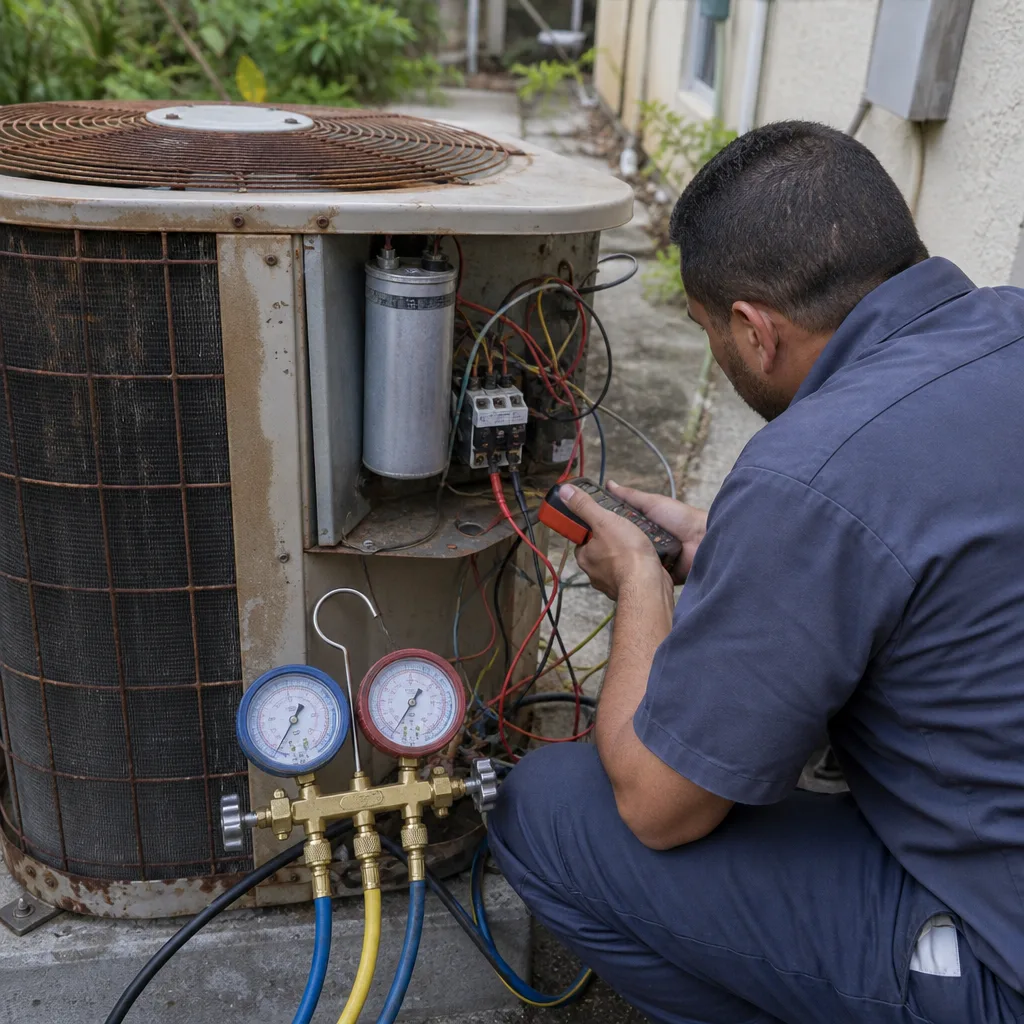
- Measuring superheat and subcooling. These are temperature differentials across the evaporator and condenser that tell the technician whether the system is correctly charged. Just checking pressure without these numbers is incomplete.
- Visual inspection of the line set and coil connections. Signs of oil residue near a fitting often indicate a slow leak.
- Electronic leak detection or pressure testing if superheat or subcooling readings are outside spec. Different refrigerant types behave differently, which is why brand and model familiarity matters. Goodman and Rheem systems, among others, have their own specific charge specifications.
This is not a DIY item. Refrigerant is handled under specific federal rules, and the work requires gauges, hoses, and training to interpret correctly. But you can evaluate your technician by asking two questions: What were the superheat and subcooling readings? And did you find any sign of a leak? A good tech answers both without hesitation.
Choosing the Right Filter for Pompano Beach Air
Filter selection is where homeowners get sold on the wrong product. The instinct is to buy the highest MERV-rated filter available, assuming more filtration is better. In practice, an over-restrictive filter can choke a system designed for lower airflow, forcing the blower to work harder and reducing cooling efficiency. The right filter is the one rated for your equipment’s airflow capacity, changed on schedule.
Pompano Beach’s air profile has three specific concerns: high humidity, heavy pollen from year-round vegetation, and construction dust from the ongoing development throughout the area. Here’s how to match filter choice to those conditions:
- MERV 8 to MERV 11 handles the pollen and construction dust without restricting airflow in most residential systems. This is the practical sweet spot for most Pompano Beach homes.
- MERV 13 only if your equipment’s manufacturer specifies it and airflow can support it. Higher filtration catches smaller particles but adds resistance, and the tradeoff isn’t worth it if it degrades performance.
- Change intervals of 30 to 60 days during heavy run periods. A filter that looks gray at day 30 will be noticeably restrictive by day 60.
If you’re unsure what your system can handle, check the specification on the air handler or ask whoever services your equipment. Matching the filter to the system prevents blowing money on filters that actually damage performance. That is the kind of thing Valor AC Repair verifies on every service visit.
Pre-Hurricane-Season Checklist
Standard maintenance templates were written for temperate climates and skip the items that matter most before a South Florida storm season. A hurricane creates two distinct threats to your AC system: water intrusion through a blocked drain, and wind damage to the outdoor unit. Both are preventable.
- Test the condensate overflow shutoff. During a storm, the system runs while you’re indoors with the windows closed. If the drain clogs and the float switch fails, water can damage the interior of your home at the worst possible time. Test it and replace any switch that doesn’t reliably shut the system off.
- Secure or strap the outdoor unit. Hurricane-rated straps or brackets hold the condenser in place during high winds. An unsecured outdoor unit can shift, damage the line set, and create a serious hazard. Check the straps for rust and tightness.
- Clear the outdoor area. Trim shrubs back from the condenser and remove anything within a few feet that could become a projectile. Loose debris becomes wind-borne debris.
- Confirm drain discharge location. Make sure the condensate drain exits somewhere that won’t back up during heavy rain. A drain line that dumps onto a pathway or near a foundation can create issues when the ground is saturated.
- Document system condition. Note the model and serial numbers on the indoor and outdoor units before storm season, so you have them ready if you need to make an insurance claim afterward.
If your unit is a Lennox, Trane, or York system, check who in your area is equipped to inspect it properly before the season starts, not after something fails. Waiting until August to look for a technician can mean waiting.
The Annual Professional Tune-Up: What It Should Include
An annual tune-up is worth having, but not every tune-up is created equal. Some contractors perform a checklist of surface-level items (wipe down, check the filter, verify the thermostat) and call it done. A real inspection goes deeper and, importantly, produces a written report of what was found.
A proper annual tune-up in a Pompano Beach home should include:
- Full coil cleaning (evaporator and condenser)
- Drain line flush and flow test
- Float switch and overflow shutoff verification
- Refrigerant superheat and subcooling measurement
- Electrical connections tightened and tested
- Capacitor and contactor inspection
- Blower motor amperage check and belt inspection if applicable
- Thermostat calibration and cycle testing
- Condensate pan cleaning
What separates a good tune-up from a bad one is documentation. You should leave with a written record of what was measured, what was found, and what (if anything) needs attention. Technicians at Valor AC Repair aren’t paid on what they sell, so a tune-up produces an honest report rather than a pitch. Our team works on nine major brands, including Carrier, Trane, Daikin, Bryant, and American Standard, which means we can service the system you already have rather than pressure you toward one brand.
When Routine Maintenance Is Not Enough
Maintenance prevents problems. It doesn’t eliminate them. Some symptoms mean it’s time to stop checking and call for a diagnosis. These include: refrigerant that keeps running low (meaning a leak that needs locating), the system that won’t cool below a certain temperature regardless of thermostat setting, repeated tripped breakers or blown fuses, water pooling inside the home, unusual noises on startup, or intermittent operation where the unit cycles on and off every few minutes.
Some of those point to compressor issues, some to electrical faults, and some to refrigerant leaks. Each one has a different repair path. The worst response is to keep running the system hoping the problem clears up on its own, which in Pompano Beach’s heat usually means the equipment runs under strain until it fails completely, often at the worst time of year.
If you’re not sure whether a symptom warrants a call, ask yourself: has it been happening for more than a few days, or has it gotten worse? If the answer is yes, it’s time to get it looked at. You can reach a technician by calling (844) 952-3433. We answer 24/7, with fast dispatch from 7am to 7pm.
Common Mistakes to Avoid
- Skipping the drain line flush because “it looks fine.” The worst drain clogs are invisible until water is on your drywall. Algae grows silently. Flush monthly regardless of how the drain seems to be doing.
- Buying the highest-MERV filter available. More filtration isn’t always better. A filter that restricts airflow forces the system to work harder and can shorten equipment life. Match the filter to what your system was designed for.
- Assuming you need a new system when the fix is a capacitor. Failing capacitors are one of the most common reasons an AC unit won’t start in the heat. It’s a low-cost part that gets replaced quickly. Don’t let anyone talk you into a full replacement on that symptom alone.
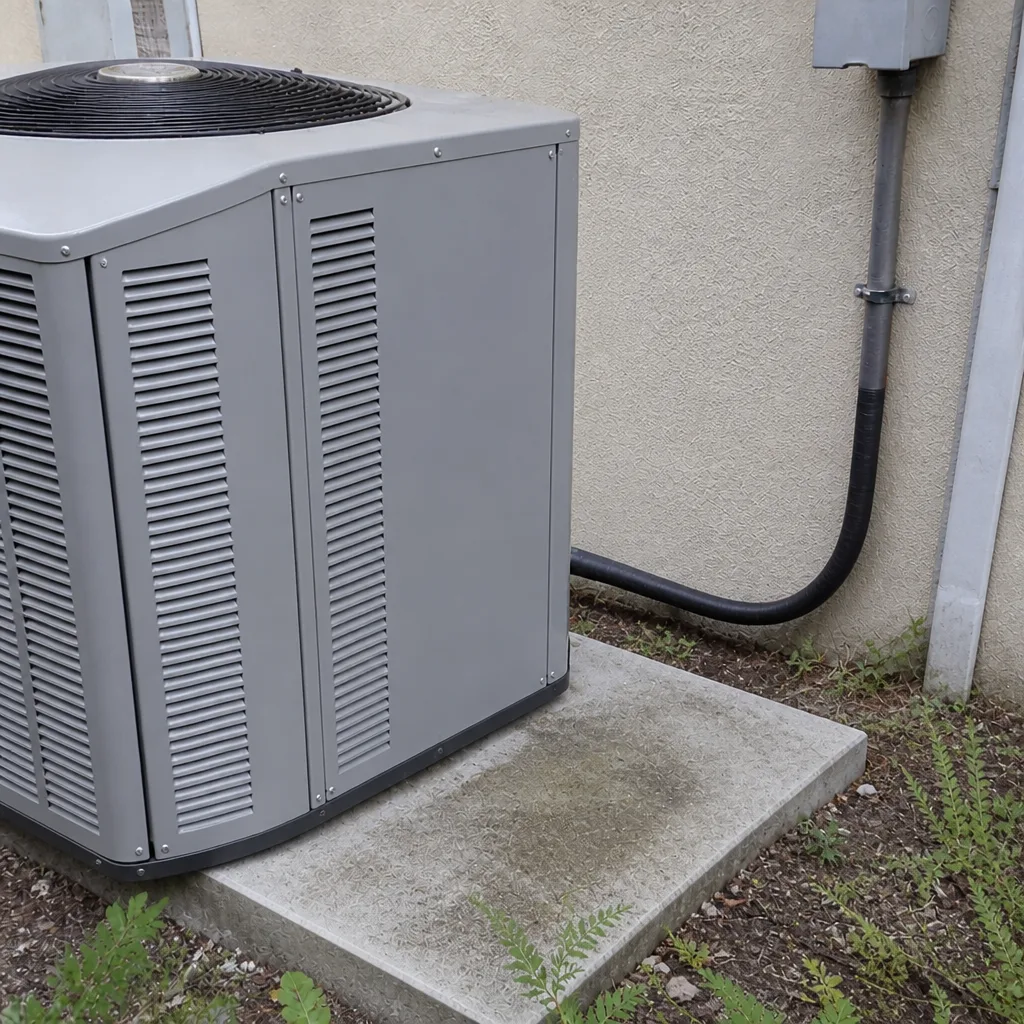
- Ignoring the outdoor unit because it’s outside. The condenser coil is where a lot of performance loss happens. If you only maintain the indoor half of the system, you’re missing critical parts of the job.
- Topping off refrigerant instead of finding the leak. A system that’s low on refrigerant has a leak. Adding gas without finding the source just delays the problem and sometimes makes it worse.
- Waiting until August to schedule a tune-up. By the time summer is in full swing, technicians are booked fastest. Getting the annual inspection done in the spring means you catch problems before they become urgent.
- Not knowing the model and serial numbers. If the unit fails or needs warranty work, you’ll need those numbers. Photograph the nameplate and keep it where you can find it.
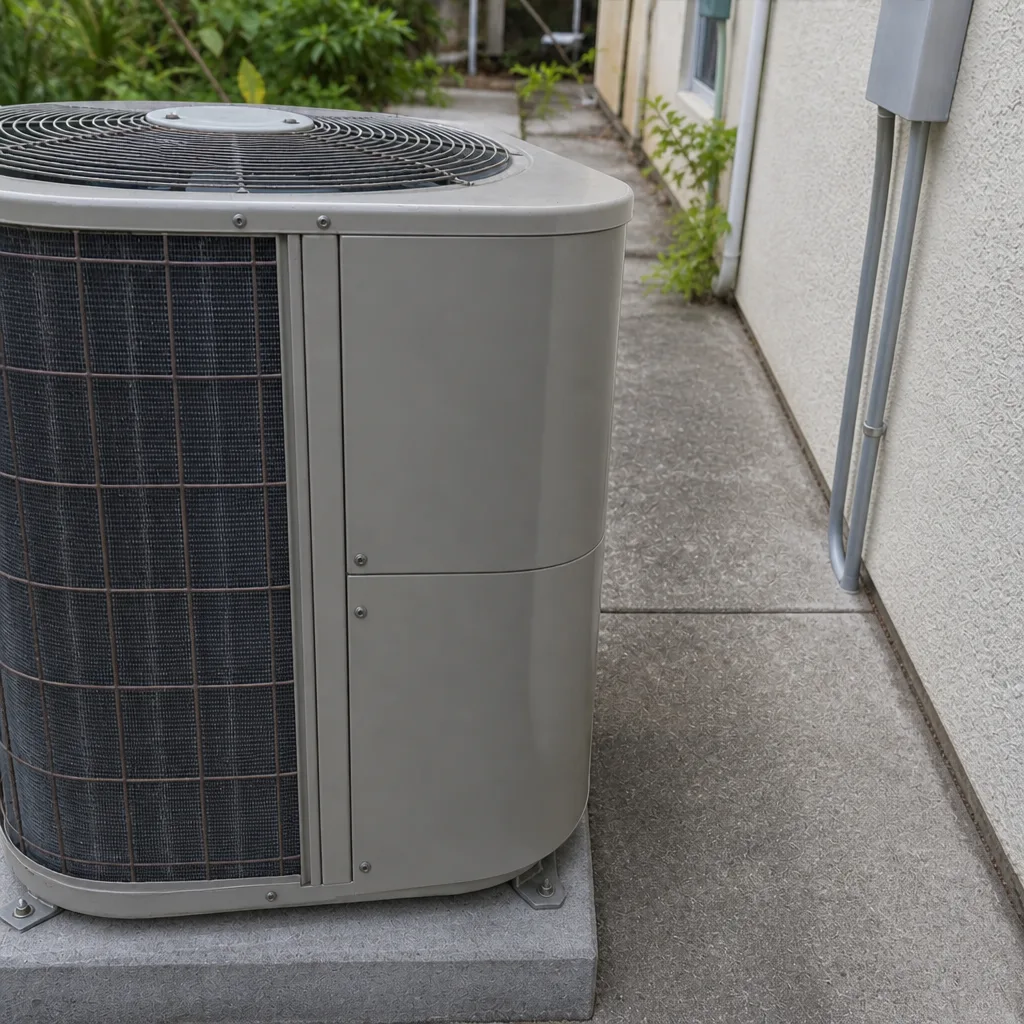
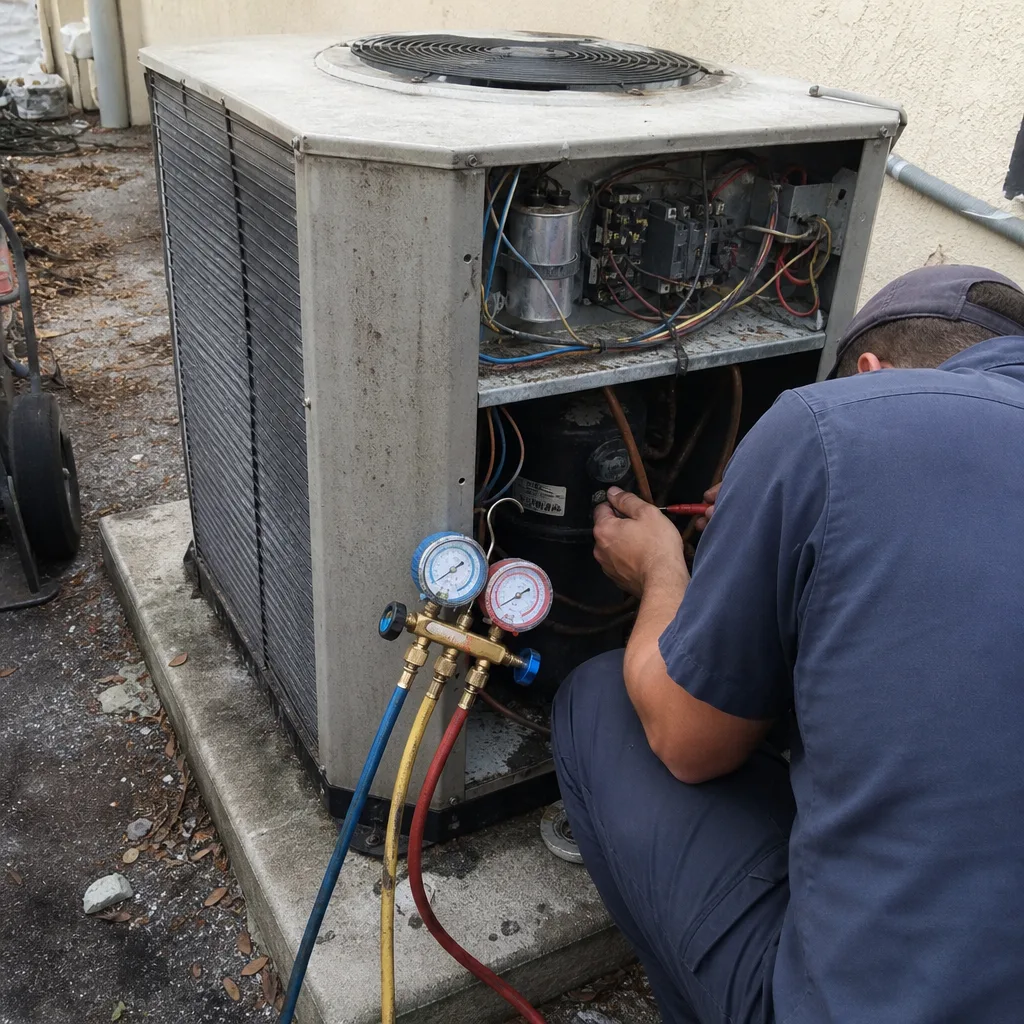
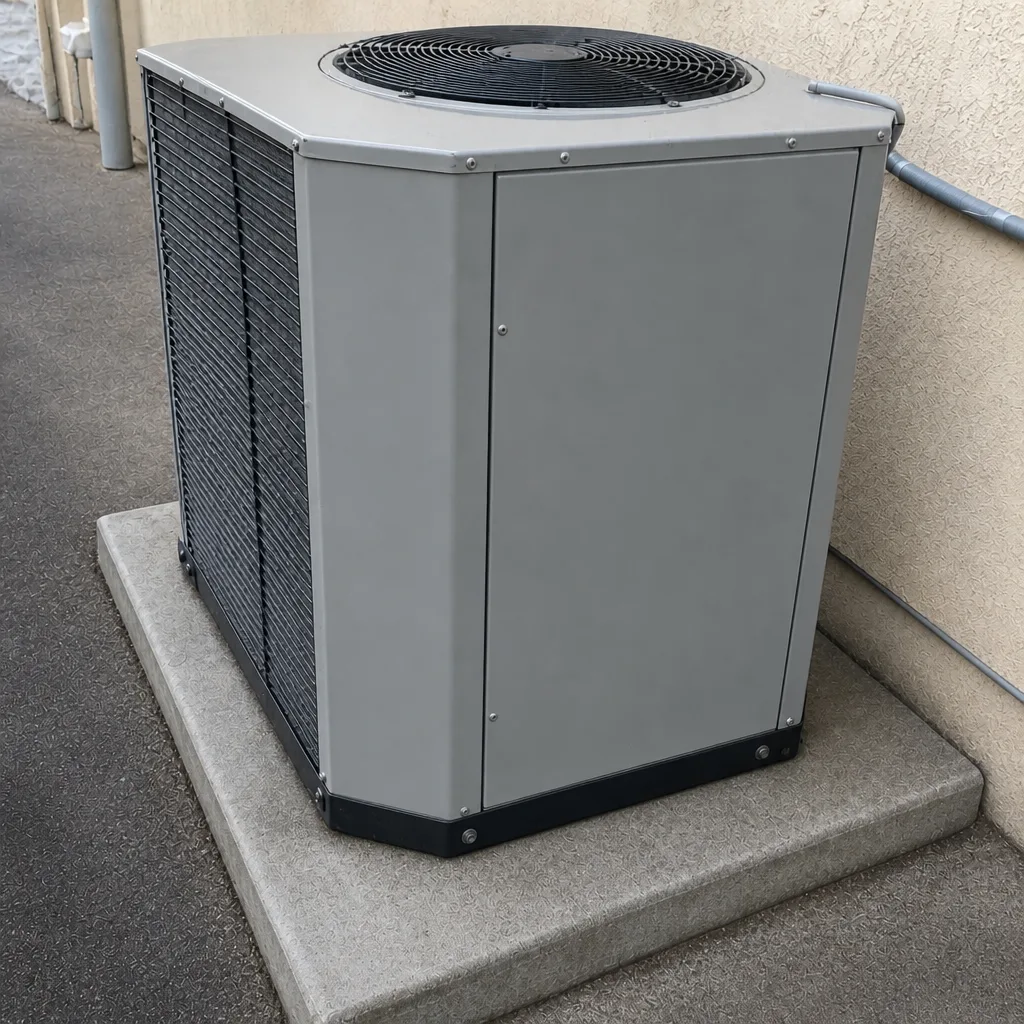
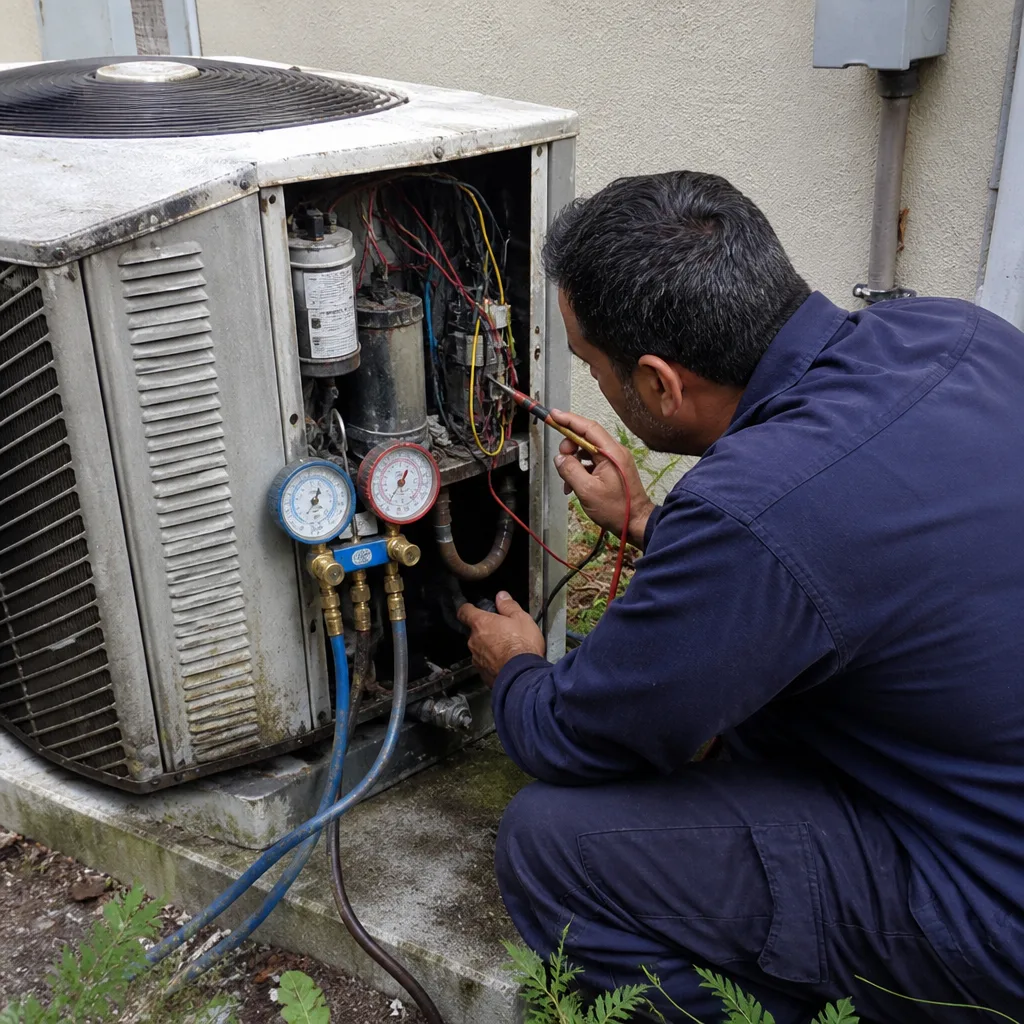
See the difference
 Before
 After
 Before
 After
 Before
 After
When to Call a Professional
Call a professional when your system shows symptoms you can’t diagnose on your own: refrigerant leaks, electrical faults, compressor noise, or persistent cooling failures. But also call for the annual inspection if you want a trained eye to verify what routine maintenance can’t reach. You don’t need a problem to justify a service call.
If you’ve followed the checklist and something still isn’t working, it’s not a maintenance failure. It’s a repair that needs a proper diagnosis. Valor AC Repair offers free estimates in Pompano Beach. Call (844) 952-3433. We answer 24/7, with fast dispatch from 7am to 7pm. Our technicians have up to 8 years of experience and work on the major brands already in your home, so you get a diagnosis specific to your equipment, not a sales pitch.
Frequently Asked Questions
Monthly. Pompano Beach’s year-round heat and humidity make drain lines grow algae faster than most maintenance guidelines assume. Pouring a cup of vinegar through the line once a month keeps the growth from gaining a foothold and prevents the most common avoidable service call in this market. If you notice the line draining slowly before the month is up, flush it again. Slow drainage is the earliest warning sign, and it’s easier to address than water damage.
You can’t tell from the outside. A system that’s not cooling could be low on refrigerant, but it could also be a failing capacitor, a dirty coil, a blocked drain triggering the float switch, or a compressor issue. A technician needs to check superheat and subcooling readings and look for signs of a leak to know which. Call (844) 952-3433 if you’re not sure. We answer 24/7, and an accurate diagnosis is the only way to get the right repair.
MERV 8 to MERV 11 is the practical choice for most Pompano Beach homes. It filters the pollen and construction dust that’s common in the area without adding too much resistance to airflow. MERV 13 should only be used if the manufacturer specifies it and the system can support the higher pressure drop. When in doubt, check the air handler’s specification before buying anything.
Test the condensate overflow shutoff, secure or strap the outdoor unit, clear debris from around the condenser, confirm the drain discharge location, and document your unit’s model and serial numbers. The shutoff test isn’t optional; a drain overflow during a storm while the house is sealed can cause serious interior damage. Getting this done before the season starts matters more than checking it afterward.
No. Monthly tasks handle the accessible items, but annual inspection checks what you can’t reach: refrigerant readings, coil cleanliness inside the cabinet, electrical connections, and blower performance. Those are the items that catch problems early. A professional tune-up also produces a written record of your system’s condition, which makes it easier to spot changes year to year. If you’d like to schedule one, call (844) 952-3433.
It depends on the age of the unit, the cost of the repair, and how many repairs it’s needed recently. A newer system that needs one repair is usually worth fixing. An older system facing a compressor or coil replacement might not be, but that’s a math problem, not a sales problem. Our team handles both AC repair and AC installation under the same roof, so we can lay out both options honestly. Repair or replace isn’t a brand question; it’s a question of what makes sense for the equipment you have.
The Bottom Line
Most AC damage in Pompano Beach is predictable, and most of it starts with the condensate drain. Keep the drain clear, test the float switch monthly, change filters on schedule, and get an annual inspection that includes real refrigerant measurements and coil cleaning. Those four habits prevent the majority of emergency calls. The extra items, like hurricane-season securing and coil inspection matched to your home’s proximity to the water, close the gaps that generic checklists leave open. None of this requires a maintenance contract. It requires a routine you’ll actually follow, and a technician you can trust when something needs professional hands. That’s the whole checklist. Everything else is detail.
Written by the team at Valor AC Repair.