
Last updated November 15, 2026
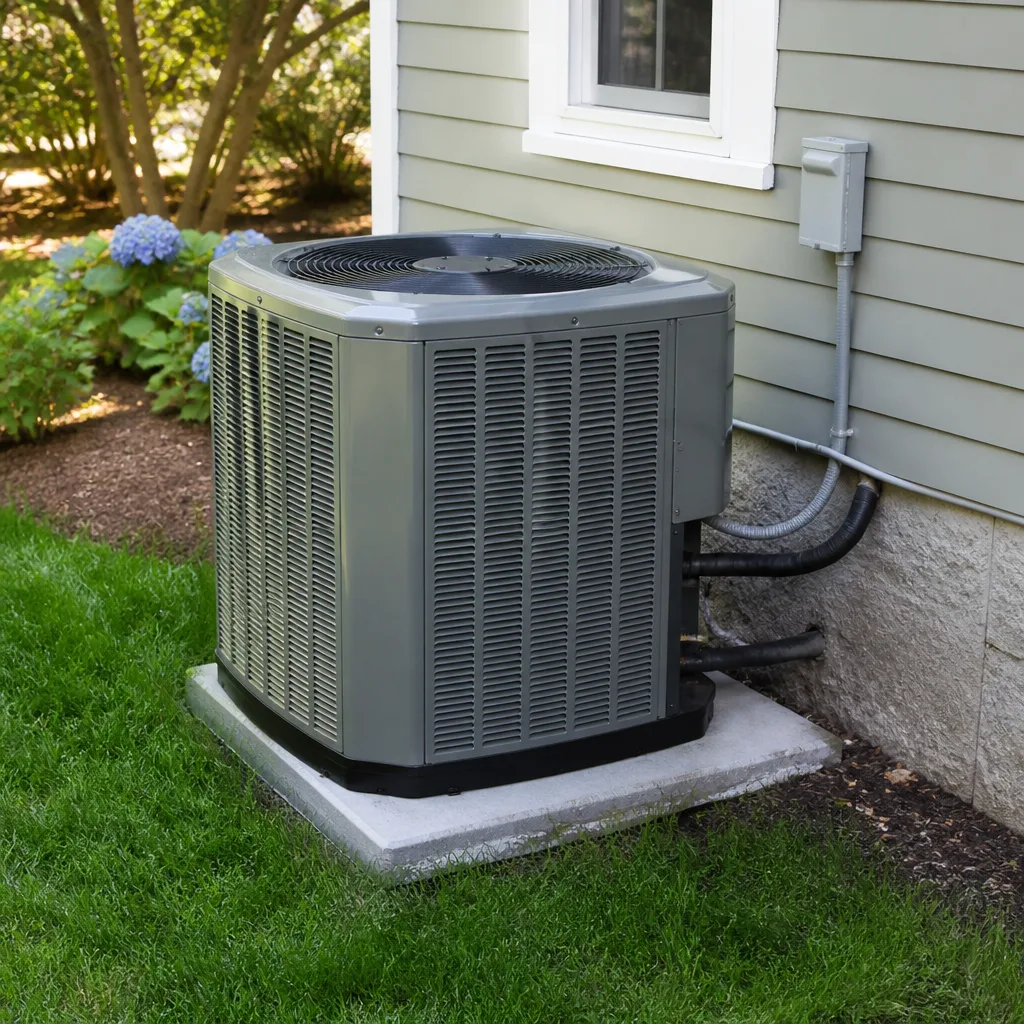 AC repair
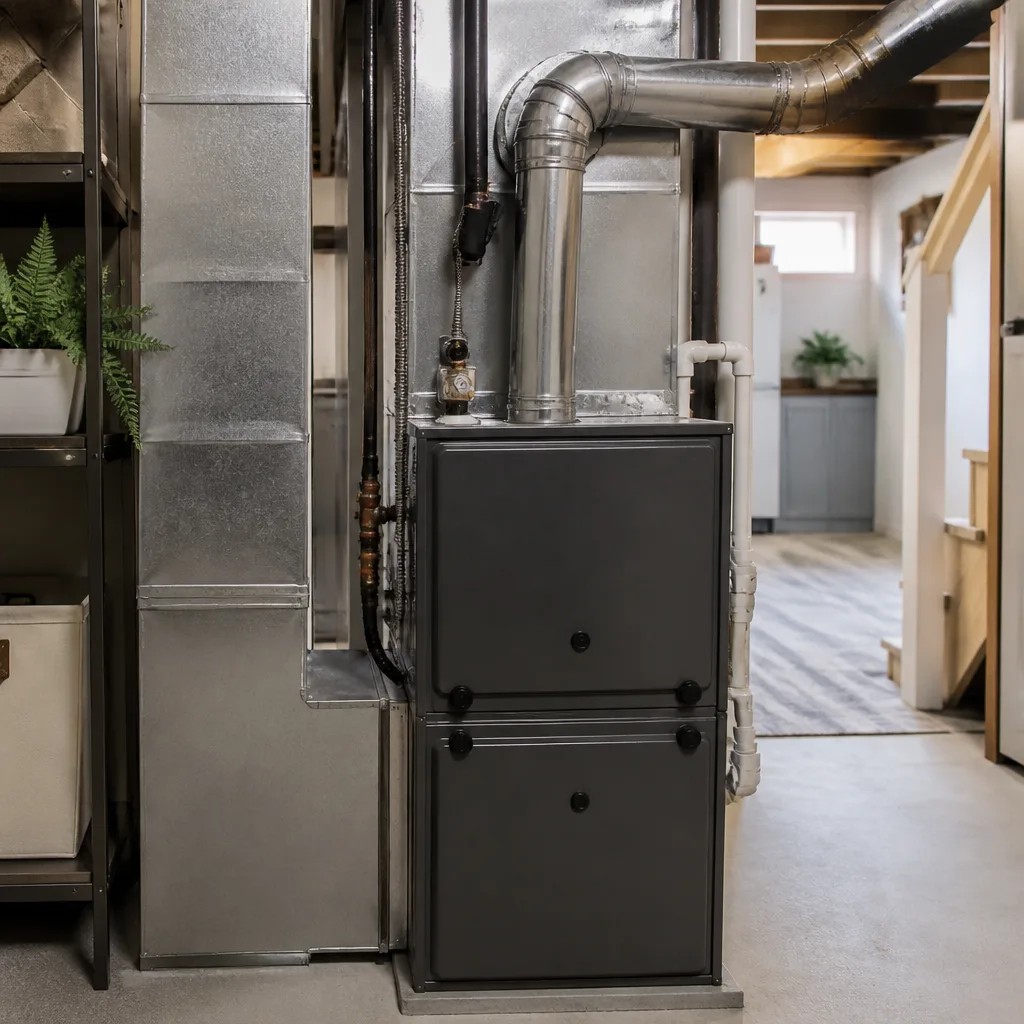 Furnace & heating
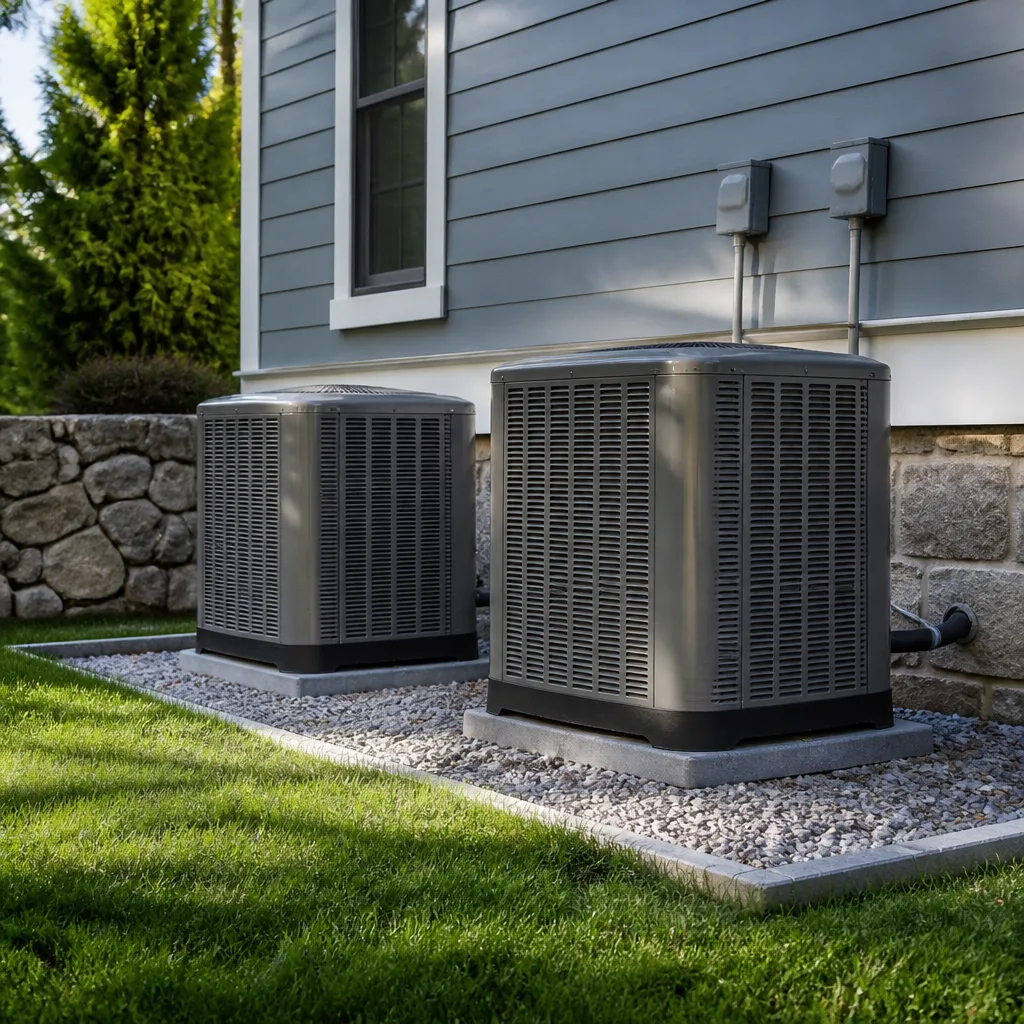 Heat pumps
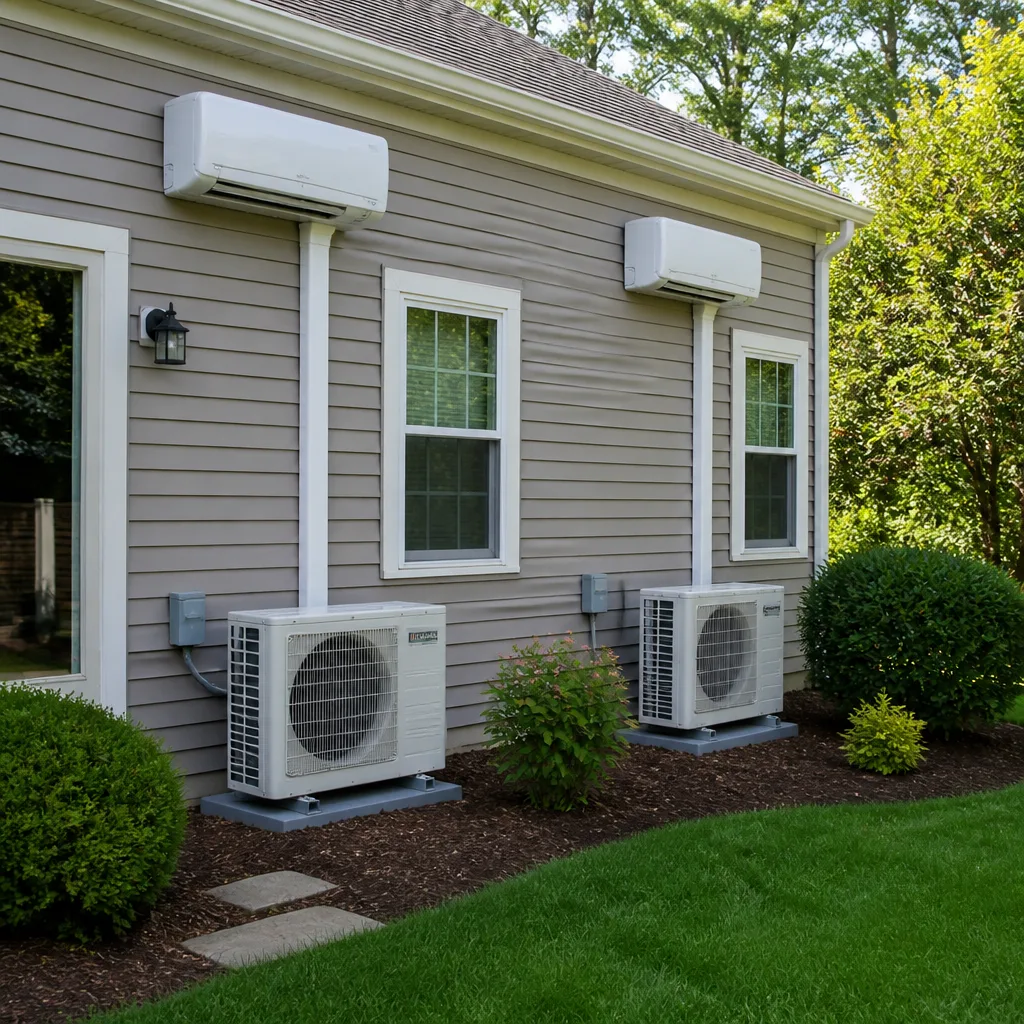 Ductless mini splits
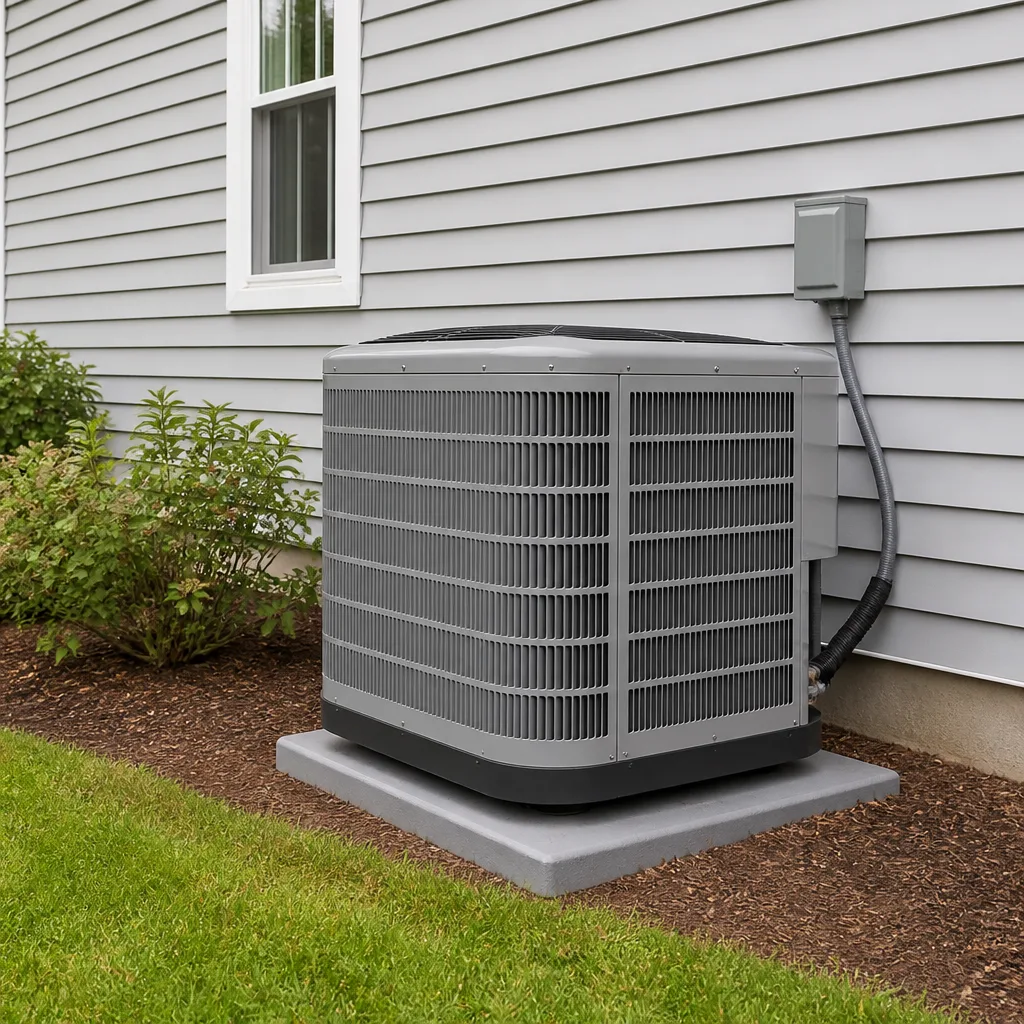 Carrier
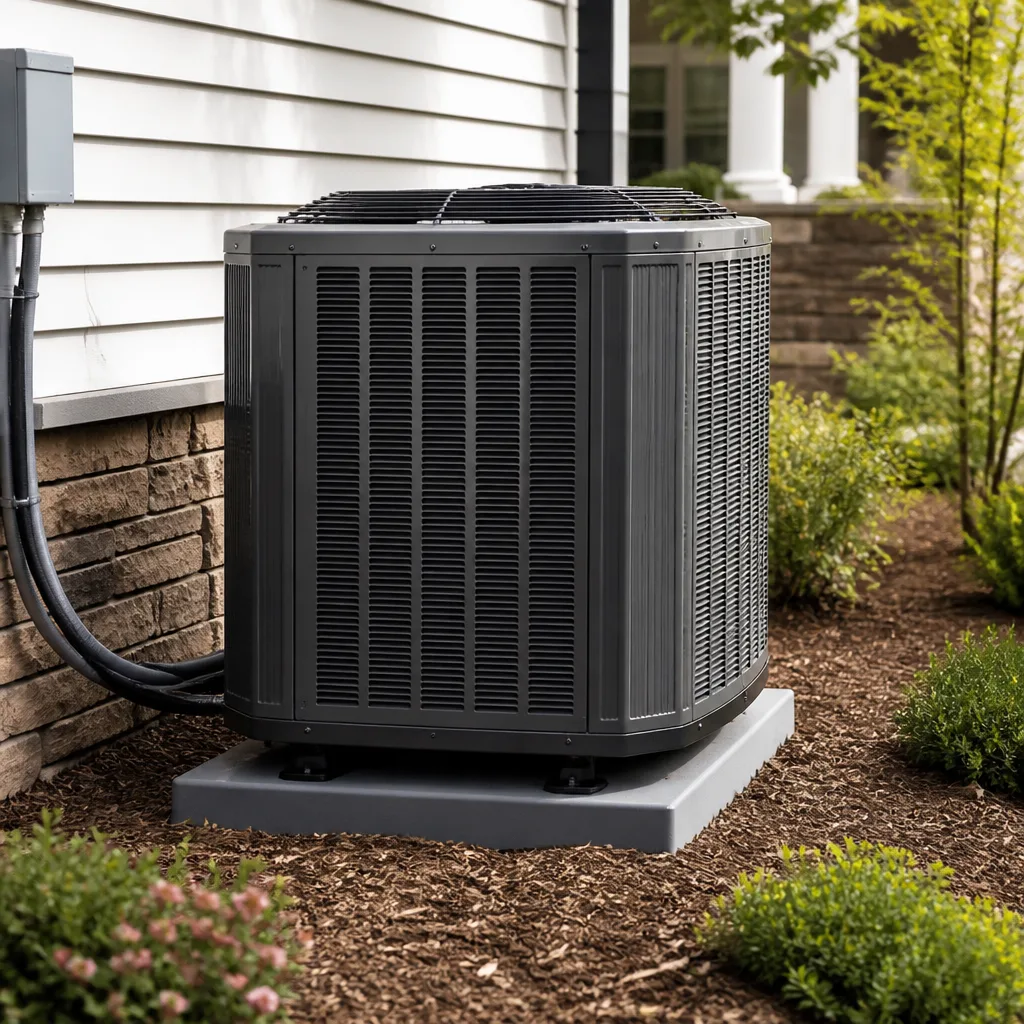 Trane
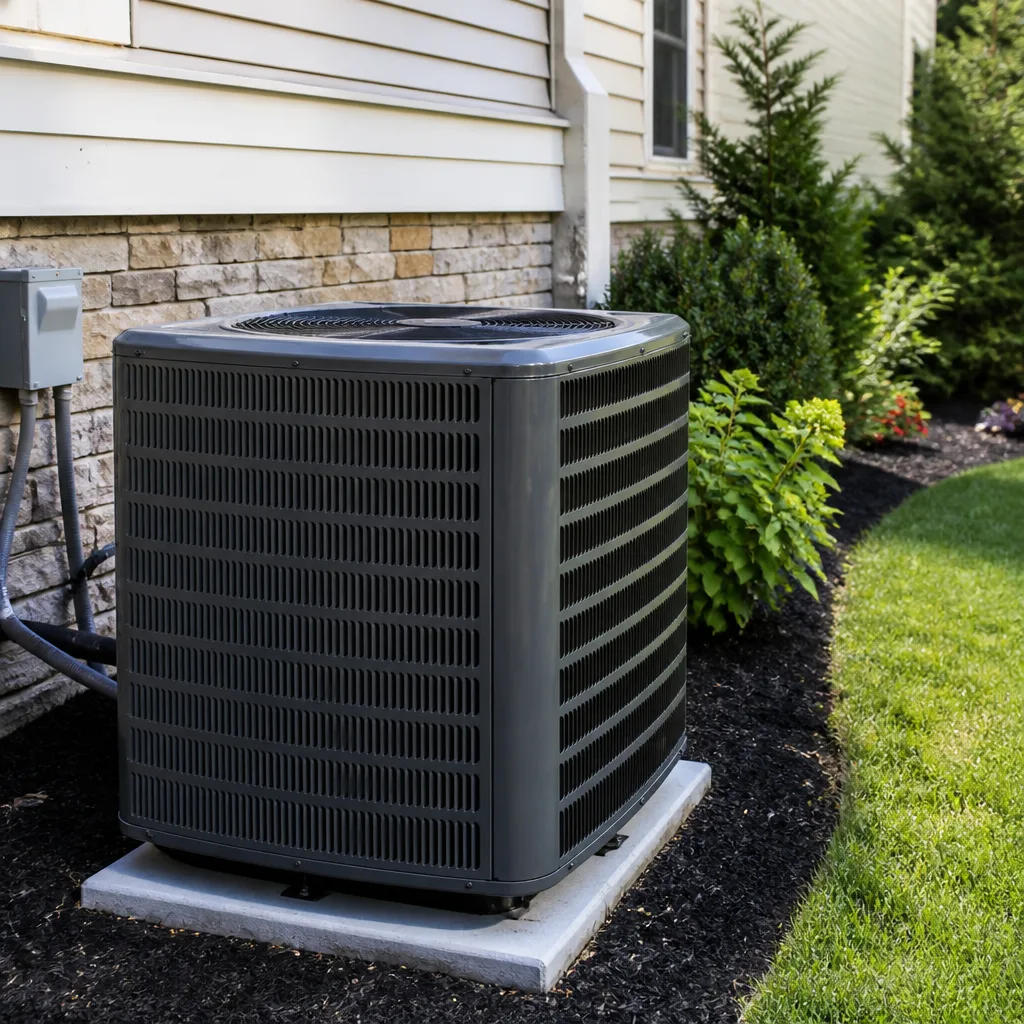 Goodman
Seasonal tune-up and full diagnostic on your Carrier, Trane, or Goodman system - readings shown to you before any repair is proposed
Diagnosis first, numbers second - you approve the repair price before a single part goes in.
Get your free estimateAC Repair Troubleshooting in Pompano Beach: Common Problems and How to Fix Them
The words that cost homeowners the most aren’t a fake part number or a padded labor line. They’re “we found another problem.” That sentence usually shows up when the first technician treated a symptom instead of a cause, and the real failure kept running until something bigger broke. Most AC trouble in Pompano Beach falls into four familiar patterns, and a homeowner who can tell which one they’re facing walks into the service call with real leverage. This guide is about pattern recognition, not false confidence. You’ll learn what each symptom points to, what you can safely check yourself, and what to hand a technician so the diagnosis takes minutes instead of hours.
Styles & brands we work with
- AC repair
- Furnace & heating
- Heat pumps
- Ductless mini splits
- Carrier
- Trane
- Goodman
Quick Answer
AC problems in Pompano Beach usually trace back to one of four root causes: restricted airflow from a clogged filter or dirty evaporator coil, a refrigerant leak, a failing blower motor or capacitor, or a blocked condensate drain backing water into the pan. Warm air, short cycling, ice on the coil, and water pooling each point to a different failure chain. You can safely narrow the diagnosis with your thermostat, breaker panel, and drain access port before calling anyone, and describing what you find lets a technician confirm the cause fast.
Table of Contents
- The Symptom-to-Cause Matrix for South Florida Systems
- What You Can Safely Check Before Calling
- Warm Air From the Vents: What It Means
- Short Cycling and What It Signals
- Ice on the Coil: Why It’s Never Normal
- Water Pooling Around the Air Handler
- Why “It’s Just Low on Refrigerant” Is Rarely the Whole Answer
- Dirty Coil vs. Failing Blower Motor: Same Symptom, Different Bill
- What to Document Before the Technician Arrives
- Common Mistakes to Avoid
- When to Call a Professional
- Frequently Asked Questions
- The Bottom Line
The Symptom-to-Cause Matrix for South Florida Systems
Air conditioning in Pompano Beach runs under load most of the year, and that constant demand pushes certain failures to the front of the line. A system here doesn’t get the seasonal rest that units in cooler climates do, so small problems surface faster and compound sooner. Instead of guessing, match what your system is doing to the cause it most often points to. This matrix is the fastest way to organize your own observations before you pick up the phone.
- Warm air, system running: refrigerant leak, a failed compressor, or airflow so restricted the coil can’t absorb heat. Check the filter and the breaker first.
- Short cycling (unit turns on and off every few minutes): an oversized or undercharged system, a failing capacitor, a thermostat reading wrong, or a coil freezing and thawing in a loop.
- Ice on the indoor coil or the refrigerant line: low refrigerant from a leak, or restricted airflow from a dirty filter or coil. Ice is always a symptom, never a fix.
- Water pooling near the air handler: a clogged condensate drain line, a cracked drain pan, or a frozen coil melting faster than the drain can carry it away.
- Weak airflow with a cool coil: a dirty evaporator coil, crushed or disconnected duct, or a blower wheel caked with debris.
- Loud humming with no fan movement: a failed capacitor or a blower motor on its way out.
Each row is a starting point, not a verdict. The matrix narrows the field so the technician knows where to look. In our experience, homeowners who arrive at a call with one or two clear observations get a faster, more accurate diagnosis than those who only know “it’s not working.” If you’d rather skip the detective work, our AC repair team handles the full diagnosis for you.
What You Can Safely Check Before Calling
Before you call anyone, three simple checks will rule out the most common false alarms and point you toward the real problem. None of them require opening a panel or touching refrigerant lines, and all of them take a few minutes. Do these first, then write down what you find. Here’s how to work through them in order.
- Thermostat: Confirm the mode is set to Cool, the fan is on Auto, and the setpoint is at least a few degrees below room temperature. Replace the batteries if it’s a battery model. A thermostat in the wrong mode or with dead batteries mimics a total system failure and costs nothing to fix.
- Circuit breaker: Find the breaker labeled for the AC (usually a double-pole breaker in the main panel) and check whether it has tripped to the middle position. Reset it once. If it trips again immediately, stop and call a professional; a breaker that won’t hold points to an electrical fault that isn’t safe to chase on your own.
- Drain line access port: Locate the condensate drain and its access port (often a capped tee near the indoor unit). If you see standing water in the pan or the line looks clogged with debris, note it. Don’t pour anything in or snake it yourself; just record what you observe.
These checks narrow the diagnosis without putting you near high-voltage components or refrigerant, both of which belong to a trained technician. Electrical panels and refrigerant systems carry real hazards, so keep your hands out of the cabinet. If your checks point to an electrical or refrigerant issue, that’s exactly when a pro should take over.
Warm Air From the Vents: What It Means
Warm air from a running system means the unit is moving air but not removing heat. That narrows things to three broad families: the refrigerant charge, the compressor, or the airflow across the coil. The first thing to check is your filter. A filter packed with dust starves the coil of air, and a starved coil can’t cool. If the filter is clean and the air is still warm, the problem is in the refrigerant circuit or the compressor, and that’s a technician’s job.
In Pompano Beach, warm air complaints spike when systems have been running hard through a stretch of hot weather. A unit that was marginal in milder months can finally lose capacity when the load stays high. If you notice the air is cool at the register closest to the air handler but warm at the far end of the house, the issue is more likely duct-related than refrigerant-related. Crushed flex duct in an attic, a disconnected run, or a damper stuck closed will all make distant rooms warm while the unit itself is fine.
- Cool at one vent, warm at another: suspect duct problems or a zone damper, not the charge.
- Warm everywhere, filter clean: suspect refrigerant leak, low charge, or compressor trouble.
- Warm air with ice on the lines: low refrigerant or restricted airflow; stop running the system and call.
If you’re weighing whether the system is worth fixing at all, that’s a separate conversation, and one we’re glad to have. Repair or replace, we’ll tell you which one actually makes sense based on the equipment in front of us. But first, get the warm-air cause identified.
Short Cycling and What It Signals
Short cycling is the unit turning on and off in short bursts instead of running a full cooling cycle. It’s one of the most misread symptoms because it can feel like the system is “working” when it’s actually wearing itself out. Each start-up draws a surge of current, so frequent cycling stresses the compressor and the capacitor far more than a long, steady run would. Catching it early saves money.
There are a few common causes. A thermostat placed in a spot that reads temperature wrong, like near a vent or in direct sun, will call for cooling and cut out at the wrong times. A failing run capacitor stops the compressor or fan from starting cleanly, so the system trips and retries. An oversized system cools the space too fast and shuts off before it removes humidity, which is its own problem in a humid climate. And a coil that freezes and thaws can cycle the system in a repeating loop.
- Note how often the unit cycles and for how long it runs each time.
- Check whether the thermostat is near a heat source, a supply vent, or direct sunlight.
- Listen for a click-hum-stop pattern at the outdoor unit, which points to a capacitor.
- Look for ice on the indoor coil; if you see it, stop running the system.
Short cycling is a diagnostic puzzle, and it’s one a technician can usually solve quickly with the right observations. The pattern you record is worth more than a guess.
Ice on the Coil: Why It’s Never Normal
Ice on an air conditioning coil is never a good sign, and it’s never fixed by adding refrigerant alone. Ice forms when the coil gets colder than it should, which happens for two reasons: low refrigerant pressure from a leak, or airflow so restricted the coil can’t absorb heat from the air. In both cases the coil ices over, airflow drops further, and the system spirals. Turning the system off and letting the ice melt is the right first move, but it doesn’t solve the cause.
In Pompano Beach, ice complaints often follow a stretch where a filter went too long between changes. A dirty filter is the most common trigger for a frosted coil, and it’s the cheapest to fix. But if the filter is clean and the coil still ices, that points to a refrigerant leak, and leaks don’t fix themselves. A system that’s low on charge will ice again after it thaws, cycle after cycle, until the leak is found and repaired.
- Turn the system off at the thermostat and let the ice melt completely before running it again.
- Replace the filter and check whether the coil ices again after a fresh filter.
- Don’t chip or scrape the ice off the coil; you can bend the fins and cause a second problem.
- If ice returns after a clean filter, it’s a refrigerant or airflow issue for a technician.
Refrigerant work involves pressure, sealed systems, and specific handling, so it belongs to a trained professional. Our technicians work on the system you have, whatever brand, including Goodman, Rheem, and York units common in this area.
Water Pooling Around the Air Handler
Water around the indoor unit almost always comes down to the condensate system. As the coil cools the air, it pulls moisture out, and that water has to drain somewhere. When the drain line clogs, the pan cracks, or the coil freezes and melts faster than the drain can keep up, water ends up on the floor or in the ceiling. In a humid place like Pompano Beach, the condensate load is heavy, so drain problems are common and worth catching early.
A clogged drain line is the usual culprit. Algae and debris build up in the line over time, and once it’s blocked, the pan fills and overflows. Some systems have a float switch that shuts the unit off when the pan fills, which is why a “dead” system sometimes turns out to be a drain problem, not an electrical one. A cracked or rusted pan is the next most common cause, and a frozen coil melting rapidly can overwhelm a drain that’s only partly clear.
- Find the indoor air handler and look for standing water in the pan or around the base.
- Check the float switch if your system has one; a tripped float explains a unit that won’t run.
- Look at the drain line exit point for signs of a blockage.
- Turn the system off if water is actively overflowing, and call for service.
Don’t ignore water near the air handler. In an attic or ceiling install, a slow leak can damage drywall and insulation before you notice the puddle.
Why “It’s Just Low on Refrigerant” Is Rarely the Whole Answer
“It’s just low on refrigerant” sounds reassuring, and it’s almost never the full story. Refrigerant doesn’t get used up like fuel; a sealed system holds its charge for its whole life unless it leaks. So when a technician says the system is low, the real question is where the refrigerant went. Topping off the charge without finding the leak means the system will be low again, and each cycle of low charge stresses the compressor.
On a unit that’s been running in South Florida’s humid air, the leak source often shows up at the usual suspects: brazed joints, the Schrader valves, the evaporator coil, or the condenser. A technician with the right tools will pressurize the system, use an electronic leak detector, and confirm the source before adding anything. That’s the difference between a repair that lasts and a band-aid that comes back.
- Low charge means a leak exists somewhere in the sealed system.
- Finding the leak is the repair; recharging without locating it is a temporary patch.
- Repeated top-offs add up and hide the real problem while the compressor wears.
- Ask where the leak is before agreeing to any refrigerant work, and expect a straight answer.
We tell homeowners the truth about this because it’s the difference between a fix and a repeat visit. If a technician can’t tell you where the leak is, that’s a fair question to ask before you approve the work.
Dirty Coil vs. Failing Blower Motor: Same Symptom, Different Bill
Weak airflow can come from two very different places: a dirty evaporator coil restricting the air, or a blower motor that’s losing its ability to push it. Both feel the same at the vent, but the repairs are different in cost and scope, and knowing which you’re likely facing helps you ask better questions. A dirty coil is a cleaning job. A failing blower motor is a part replacement, and the two shouldn’t be confused.
A dirty evaporator coil builds up dust and biological film over time, especially in a humid climate where the coil stays wet. The film insulates the coil and blocks airflow, so the system runs longer and cools less. A failing blower motor, by contrast, may still spin but at reduced speed, or it may hum without turning at all. Capacitors often fail alongside blower motors, so a “weak blower” can actually be a cheap capacitor rather than an expensive motor.
- Dirty coil signs: gradual loss of cooling over months, musty smell, higher run times, visible buildup on the coil.
- Blower motor signs: sudden weak airflow, humming without spinning, rattling, or a motor that stops and starts.
- Capacitor signs: a motor that hums but won’t start, often after the system has been running hard.
The way to tell them apart is a technician’s airflow and electrical check, not a guess. But if the airflow dropped off slowly over a season, lean toward the coil; if it dropped suddenly, lean toward the motor or capacitor.
What to Document Before the Technician Arrives
The most useful thing you can do before a technician arrives is write down what your system is actually doing. Sounds, smells, how long it runs, what the condensate is doing, and when the problem started all shorten the diagnostic window. A technician who walks in with a clear symptom report can confirm a cause in minutes instead of working through a long checklist. That’s real leverage, and it costs you nothing but a few notes.
- Sounds: Is it clicking, humming, rattling, or silent? Does the outdoor unit sound different from normal?
- Smells: Musty, burning, or chemical? A musty smell points to the coil or drain; a burning smell means shut it down.
- Cycle times: How long does it run, and how often does it restart?
- Condensate: Is there water in the pan, is the drain line wet, or is anything overflowing?
- Thermostat and breaker: Note the mode, setpoint, and whether the breaker tripped.
Bring those notes to the call and mention the brand of your equipment. We service Carrier, Trane, Lennox, Goodman, Rheem, York, Daikin, Bryant, and American Standard, so there’s a good chance the technician already knows your system’s layout.
Common Mistakes to Avoid
Most of the costly mistakes in AC troubleshooting come from acting on a guess instead of a diagnosis. Here are the ones we see most often in Pompano Beach, and why each one backfires.
- Adding refrigerant without finding the leak. This treats the symptom and leaves the leak in place, so the system runs low again and the compressor takes the wear. Find the leak first.
- Chipping ice off the coil with a tool. The fins bend easily and a bent coil restricts airflow worse than before. Let the ice melt with the system off.
- Ignoring a tripped breaker that won’t reset. A breaker that trips again immediately points to an electrical fault. Repeatedly resetting it is unsafe; call a professional.
- Skipping the filter. A clogged filter is the cheapest, most common cause of icing and weak airflow. Change it before assuming the worst.
- Opening the electrical panel or refrigerant lines yourself. Both carry real hazards and belong to a trained technician. Keep your hands out of the cabinet.
- Replacing the whole system before the real cause is known. A dirty coil, a failed capacitor, or a clogged drain can mimic a failing system. Diagnose before you decide.
- Letting condensate water sit. In this humidity, standing water near the air handler can damage ceilings and insulation before you notice. Turn the unit off and call.
When to Call a Professional
Some problems are safe to check and some aren’t. Call a professional when the breaker won’t reset, when there’s ice on the coil that returns after a clean filter, when you see water overflowing near the air handler, when the unit hums without starting, or when warm air persists after the filter and thermostat checks. Those scenarios involve refrigerant, electrical components, or a failing part, and none of them should be handled by a homeowner. A trained technician can confirm the cause rather than recharging a system that will just lose it again.
Valor AC Repair offers free estimates in Pompano Beach, and our technicians have up to 8 years of experience working on the brands already in your home. Call (844) 952-3433. We answer 24/7. Fast dispatch from 7am to 7pm, Sunday through Friday, closed Saturday. If you’d rather plan ahead, our Pompano Beach service page lays out how we work.
Frequently Asked Questions
Warm air from a running system usually means a refrigerant leak, a failing compressor, or airflow restricted enough that the coil can’t absorb heat. Check the filter first; if it’s clean and the air is still warm, the problem is in the refrigerant circuit and needs a technician. Call (844) 952-3433 for an exact diagnosis; estimates are free.
Ice on the coil isn’t an immediate emergency, but it’s a symptom you shouldn’t ignore. Turn the system off and let the ice melt, then replace the filter. If ice returns after a clean filter, it’s a refrigerant leak or airflow problem that needs a professional. Call (844) 952-3433 to book a diagnosis.
Repair usually makes sense when the cause is a single failed part like a capacitor, a clogged drain, or a dirty coil. Replacement is worth considering when the compressor fails, leaks recur, or the system is already near the end of its service life. We’ll tell you which one actually makes sense based on your equipment, not a sales target. Call (844) 952-3433 for a free estimate.
AC repair costs vary with the cause: a clogged drain or dirty coil is a smaller job than a blower motor replacement, a refrigerant leak repair, or a compressor issue. Because the price depends on what’s actually wrong, we set it per job with a written estimate and the estimate is free. Call (844) 952-3433 to get yours.
Same-day service is often possible when you call early. We answer 24/7, and fast dispatch runs from 7am to 7pm, Sunday through Friday, closed Saturday. A call outside dispatch hours is booked into the next opening. Call (844) 952-3433.
No. Refrigerant doesn’t wear out; a low charge means a leak exists, and topping it off without finding the leak leaves the system to lose it again. Refrigerant work involves pressure and sealed-system handling that belongs to a trained technician. Call (844) 952-3433 and we’ll find the source before adding anything.
When it’s time for a bigger decision, our AC installation team can walk you through a new system, and our Valor AC Repair home page covers all three of our service lines: AC repair, AC installation, and furnace repair, handled by the same trained team.
The Bottom Line
Most AC trouble in Pompano Beach comes down to airflow, refrigerant, the blower and its capacitor, or the condensate drain. Warm air, short cycling, ice, and water each point to a specific chain of failure, and knowing which one you’re facing gives you real leverage in the service call. Do the safe checks, write down what your system is doing, and let a trained technician confirm the cause before anyone starts adding refrigerant or replacing parts. Our team works on the system you have, whatever the brand, and we’d rather find the real cause than patch a symptom. Call (844) 952-3433 for a free estimate. We answer 24/7. Fast dispatch from 7am to 7pm, Sunday through Friday, closed Saturday.
Written by the team at Valor AC Repair.
See the difference
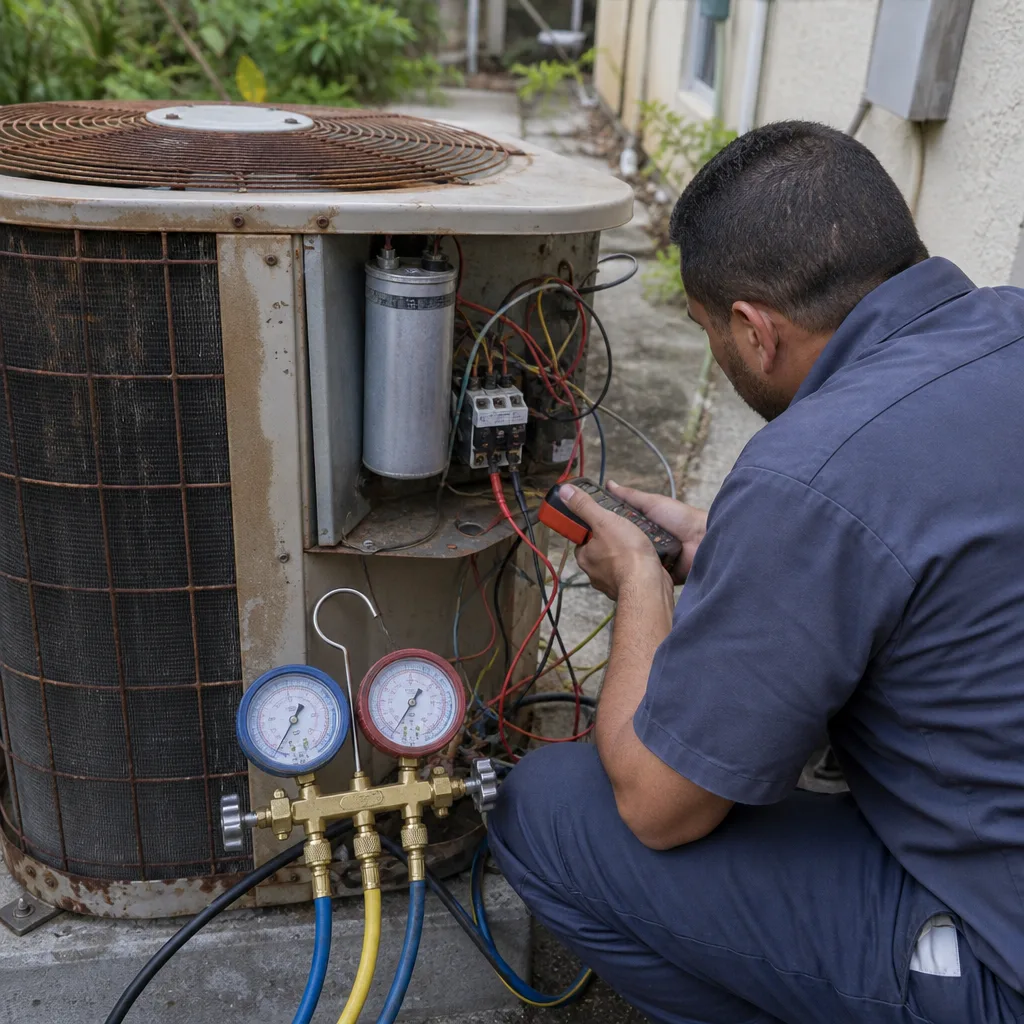 Before
 After
 Before
 After
 Before
 After