
Last updated November 15, 2026
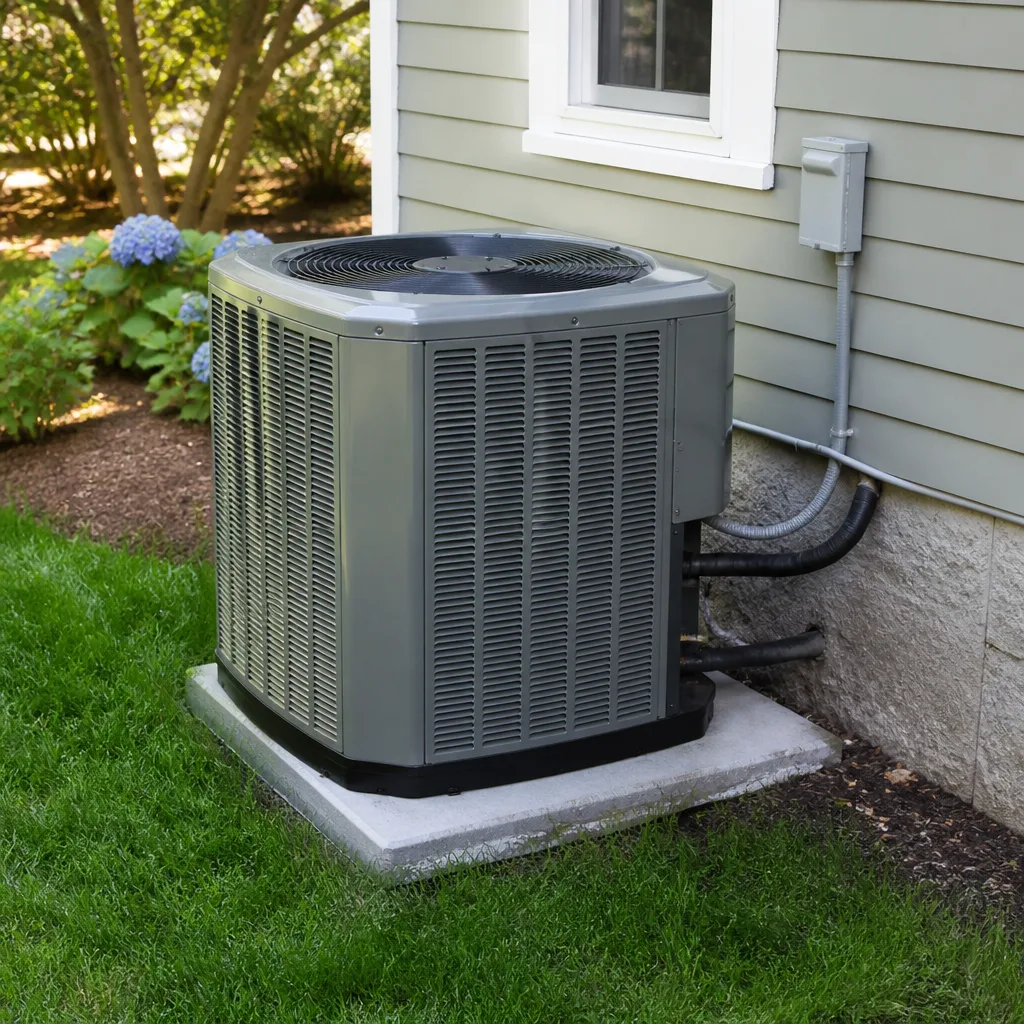 AC repair
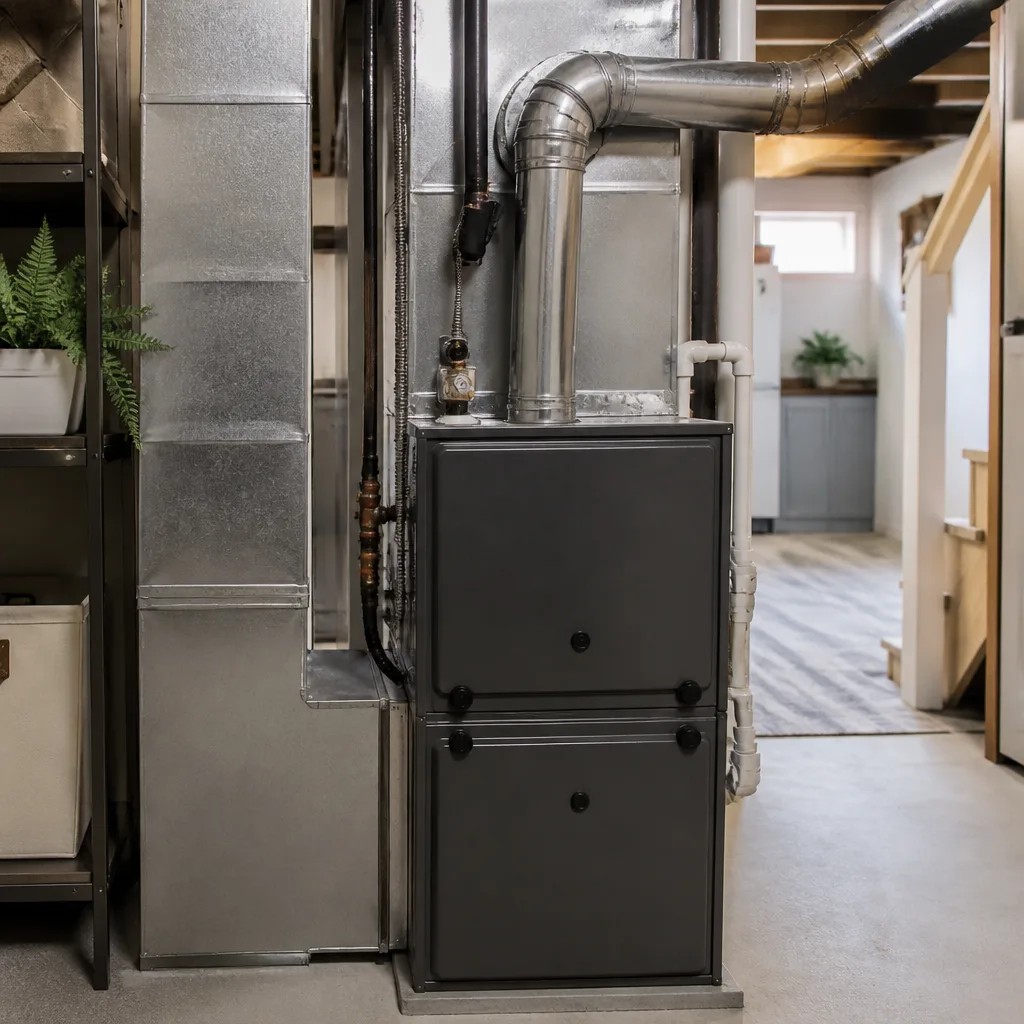 Furnace & heating
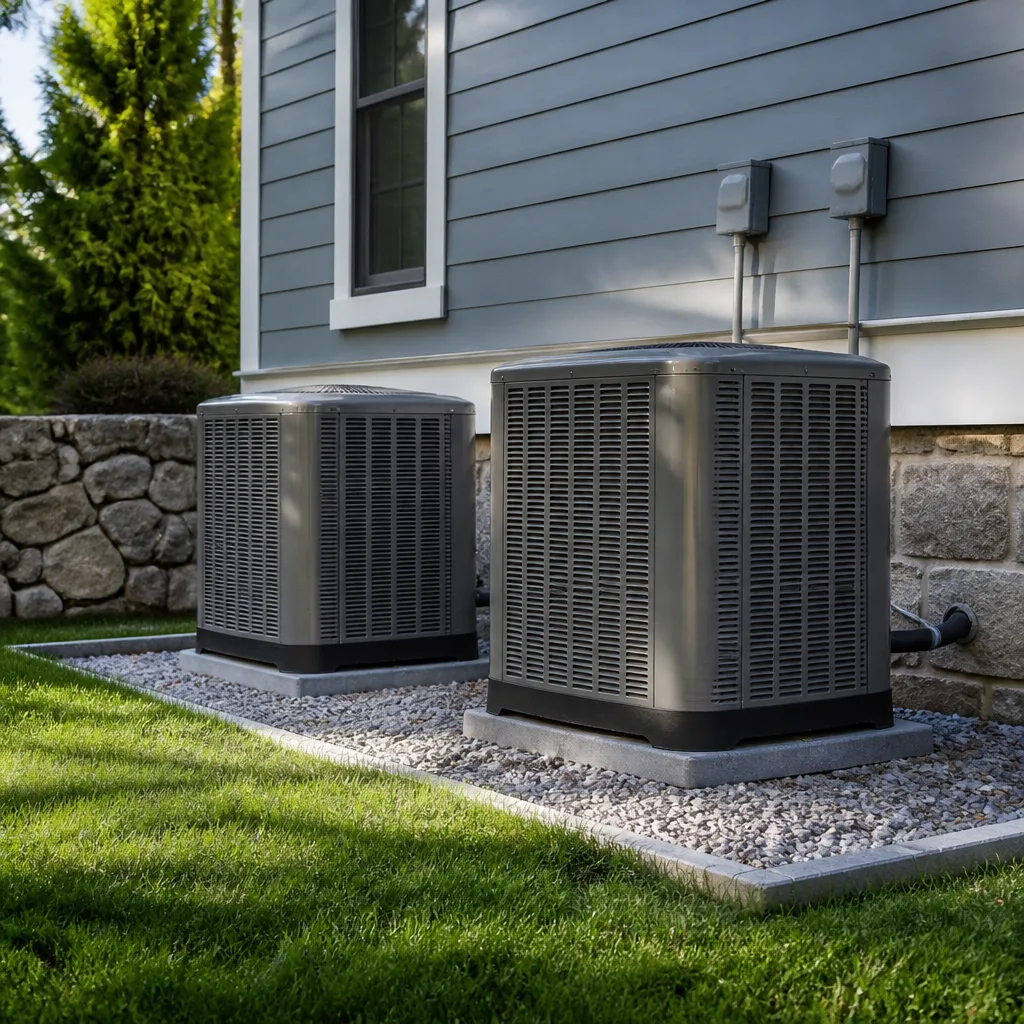 Heat pumps
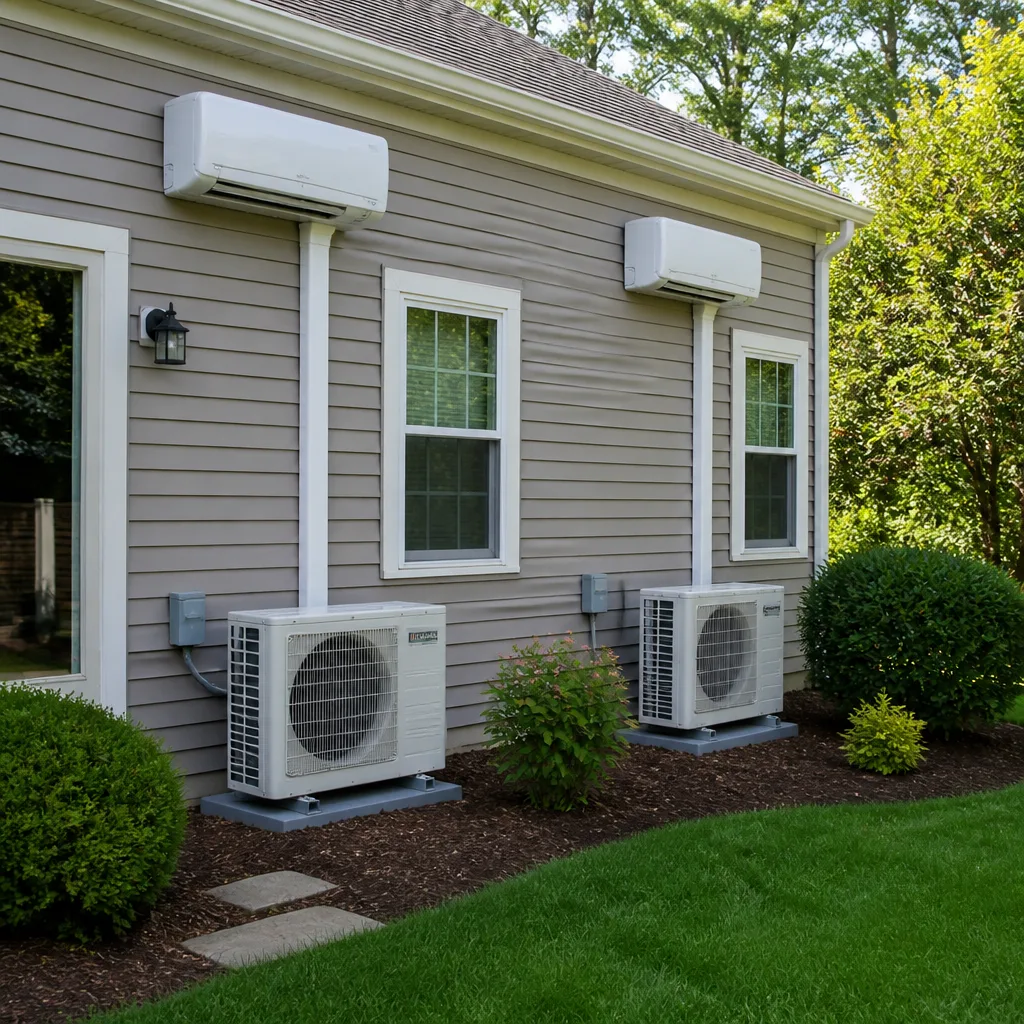 Ductless mini splits
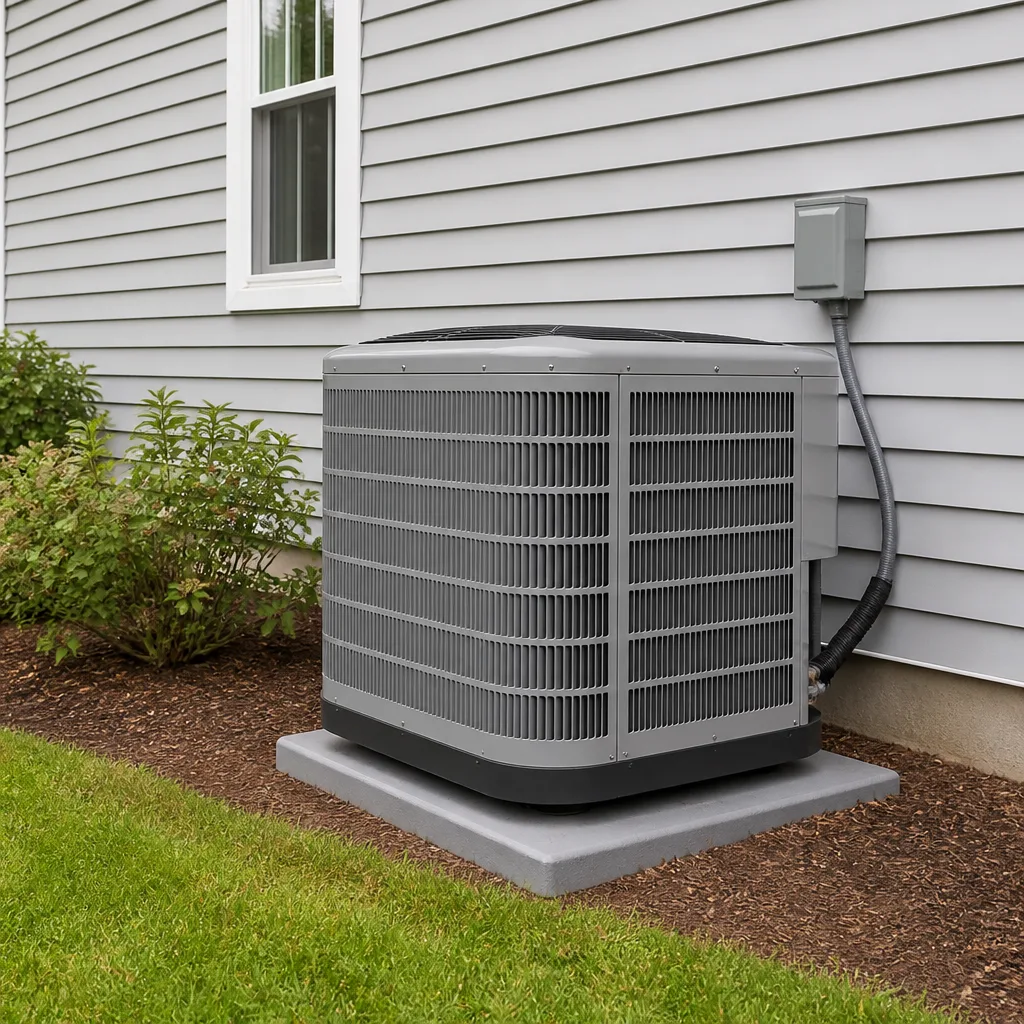 Carrier
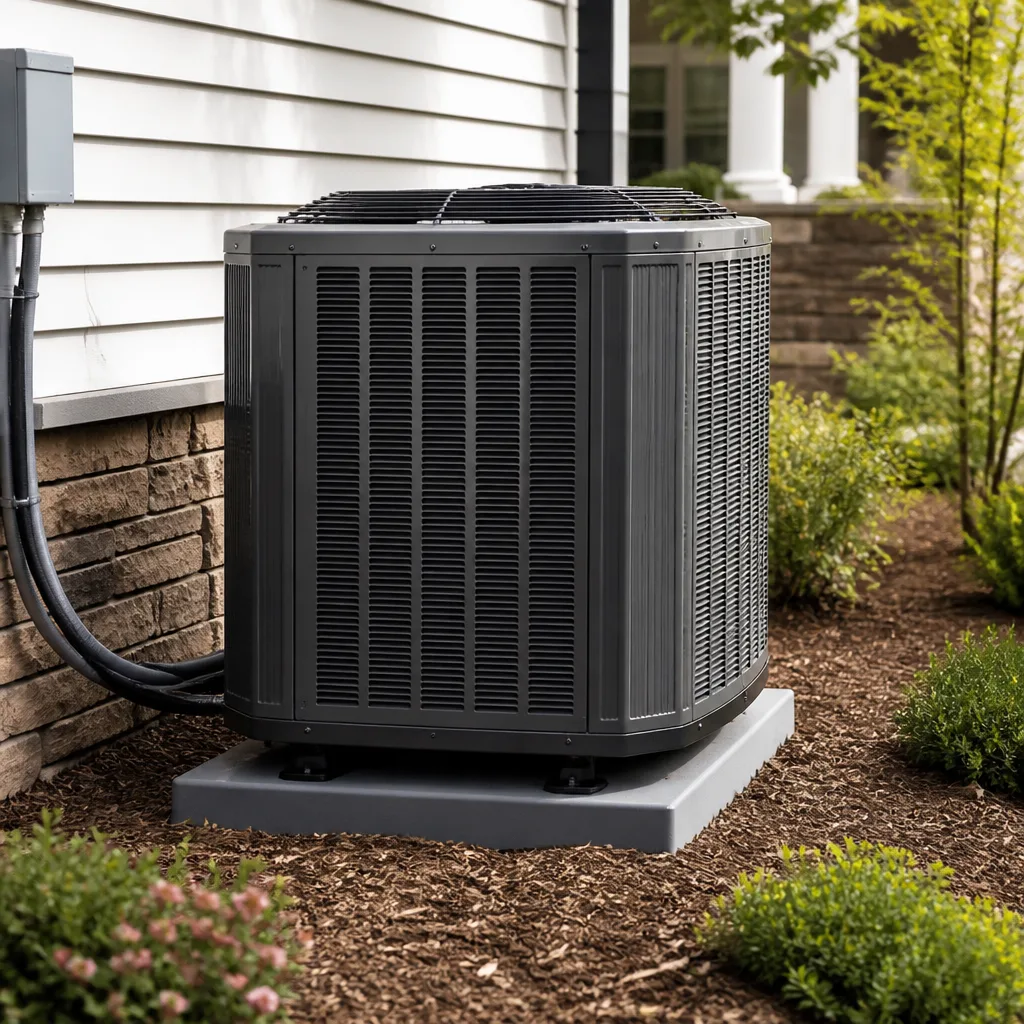 Trane
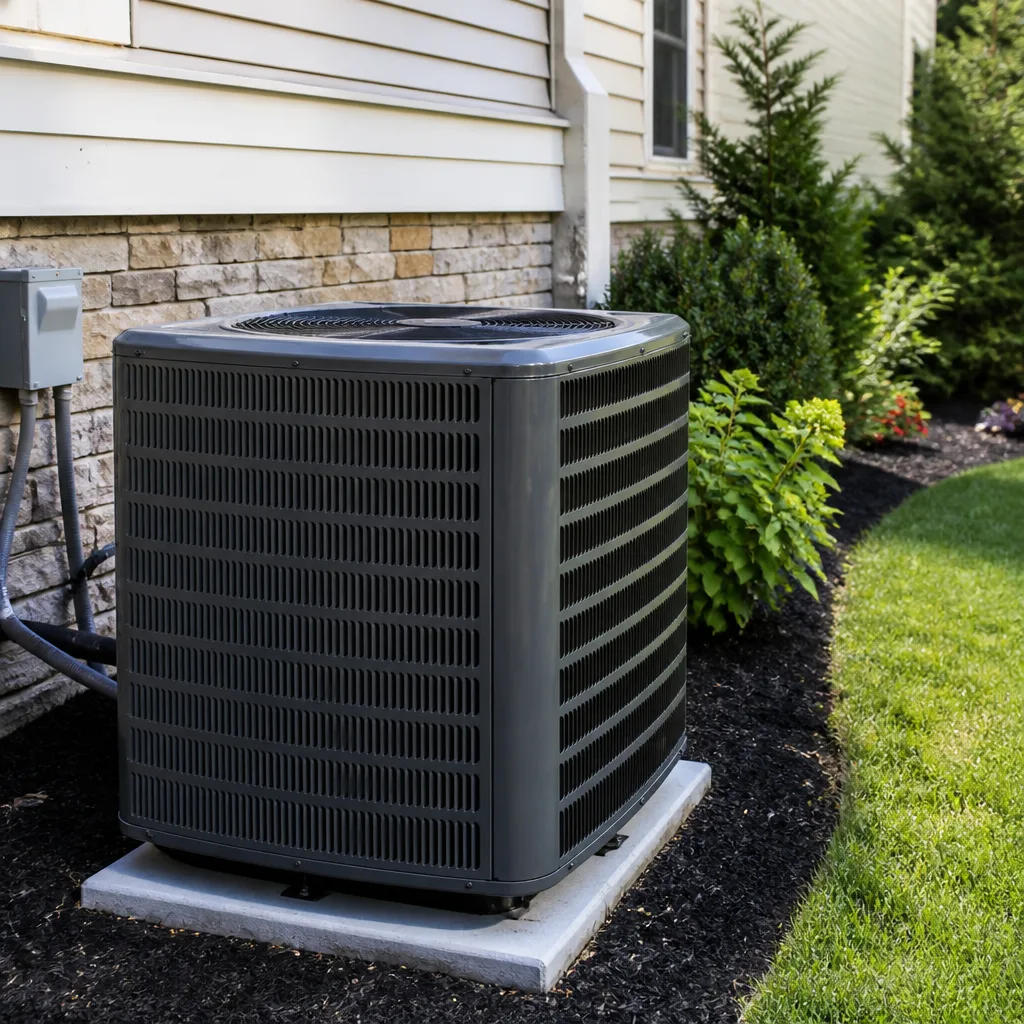 Goodman
Seasonal tune-up and full diagnostic on your Carrier, Trane, or Goodman system - readings shown to you before any repair is proposed
Diagnosis first, numbers second - you approve the repair price before a single part goes in.
Get your free estimateDIY vs Professional HVAC: The Pompano Beach Homeowner’s Decision Guide
Most homeowners treat the DIY-versus-professional question as a money decision: can I save a few hundred dollars by handling this myself? In Pompano Beach, it’s usually a legal and liability question instead. Florida draws a hard line around what an unlicensed homeowner may legally touch on their own air conditioning system, and several of the “DIY” jobs floating around online sit on the wrong side of that line. Others are perfectly legal but carry permit and insurance exposure that dwarfs any savings. This guide sorts the genuinely safe weekend tasks from the ones that put your wallet and your coverage at risk, so you can decide with clear facts instead of a sales pitch.
Quick Answer
In Pompano Beach, you can legally change your own air filter, flush the condensate drain, adjust your thermostat schedule, and clear vegetation around the outdoor unit. Anything involving refrigerant, electrical components inside the air handler, or a system replacement requires a licensed mechanical contractor under Florida law, and doing that work yourself voids manufacturer warranties and can jeopardize your homeowner’s insurance. The tasks with real DIY value are cheap, low-risk maintenance items; the tasks that look easy online are the ones that carry Federal and Florida legal exposure.
Styles & brands we work with
- AC repair
- Furnace & heating
- Heat pumps
- Ductless mini splits
- Carrier
- Trane
- Goodman
Table of Contents
- Where Florida Draws the Legal Line
- The DIY Tasks That Are Actually Worth Doing
- The Tasks That Look DIY But Aren’t
- How DIY Repairs Affect Your Broward County Insurance
- Why South Florida Climate Changes the Calculus
- Repair, Replace, or DIY: How to Think About Cost
- How to Be an Informed Participant in a Pro Repair
- How to Verify the Work Was Done Right
Where Florida Draws the Legal Line
Handling refrigerant without an EPA Section 608 certification is a federal violation. That’s not a Florida rule and it isn’t a contractor talking point invented to scare you away from a tutorial. Section 608 of the Clean Air Act makes it illegal for anyone who isn’t certified to buy, handle, or dispose of regulated refrigerants, and that applies to the homeowner watching a video in their driveway just as much as it applies to a licensed technician. If a repair requires the system to be opened up, evacuated, or charged, the legal path runs through a certified professional.
Florida adds its own layer on top. The state’s construction licensing law, Florida Statute 489, sets out when mechanical work requires a licensed contractor and a permit. For a Pompano Beach homeowner, the practical translation is this: routine homeowner maintenance is fine, but work that touches the sealed refrigerant circuit, the electrical panel feeding the unit, or the structural installation of new equipment is not something you can legally do yourself and expect to pass inspection or hold up in an insurance claim.
What You Can Legally Do
- Replace the air filter on the schedule the manufacturer recommends.
- Flush the condensate drain line with water or a mild rinse.
- Set and reprogram your thermostat.
- Trim plants and clear debris within a couple feet of the outdoor condenser.
- Vacuum visible dust from supply and return grilles.
What Requires a Licensed Mechanical Contractor
- Any work that adds, removes, or recovers refrigerant.
- Replacing a capacitor, contactor, blower motor, or control board inside the air handler or condenser.
- New system installation or a full replacement, which requires a permit and load calculation.
- Electrical work at the disconnect or the breaker feeding the unit.
- Modifying ductwork or moving a return.
When in doubt, call your city’s building department and ask a plain question: “Does this task require a permit and a licensed contractor?” That five-minute call settles more arguments than any forum thread. For work that crosses the line into professional territory, AC repair handled by a licensed technician is the only version that protects your warranty and your coverage.
The DIY Tasks That Are Actually Worth Doing
There are four maintenance habits that genuinely save money and genuinely belong to the homeowner. None of them require a license, a permit, or opening the sealed system. Each one, done on a schedule, extends the life of the equipment and prevents the most common service calls we see in Pompano Beach.
- Change the filter. Check it every 30 days during heavy cooling season and replace it when it’s visibly gray or matted. A clogged filter chokes airflow, drives up runtime, and can freeze the indoor coil.
- Flush the condensate drain. Pour a cup of water or a mild vinegar solution down the drain line every couple of months. In Pompano Beach’s humidity, the drain pan and line are the number one source of water damage from an HVAC system, and a slow drain is easy to catch early.
- Program the thermostat thoughtfully. A schedule that lets the house warm up when it’s empty and cools it down before you arrive saves real energy without forcing the system to play catch-up. Avoid extreme setbacks that force a long recovery run in the middle of the afternoon.
- Keep the outdoor unit clear. Trim plants back a couple of feet on all sides, and hose off visible debris from the fins with low pressure. A condenser that can’t breathe works harder and runs hotter.
That’s the honest list. Everything on it is cheap, reversible, and safe. If a video tells you a task is “easy” but it requires a screwdriver inside the electrical compartment or a set of gauges, it doesn’t belong on this list.
The Tasks That Look DIY But Aren’t
Three jobs come up again and again as “DIY-friendly,” and all three carry risk that’s hard to see until something goes wrong. Each one is worth understanding, not so you can attempt it, but so you can recognize when a professional is doing it correctly.
Capacitor Replacement
A failed capacitor is one of the most common reasons a system won’t start, and the part itself is inexpensive. The trap is the location. Capacitors sit next to high-voltage components inside the condenser, and they hold a charge even after the power is off. A technician discharges them safely before touching anything. A homeowner working from a video does not, and the risk isn’t theoretical. This is a job for someone trained to work around energized components. If your system won’t start, call for AC repair rather than opening the panel yourself.
Refrigerant “Top-Offs”
A system that’s low on refrigerant is leaking. Topping it off without finding the leak just buys time before the same failure returns, and the top-off itself requires EPA Section 608 certification to perform legally. A proper diagnosis traces where the charge is going, whether that’s a Schrader valve, a coil, or a line set joint. That takes gauges, leak detection, and a technician who can recover and recharge the system to spec.
DIY Coil Cleaning with the Wrong Chemicals
Coil cleaners are not interchangeable. Some are alkaline, some are acidic, some are designed for evaporator coils and some for condensers. Using the wrong one can pit the aluminum fins, degrade the coil, and leave residue that shortens the equipment’s life. Cleaning the coil isn’t dangerous in the way a capacitor is, but it’s a spot where cheap chemistry causes expensive damage. If the coil needs cleaning, ask the technician what product they’re using and why.
How DIY Repairs Affect Your Broward County Insurance
A standard Broward County homeowner’s policy is not written to reward unpermitted mechanical work. Most policies include language that excludes or limits coverage for damage caused by faulty workmanship, and many require that repairs be performed by a licensed professional to be covered at all. If a DIY refrigerant repair leads to a slow leak, or a DIY drain fix causes water to wick into a wall, the adjuster’s first question will be who did the work and whether it was permitted.
The exposure is real in a few specific ways:
- A water damage claim from an improperly connected condensate line may be denied if the work was self-performed and unpermitted.
- Unpermitted equipment changes can complicate a claim if the adjuster determines the installation doesn’t meet code.
- Manufacturer warranties on most equipment require professional installation and service for the warranty to remain valid.
- A future buyer’s inspector will flag unpermitted HVAC work during a home sale, and that becomes a negotiation point.
None of that means a homeowner should feel trapped into paying for every small service. It means the line matters more than people assume. A licensed contractor’s work is documented, permitted where required, and covered by the contractor’s own liability insurance, which is what your policy recognizes when it counts. Our technicians have up to 8 years of experience, and if you want a straight read on whether a repair is worth doing or whether it’s time for AC installation, we’ll tell you which one actually makes sense.
Why South Florida Climate Changes the Calculus
The same repair has a shorter safe window in Pompano Beach than it does in most of the country. A system that runs 10 or 11 months a year accumulates run hours fast, and the wear on a capacitor or a contactor comes sooner than a homeowner expects. The indoor coil, sitting in near-constant humidity, is also a favorite place for biological growth, which is why clean filters and a functional drain line matter more here than in a dry climate.
The heat itself adds a safety dimension. A system that fails in mid-summer isn’t just uncomfortable. In a house with children, older adults, or anyone with a health condition, an indoor temperature climbing into the high 80s is a genuine health risk, and the time to fix it is before that happens. That’s why same-day repair matters here and why a small electrical issue is worth addressing on the first service call rather than the fourth. We answer 24/7. Fast dispatch from 7am to 7pm, Sunday through Friday.
The outdoor unit also takes a beating that isn’t obvious. Vegetation grows faster here, debris accumulates faster, and the fins on a condenser can be packed with pollen and grit within a season. Keeping that clearance is one of the small maintenance habits that actually protects the equipment.
Repair, Replace, or DIY: How to Think About Cost
The right question isn’t “what does this repair cost” but “what does this repair cost relative to the remaining life of the system.” A 15-year-old unit needing a compressor is a different decision than a 6-year-old unit needing a capacitor. Here’s how the three paths tend to break down, and where DIY actually earns its place.
| Path | Best for | What it costs in effort or money | Coverage and warranty |
|---|---|---|---|
| DIY maintenance | Filters, drain flush, thermostat, coil clearance | Low material cost, routine time | No coverage impact; helps warranty stay valid |
| Professional repair | Electrical failure, refrigerant leak, blower, coil | Per-job estimate from a licensed technician | Warranty preserved; contractor liability applies |
| Professional replacement | Age-related failure, repeated repairs, efficiency gap | Load-calculated, permitted, scheduled install | Manufacturer warranty runs properly from install |
If the repair costs a fraction of a replacement and the system has years of service left, repair almost always wins, and we’ll say so. If the system is failing repeatedly, or the balance is running past what makes economic sense, replacement deserves a real conversation. What we won’t do is push a replacement on an old unit that only needs a part. Our recommendations come from the equipment in front of us, not from a brand quota, and we service nine of the industry’s major brands – Carrier, Trane, Lennox, Goodman, and five others – so we’re working on the system you already own. For an honest read on a system in Pompano Beach, call (844) 952-3433 for a free estimate.
How to Be an Informed Participant in a Pro Repair
You don’t need to do the work to be an informed customer. The homeowners who get the best outcomes are the ones who understand what’s happening on the service call well enough to ask the right questions and recognize when something doesn’t add up. Here’s how to be that homeowner.
- Ask what the technician is diagnosing, not just what needs replacing. A good answer explains the symptom, the test, and the finding in plain language. If you can’t follow the reasoning, ask again.
- Ask whether the part is under warranty. Many capacitors, compressors, and coils carry manufacturer warranties that reduce your cost. A technician should check this before quoting.
- Ask whether a repair is worth doing or whether replacement makes more sense. The right answer weighs the system’s age and condition, not just this job.
- Ask for the written estimate before work begins. The written estimate sets the final price, so there shouldn’t be surprises after the job.
- Ask how the technician will verify the repair. A proper repair gets confirmed with a temperature split, a pressure reading, or an amp draw, not just a “that should do it.”
A technician who welcomes those questions is one worth keeping. A technician who brushes them off is telling you something. “We show up, we fix it, we stand behind it” is the standard the name Valor is built on, and a customer who asks good questions makes that standard easier to hold.
How to Verify the Work Was Done Right
You don’t need gauges to check most repairs. A few simple observations after a service call tell you whether the system is running correctly and whether the technician finished the job properly.
- Check the air temperature at a supply register. After 15-20 minutes of runtime, the air should feel noticeably colder than room temperature. If it’s moving but not cool, the repair isn’t complete.
- Listen at the outdoor unit. You should hear the compressor and the fan running smoothly, without the click-and-hum cycle of a failing capacitor or contactor.
- Look at the condensate drain. Water should be flowing freely. A drip or a puddle after a repair means the drain wasn’t finished.
- Ask for the part or packaging. If a component was replaced, a technician will hand over the old one on request, which also confirms the part was actually new.
- Look for a written record. A completed repair should come with documentation of the work, the parts, and the warranty status.
If any of those checks fail, call the company back before the day is out. A name-backed repair means the work gets revisited at no additional charge if the failure returns. That’s the difference between a repair and a guess.
Common Mistakes to Avoid
- Topping off refrigerant yourself. It’s a federal violation without EPA Section 608 certification, and it hides the underlying leak instead of fixing it. A system low on charge has a problem that needs diagnosis.
- Replacing a capacitor without discharging it first. The part is cheap, but the components around it hold a charge that can hurt you. Leave the electrical compartment closed and call for AC repair.
- Cleaning the coil with whatever cleaner is on hand. The wrong chemistry pits aluminum fins. Ask what’s being applied and why before anyone sprays the coil.
- Skipping the condensate drain because it’s “just water.” In Pompano Beach, a clogged drain is the most common source of HVAC-related water damage. It’s a 5-minute maintenance task that prevents a much bigger one.
- Running the system on a clogged filter through a hot summer. Restricted airflow can freeze the indoor coil and turn a small maintenance problem into a service call. Replace the filter on schedule.
- Assuming unpermitted work is fine because it’s “small.” Broward County insurance claims and future home inspections both care about whether HVAC work was permitted. A small shortcut can become a big negotiation later.
- Letting an unlicensed “technician” open the system to save money. A repair without licensing or insurance puts the liability on you if something goes wrong. Verify the license before anyone touches the equipment.
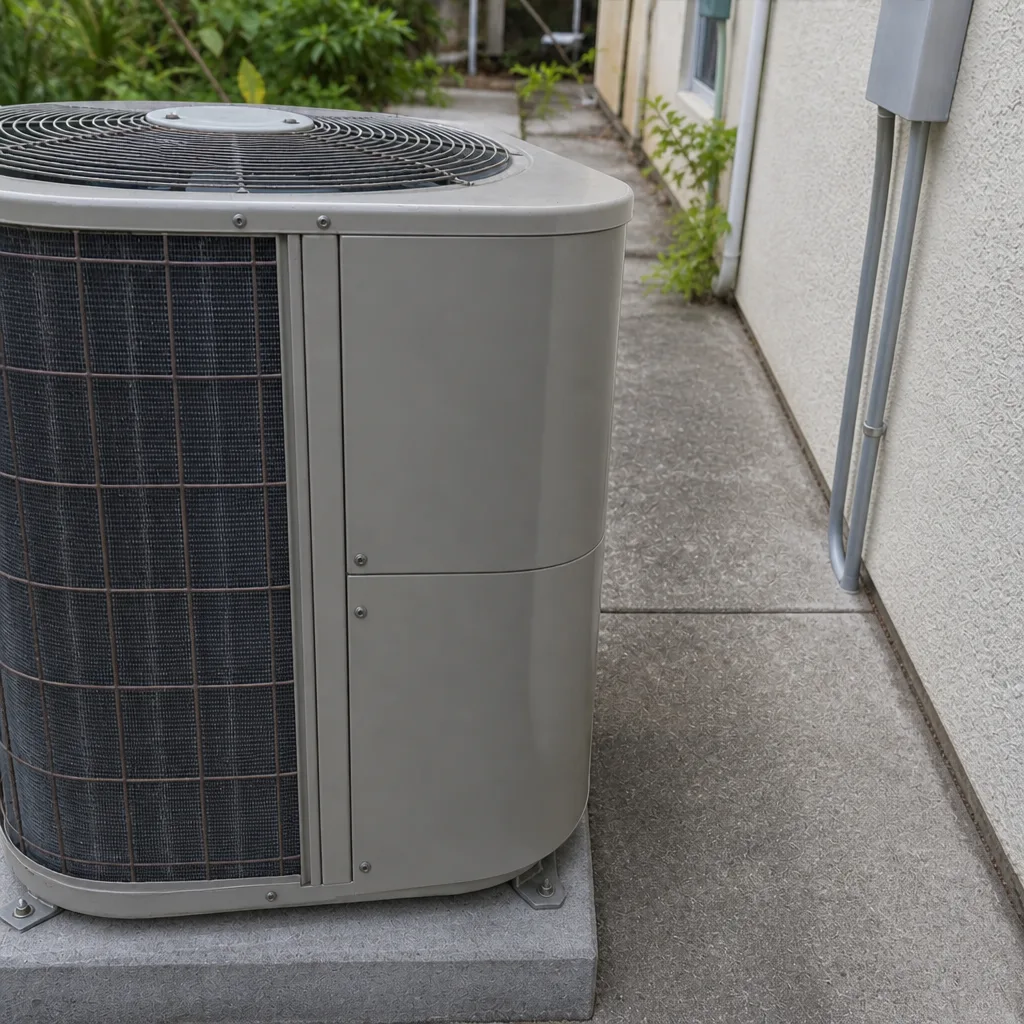
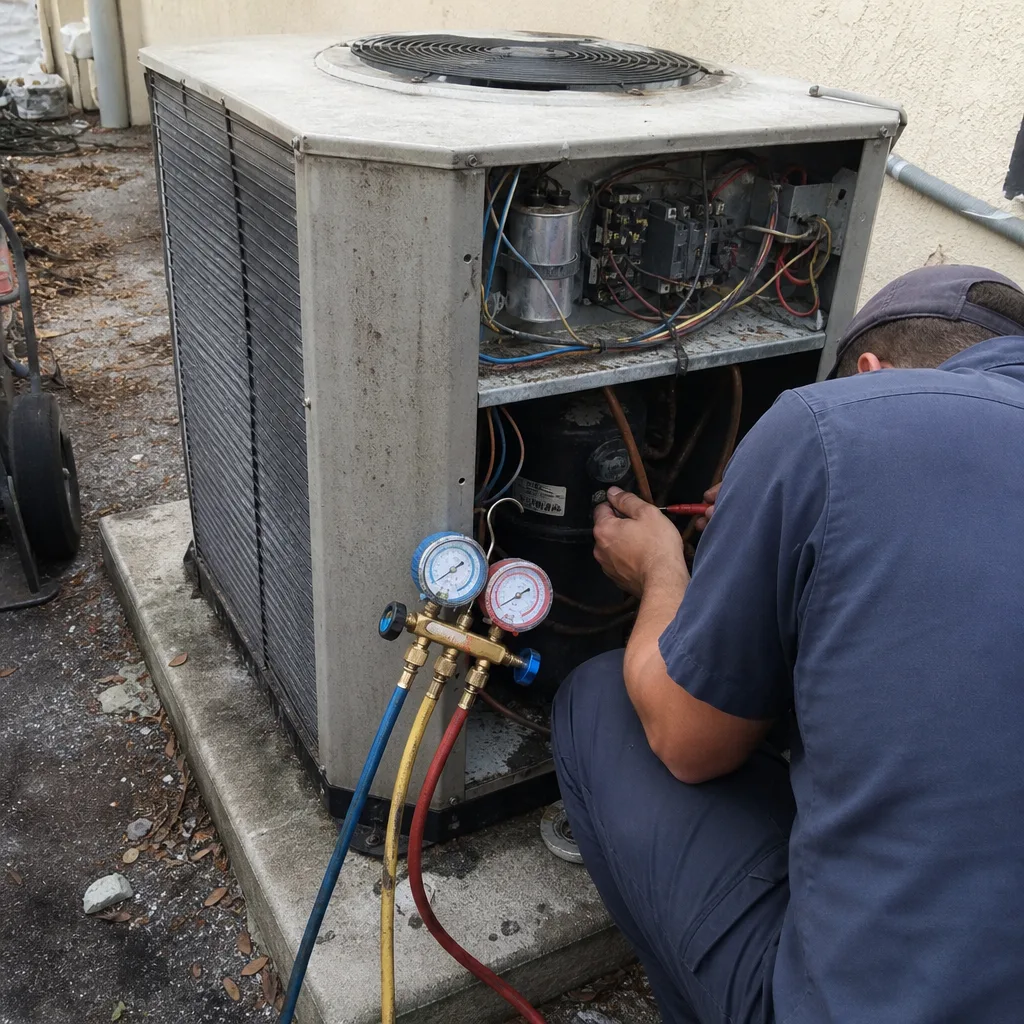
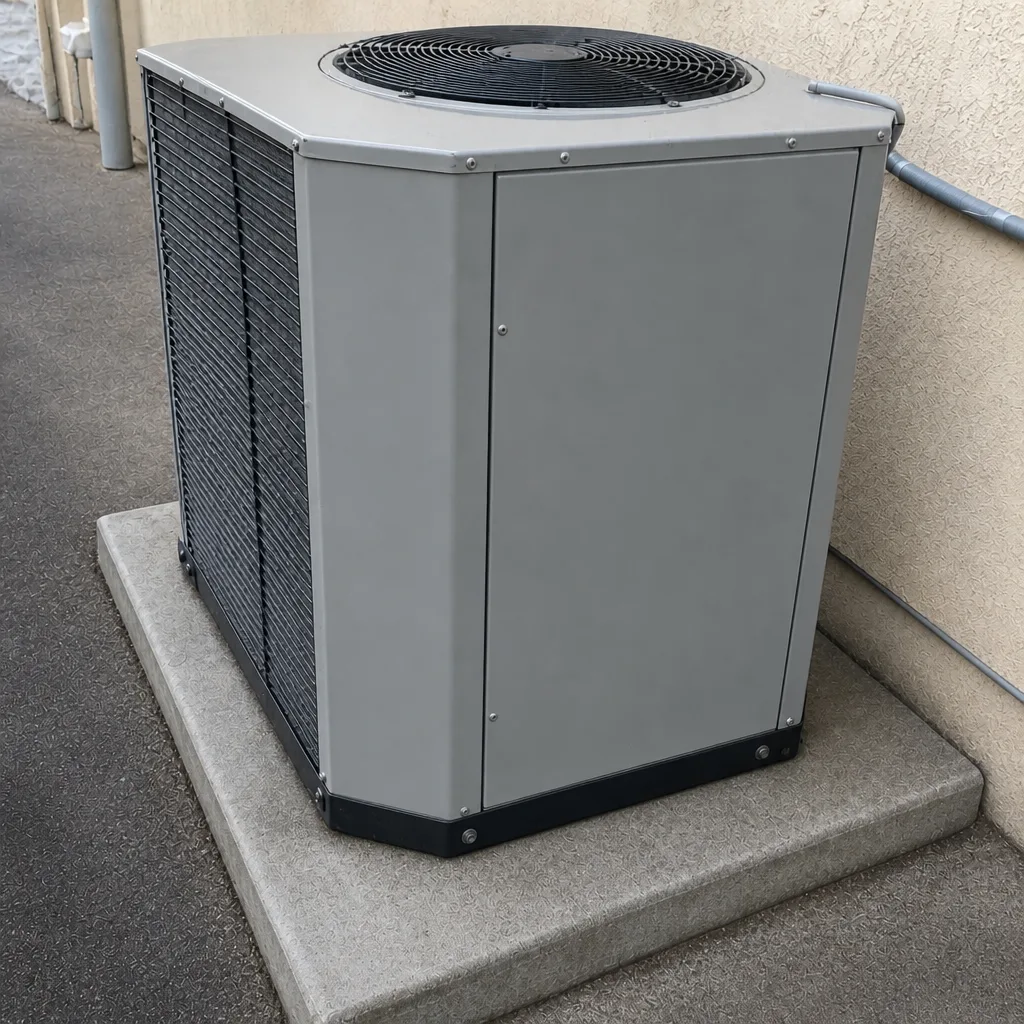
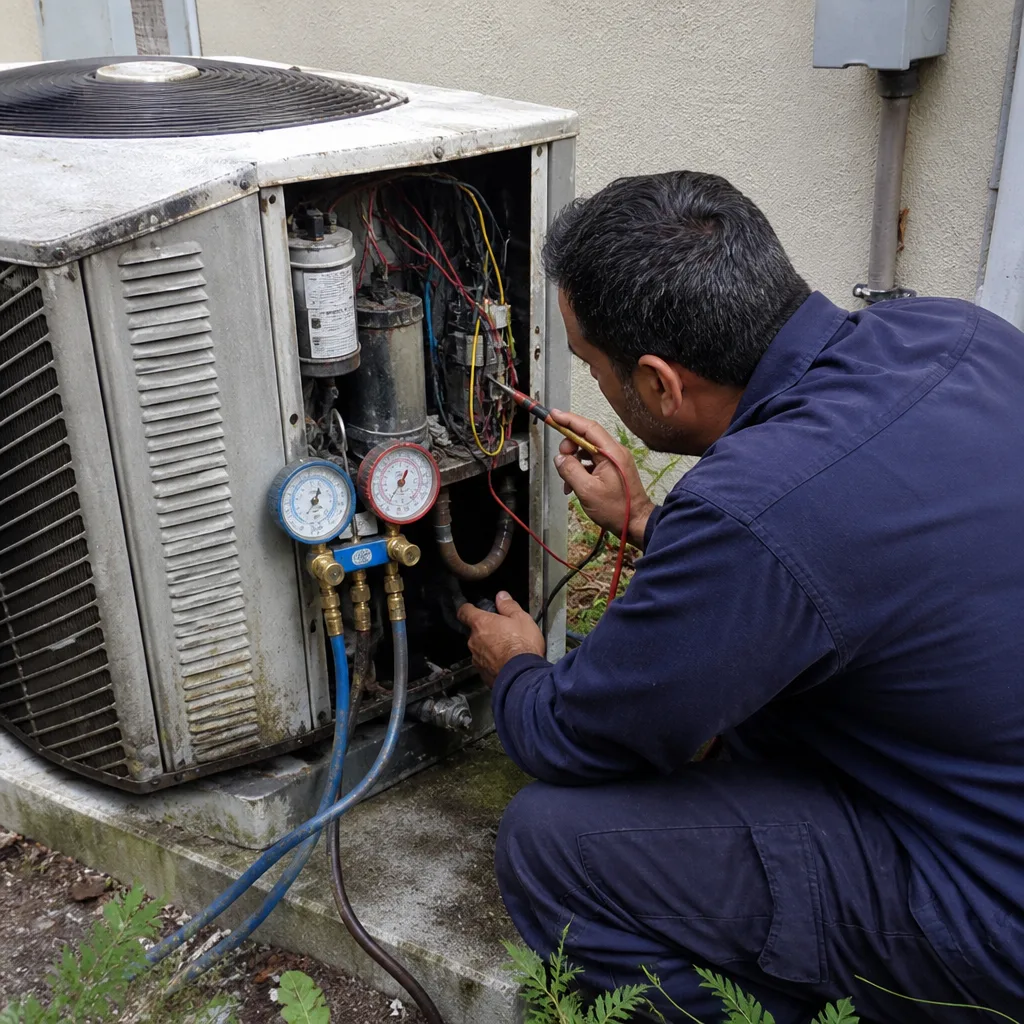
See the difference
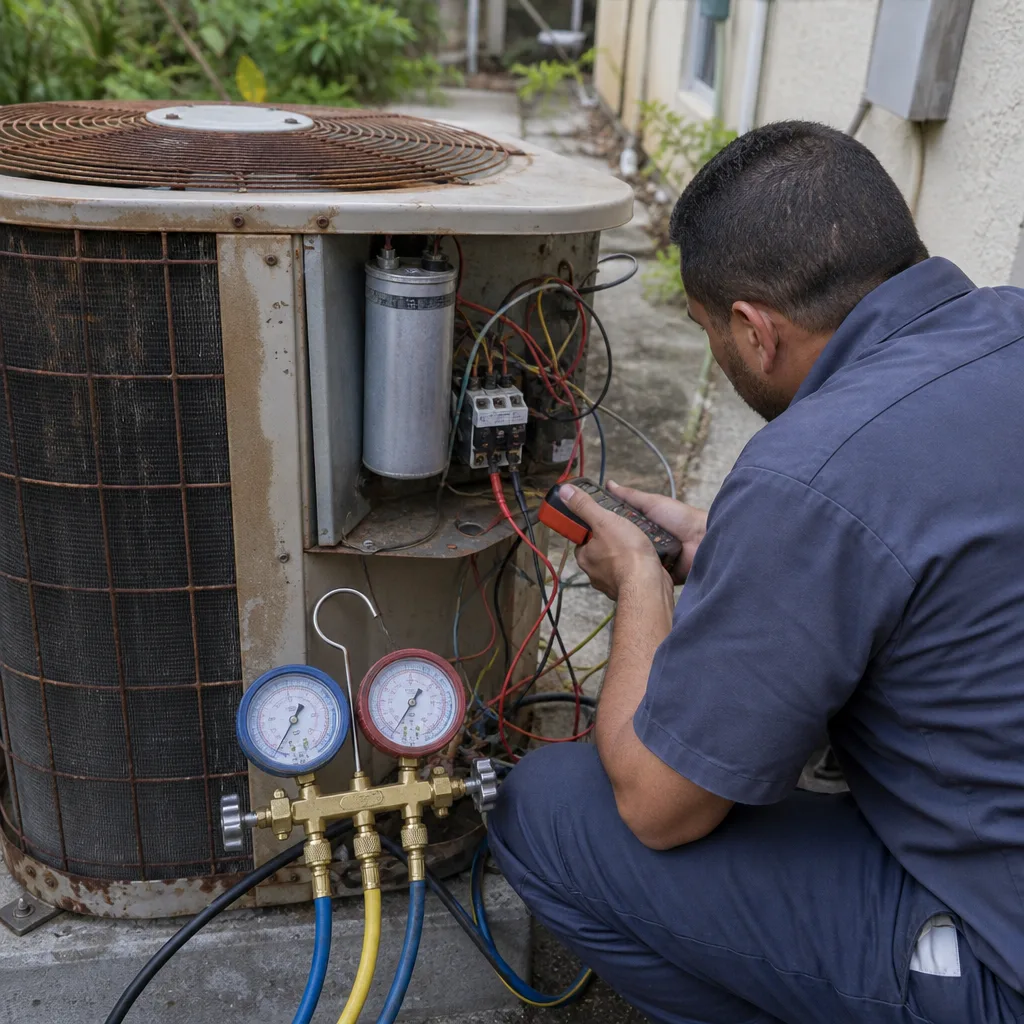 Before
 After
 Before
 After
 Before
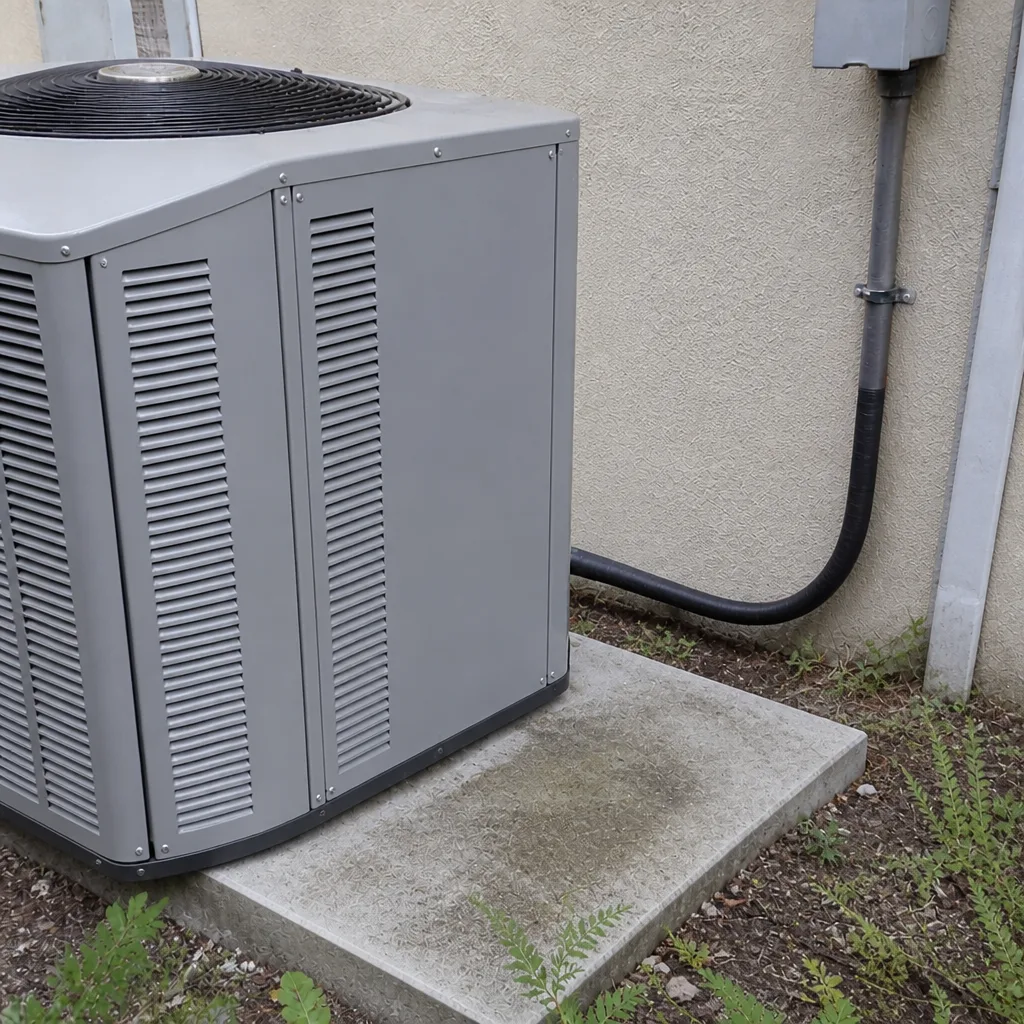 After
When to Call a Professional
Call for professional service when the problem involves the sealed refrigerant circuit, the electrical components inside the air handler or condenser, a condensate leak that’s already reaching drywall, or a system that keeps tripping a breaker. Call when your system is running but not cooling, when the outdoor unit hums without starting, or when you smell something burning near the disconnect. Call when a repair has been attempted once and failed again – the second attempt is worth a technician’s diagnosis, not a second try. Call before you buy a new system, so a load calculation and a permit are part of the plan. And call when you’re not sure whether the task is legal for a homeowner, because the consequences of getting that wrong are borne by you, not by the tutorial. Valor AC Repair offers free estimates in Pompano Beach – call (844) 952-3433.
Frequently Asked Questions
You can legally perform routine maintenance on your own system in Florida, but you cannot legally handle refrigerant without EPA Section 608 certification, and most installation or mechanical work requires a licensed contractor and a permit under Florida law. Filter changes, condensate drain flushing, thermostat programming, and outdoor unit clearance are all homeowner tasks. Anything involving the sealed refrigerant circuit, the electrical panel, or new equipment installation is not. Call (844) 952-3433 for an exact quote – estimates are free.
Refrigerant handling and unpermitted work are the two biggest risks, because both sit on the wrong side of Federal or Florida law and both can compromise your homeowner’s insurance. Water damage from an improperly handled condensate drain is the most common real-world outcome we see, because the drain line is where South Florida humidity does the most damage. Call (844) 952-3433 for a diagnosis before the problem spreads.
No. A capacitor is inexpensive, but it sits next to high-voltage components inside the condenser and can hold a charge even after the power is off. The training required to replace one safely isn’t something a video provides. If your system won’t start, call (844) 952-3433 for AC repair – a licensed technician can confirm the diagnosis and replace the part safely.
Most manufacturer warranties require professional installation and service, so a DIY repair or an unpermitted installation can void coverage on the affected part or the entire system. That’s a separate concern from your homeowner’s policy, which may exclude damage caused by faulty workmanship. The safest path for any repair that affects the equipment’s sealed system or electrical components is a licensed technician. Call (844) 952-3433 for a free estimate.
Check your filter every 30 days during heavy cooling season, and replace it whenever it’s visibly gray or matted. A system that runs 10 or 11 months a year here accumulates run hours faster than in most of the country, so the filter clogs faster too. A clogged filter restricts airflow and can freeze the indoor coil. If you’re seeing poor airflow after a fresh filter, call (844) 952-3433 – there may be a bigger issue.
The decision comes down to the repair cost relative to the remaining life of the system: a repair that costs a fraction of a replacement is usually the right call on a system with years of service left, and a repeated failure on an older unit deserves a replacement conversation. A licensed technician should give you both options and explain the reasoning. We service nine major brands – Carrier, Trane, Lennox, Goodman, and five others – so we work on the system you already own. Call (844) 952-3433 for an honest read.
The Bottom Line
The DIY-versus-professional question in Pompano Beach is mostly a legal and liability question, not a money question. Filter changes, condensate drain flushing, thermostat programming, and outdoor unit clearance are all worth doing yourself and genuinely extend the life of your system. Everything involving refrigerant, electrical components inside the unit, or new equipment installation belongs to a licensed contractor under Florida law, and the insurance and warranty consequences of crossing that line are far bigger than any savings. If you understand which side of the line you’re on and ask the right questions when a technician does the work, you’ll get better outcomes and a system that lasts longer. When a repair crosses the line, call (844) 952-3433 for a free estimate. We answer 24/7, with fast dispatch from 7am to 7pm, Sunday through Friday.
Written by the team at Valor AC Repair.